






















Moldova Convicts Three for Attending Bosnian, Serbian Subversion Camps

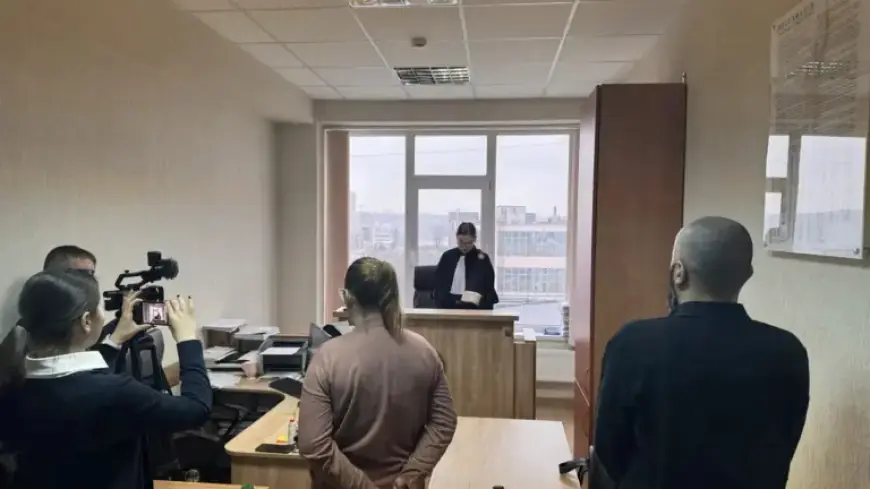
The Municipal Court in Chisinau, Moldova, recently delivered a significant ruling regarding subversion training linked to Russia. Three individuals, Aliona Gotco, Ludmila Costenco, and Vladimir Harcevnicov, were convicted for their roles in attending training camps aimed at undermining Moldova’s pro-European Union stance.
Moldova’s Subversion Training Verdict
The court held its session on a Friday in October 2024. Gotco received a sentence of four years and one month in prison. Costenco was sentenced to four years, while Harcevnicov faced the longest term of five years and four months. The court cleared the way for an appeal within 15 days but noted that none of the defendants were present during the verdict. Arrest warrants have since been issued for all three individuals.
Background to the Conviction
This case emerged after the Information and Security Service (SIS) of Moldova uncovered training programs conducted in Bosnia and Herzegovina and Serbia. In September 2024, intelligence indicated that Moldovan citizens were being trained by Russian instructors. The primary objective appeared to be creating unrest during the 2024 presidential elections and a concurrent referendum on EU accession.
Details of the Training Camps
- The camp where training occurred is located north of Banja Luka, in the village of Glamocani.
- Participants were reportedly transported from Serbia without being fully briefed on the camp’s purpose.
- Training included drone operation, with drones equipped for dropping smoke devices and shock bombs.
A Russian instructor named Viktor allegedly led the drone training, although his full identity remains unknown. Moldovan intelligence further suggested that Russian mercenaries associated with the Wagner Group aided in the training of these Moldovan citizens.
Reactions and Ongoing Investigations
Despite strong evidence and some confessions, political leaders from Republika Srpska, a Serb-led entity in Bosnia, have denied the existence of such camps. The Russian embassy in Sarajevo supports these denials. An investigation into the activities at these camps is still active within the Prosecutor’s Office in Sarajevo.
In a separate development in September 2025, Serbian authorities arrested two individuals suspected of organizing training for Moldovans and Romanians in disruptive tactics. This initiative allegedly aimed to interfere with Moldova’s parliamentary elections. Reports indicated that over 150 trainees were present at a camp in western Serbia. Serbian President Aleksandar Vucic revealed that three Russian citizens were identified at the camp, though he refrained from asserting direct involvement from a Russian intelligence service.
Conclusion
As Moldova continues to navigate its relationship with the EU amidst Russian influence, the outcomes of these legal proceedings and ongoing investigations hold significant implications for regional stability. Filmogaz.com will continue to monitor developments as they unfold.