

























Canadian Beer Cans Face Challenges as Tariffs Near One-Year Milestone

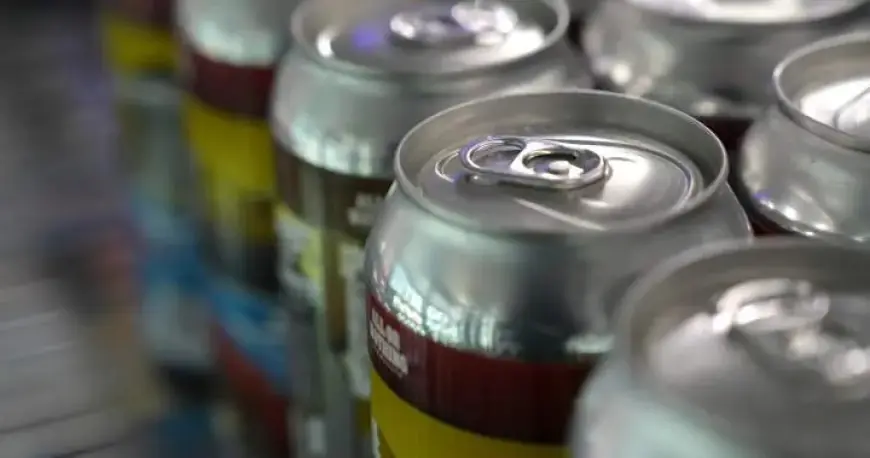
As Canadian breweries aim for local sourcing, they continue to face significant challenges, notably regarding the aluminum cans that are essential for packaging their products. A recent collaboration by Dominion City Brewing in Ottawa showcases this struggle. They sought to create a beer using “100 percent Canadian ingredients” but found themselves needing to import their cans from the United States.
Current State of Canadian Beer Can Production
Josh McJannet, co-founder of Dominion City Brewing, highlighted the difficulty of finding Canadian-made aluminum cans. He noted that the widely used 473-milliliter tall cans are not available locally. “It’s nearly impossible to find certain types of aluminum beer cans made here at home,” McJannet stated.
Impact of U.S. Tariffs
The situation is exacerbated by U.S. tariffs on aluminum and steel, which are approaching their one-year milestone. These tariffs, initially set at 25 percent, rose to 50 percent before coming into effect on March 13, 2025. McJannet reported that the cost of obtaining a single can has increased significantly from around 15 cents to 35 cents.
- Aluminum can costs have surged due to tariffs.
- Many breweries report over 60 percent increases in aluminum prices.
- Approximately 80 percent of Canada’s beer is packaged in aluminum cans.
The Need for Domestic Production
Richard Alexander, president of Beer Canada, explained that while most goods are exempt from these tariffs, aluminum is not. This lack of local can production stems from the complexities of the supply chain. Aluminum is often smelted in Canada, processed in the U.S., and then returned to Canada for can manufacturing. This multi-border process adds to the costs faced by breweries.
Challenges in Establishing a Local Supply Chain
Despite the desire for a domestic supply chain for beer cans, establishing such a production facility in Canada poses financial challenges. The manufacturing process for can sheets requires substantial investment, and limited domestic demand complicates economic feasibility.
Looking Toward the Future
McJannet expressed hope for a more stable trade environment as negotiations resume regarding the Canada-U.S.-Mexico Agreement (CUSMA). However, the beer industry remains cautious and anticipates ongoing difficulties. “We can’t expect things to snap back into place,” McJannet said.
The future of Canadian breweries hinges on addressing these tariff-related challenges, while consumers may ultimately experience higher beer prices as a result of ongoing supply chain issues, particularly concerning aluminum can availability.