























Mark McMorris withdraws from Olympic big air after hard crash, targets slopestyle return

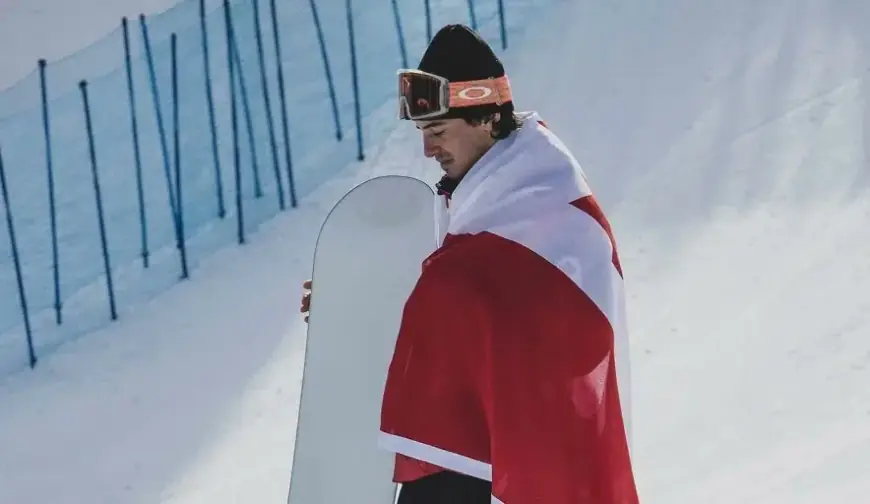
Canadian snowboard star Mark McMorris is out of the men’s big air event at Milano Cortina 2026 after a heavy training crash left him with a head injury and a precautionary hospital visit. The three-time Olympic bronze medalist said he’s shifting his focus to slopestyle later in the Games, setting up an anxious wait for medical clearance in the sport’s most high-risk, high-speed venues.
The incident happened in Livigno during big air training, a setting where riders push oversized jumps at full commitment. McMorris was taken off the hill on a stretcher for evaluation, then released from the hospital the next day. Team officials framed the big air withdrawal as a precaution aimed at giving him the best chance to be fully healthy for slopestyle.
What happened in the crash and the immediate update
McMorris described the injury as a hit to the head and said he would not be able to compete in big air qualifying. Team medical staff evaluated him after the fall, and he was transported to a hospital out of caution. By Thursday morning, he was out of the hospital, and the tone of the public update suggested optimism—tempered by the reality that head injuries are treated conservatively, especially in a sport where a second impact can be dangerous.
The key point for fans: this is not framed as a season-ending announcement. It is a “pause and reassess” moment, with the next decision tied to symptom progression and medical protocols.
What’s confirmed about his Olympic schedule now
Big air is off the table. Slopestyle remains the target.
| Event | Status | Dates (ET) | Venue |
|---|---|---|---|
| Men’s snowboard big air | Withdrawn | Feb. 5, 2026 qualifying | Livigno |
| Men’s snowboard slopestyle | Aiming to compete | Begins Feb. 16, 2026 | Livigno |
Slopestyle is McMorris’ signature Olympic event: he won bronze in it at Sochi 2014, PyeongChang 2018, and Beijing 2022. That history is why the plan is to protect slopestyle rather than gamble on a rushed big air appearance.
Why a head injury changes everything
In snowboarding, “feeling okay” is not the same as being cleared. Concussion-style symptoms can develop later, and medical teams typically prioritize rest, observation, and gradual return-to-activity steps before allowing high-impact training.
That caution matters even more in big air and slopestyle, where falls can be violent and where riders often rotate multiple times at high speed. If a rider is even slightly off—timing, vision, balance, reaction speed—the risk profile spikes.
For McMorris, the practical question isn’t only whether he can ride; it’s whether he can land consistently at full difficulty without a lapse that leads to another slam.
The bigger context: McMorris’ long injury history
McMorris has built a reputation for resilience, returning from serious injuries that would end many athletes’ careers. The most notorious was a 2017 backcountry crash that caused life-threatening trauma, including multiple fractures and internal injuries. He has also dealt with a string of impacts over the years that left him with hardware from prior repairs.
That background cuts two ways. It’s part of why fans believe he can come back quickly. It’s also why teams treat head injuries with extra care: accumulated trauma makes cautious decisions feel non-negotiable, even for an athlete known for pushing through pain.
How to watch in Canada and follow updates from anywhere
For Canadian viewers searching “CBC Gem Olympics,” the easiest approach is to use the national rights-holder’s TV coverage and its companion streaming service, which carry the live event feeds and offer replays. If you’re traveling, the simplest path is usually to use the official rights-holder in the country you’re physically in, since streaming access often changes across borders.
To follow responsibly without getting whiplash from rumors:
-
Look for medical/status updates tied to the team’s official communications.
-
Treat “spotted riding” clips cautiously unless there’s confirmation he’s cleared for full training.
-
Watch for slopestyle practice participation in the days leading into Feb. 16, which is often the clearest signal of readiness.
What to watch next in Livigno
The next few days are about controlled progression. If McMorris returns to snow, expect limited sessions first—testing balance, speed, and comfort before any high-consequence tricks. The key indicator will be whether he can build back to full slopestyle difficulty without symptoms returning.
If he’s cleared and competes, the storyline becomes classic McMorris: a rider with a long history of comebacks trying to add something missing from his Olympic résumé. If he’s not cleared, Canada loses a premier medal threat—and the men’s slopestyle field opens up dramatically.
Sources consulted: Reuters; Associated Press; CBC; NBC Olympics