
























Jeff Bezos’ Motive for Destroying The Washington Post Remains a Mystery

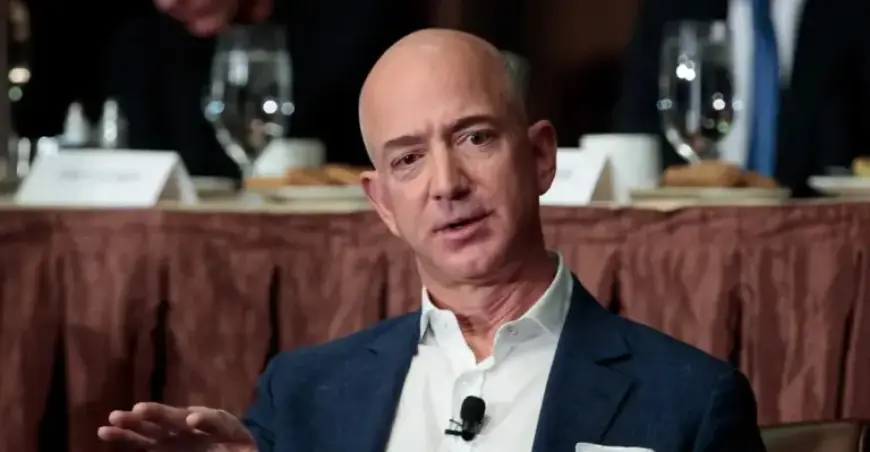
The Washington Post has undergone significant changes under the ownership of Jeff Bezos. Since he bought the newspaper in 2013, it has faced turmoil, including the recent loss of over 300 jobs. Subscription cancellations have soared, with more than 300,000 readers opting out.
Bezos and The Washington Post
Jeff Bezos, the founder of Amazon, has been criticized for his management of The Washington Post. His approach appears to contradict the newspaper’s 150-year history of holding political figures accountable. This raises questions about his motives for owning such a renowned publication.
Content Strategy and Financial Implications
Recent actions by Bezos have drawn ire from both readers and employees. For instance, Amazon MGM Studios invested $40 million in a documentary that portrays Melania Trump in a favorable light, coinciding with the timing of mass layoffs at The Post.
- Over 300 journalists have lost their jobs.
- Subscription cancellations exceed 300,000.
- The Post is known for its history of journalistic integrity.
Although some suggest that these layoffs were necessary due to financial losses, critics argue that Bezos has other options. Billionaires often have avenues to mitigate losses without resorting to mass job cuts. For instance, the Philadelphia Inquirer was donated to a nonprofit, allowing it to continue operating without layoffs.
Trump’s Influence and Media Dynamics
The complex relationship between Bezos and Donald Trump further complicates this situation. While many in business have benefited from favorable ties to Trump, the media landscape shows that such relationships may not offer the same advantages. Notably, the Paramount-Skydance merger exemplifies how corporate interests can align with political support for gains, but Bezos’s strategies seem misaligned.
A Lack of Clarity
Despite attempts to separate opinion pieces from hard news at The Post, these changes backfired spectacularly. The paper’s former editor-in-chief, Marty Baron, described the resultant brand destruction as “self-inflicted.” With subscriber numbers dropping, the decision to appeal to a conservative audience has led to an exodus of reporters.
- Former editor-in-chief Marty Baron criticized the recent changes.
- Critics highlight a lack of coherent strategy in Bezos’s ownership.
- The attempt to attract conservative readers has backfired.
Ultimately, the preservation of The Washington Post’s legacy is at stake. Bezos’s ownership raises questions: Why does he persist with The Post, given the turmoil? Without a clear financial or political motive, the future of this esteemed publication remains uncertain.
Conclusion
Jeff Bezos’s control over The Washington Post invites skepticism about his motives. As the publication continues to face unprecedented challenges, its long-term viability depends on addressing these pressing issues while striving to regain public trust.