























NVIDIA Chooses SK hynix, Samsung HBM4 for “Vera Rubin,” Excludes Micron

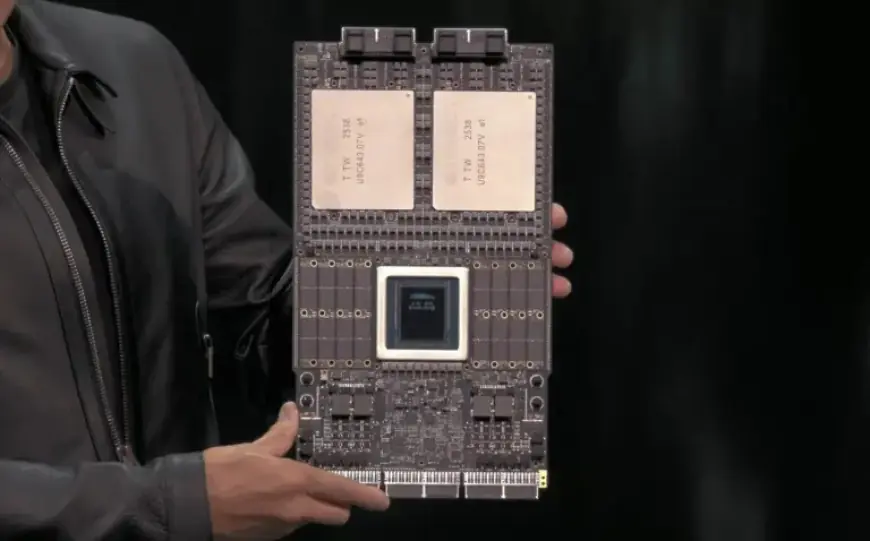
NVIDIA is gearing up for the release of its latest AI systems, known as “Vera Rubin.” These systems, which include the VR200 NVL72 rack-scale solutions, are set to ship in late summer. They will serve as the backbone for next-generation AI models.
NVIDIA’s HBM4 Memory Selection
In a significant development, NVIDIA has chosen to partner exclusively with SK hynix and Samsung for the supply of HBM4 memory. Reportedly, Micron has been omitted from this selection process, greatly affecting its potential contribution. This decision was highlighted in internal notes from SemiAnalysis, an organization specializing in supply chain details.
Supply Distribution
- SK Hynix: 70% of HBM4 supply
- Samsung: 30% of HBM4 supply
- Micron: No commitment for HBM4 supply
Despite being excluded from HBM4, Micron remains relevant in the NVIDIA ecosystem. The company is set to supply LPDDR5X memory for the “Vera” CPUs, which can support up to 1.5 TB of this memory. This allows Micron to maintain a position in other crucial aspects of the system.
Performance Upgrades in VR200 NVL72
NVIDIA’s initial aim for the VR200 NVL72 system was to achieve 13 TB/s bandwidth by March 2025. However, this target was significantly revised to 20.5 TB/s in September. At CES 2026, NVIDIA announced a further increase, confirming the system now operates at 22 TB/s, marking nearly a 70% improvement.
Implications for Memory Suppliers
This aggressive enhancement in system bandwidth was a result of stringent memory specifications demanded by NVIDIA. The “Vera” CPU, which utilizes SOCAMM2 LPDDR5X memory, expects Micron to be a principal supplier, potentially solidifying its role despite the setbacks with HBM4.
Overall, while Micron’s absence from HBM4 supply may seem detrimental, the company continues to compete robustly in other memory technologies essential for the upcoming AI systems. As NVIDIA positions the “Vera” CPUs as competitors to established players like Intel Xeon and AMD EPYC, there is a significant need for diverse memory solutions, in which Micron could still play a pivotal role.