

























Mike Tyson and MAHA Warn: ‘Processed Food Dangers Revealed in Super Bowl Message’

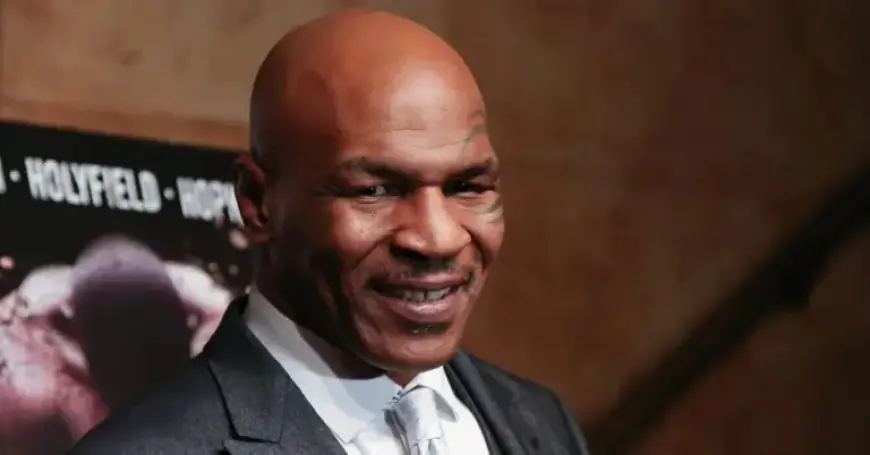
In an eye-opening campaign during the Super Bowl, Mike Tyson delivered a strong message about the dangers of processed foods. The ad warns viewers about the impact of unhealthy eating habits on American health. Tyson, a former world champion boxer, spoke candidly about his past struggles with obesity and the loss of his sister to complications related to obesity.
Tyson’s Powerful Message
Mike Tyson’s words echoed a harsh reality: “Processed food kills.” In the advert, he reflected on his previous weight of 345 pounds and shared his experience of feeling immense self-hate. The ad highlights the urgent need for healthier eating habits in the United States.
MAHA Center’s Involvement
This initiative was sponsored by the MAHA Center, which aligns with the Make America Healthy Again movement. Led by Tony Lyons, an ally of Health Secretary Robert F. Kennedy Jr., MAHA aims to raise awareness about the drawbacks of ultraprocessed foods. According to Lyons, the organization raised funds for the ad by appealing to prominent donors, with aspirations to rival top brands like Coca-Cola and Pepsi.
- Key figures: Mike Tyson, Tony Lyons, Robert F. Kennedy Jr.
- Statistics: Approximately 70% of the American food supply consists of ultraprocessed foods.
The Impact of Ultraprocessed Foods
The ad directs viewers to RealFood.gov, which recently updated dietary guidelines to emphasize whole foods over processed options. Kennedy has criticized ultraprocessed foods, linking them to chronic health issues such as obesity and heart disease.
Despite controversies surrounding Kennedy’s views on vaccines, his stance on nutrition resonates with many Americans. A recent KFF and Washington Post poll revealed that a large majority of parents consider highly processed foods a serious health threat to their children.
Addressing Food Access and Choice
While the campaign aims to push for better eating habits, nutrition experts warn against shaming individuals for their food choices. Lindsey Smith Taillie from the University of North Carolina noted that internal guilt can lead to negative health behaviors. Moreover, the availability and affordability of processed foods make them attractive options for many.
As grocery prices continue to rise and food assistance restrictions loom, many Americans face significant challenges in making healthy food choices. Brenda Davy from Virginia Tech emphasized the complexity of the food environment and questioned whether dramatic ads would lead to long-term behavior changes.
Conclusion
Tyson’s message and the concurrent MAHA campaign shed light on a pressing issue in American society. Addressing the dangers of processed foods is crucial, but efforts must also consider the systemic barriers that hinder healthy eating. As discussions about nutrition evolve, the importance of whole foods must be highlighted, aiming for a healthier America.