






















Lil Jon’s Son Missing Update: DJ Young Slade Identified as Nathan Smith After Body Found in Georgia Search Area

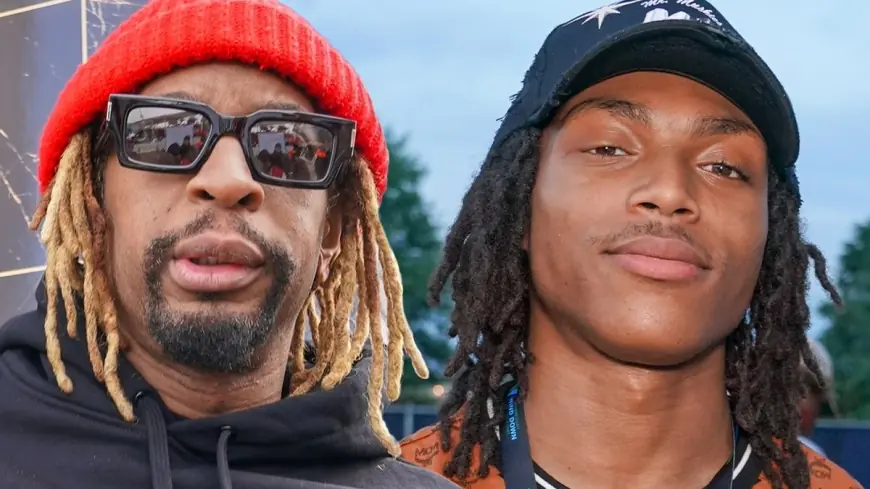
The search for Lil Jon’s missing son has ended in tragedy after authorities recovered a body believed to be Nathan Smith, the 27-year-old musician known as DJ Young Slade, from a pond near where police concentrated their efforts in Milton, Georgia. The discovery came Friday, February 6, 2026, as multiple agencies shifted search activity toward water in and around a local park.
Lil Jon confirmed his son’s death in a public statement, describing his family as devastated and asking for privacy. Officials have said there were no immediate signs of foul play, but the investigation remains open pending formal identification and an autopsy to determine the cause of death.
What happened to Lil Jon’s son: the timeline so far
Nathan Smith was reported missing on Tuesday, February 3, 2026, after leaving his home under unusual circumstances. Police communications during the search emphasized that he did not have his phone and may have been disoriented, a detail that shaped the urgency and strategy of the response.
Over the next several days, law enforcement and emergency teams expanded search coverage near Mayfield Park, using K-9 units and specialized resources while also canvassing areas where someone on foot might travel. On Friday, February 6, a dive team recovered a body from a pond in the search area. Authorities said they believed the body was Smith and later indicated there were no signs of foul play at that stage.
DJ Young Slade and Nathan Smith: who he was beyond the headline
Online searches for “DJ Young Slade” have surged as fans try to understand who Nathan Smith was outside of being Lil Jon’s son. Smith was an emerging artist and DJ who had been building his own identity in music for years, and he was known to people around him as talented, driven, and warmhearted.
Lil Jon’s statement highlighted those qualities, emphasizing Smith’s character and the depth of the loss for family and friends. The suddenness of the disappearance and the rapid shift from missing-person search to death investigation has left supporters grasping for answers that may take weeks to arrive.
Why the case drew such intense attention in Georgia
The combination of a public figure’s family, a missing-person report with “disoriented” language, and an active multi-agency search created a high-visibility story with constant public updates. That visibility can help a search by keeping eyes open and tips flowing, but it also raises the emotional temperature, especially when speculation spreads faster than confirmed facts.
This is also a reminder of how quickly a missing-person situation can turn into an investigative one. Once water searches begin, the public often reads it as a grim signal, even when authorities are simply following the most practical leads available.
Behind the headline: incentives, stakeholders, and what the investigation is really trying to answer
A case like this pulls multiple systems into one difficult task:
-
Law enforcement and emergency responders must balance speed with accuracy. Early statements are often cautious because details can change as evidence is processed.
-
The medical examiner process becomes pivotal. Determining cause and manner of death is often the only way to separate accident, medical emergency, self-harm, or criminal involvement.
-
Families and communities need privacy and time, but public attention makes even basic grieving feel like a public event.
The incentives are often misunderstood. Police are incentivized to avoid premature conclusions because early misstatements can compromise trust, create legal exposure, or interfere with factual clarity. Meanwhile, the public is incentivized to seek narrative closure immediately, which is why rumors and unverified “updates” often explode during the gap between discovery and official findings.
Second-order effects matter too: high-profile cases can increase awareness and resources for missing-person searches, but they can also deepen public cynicism if answers take time or if misinformation dominates the conversation.
What we still don’t know
Several key questions remain unresolved:
-
The official cause of death, which will come from the autopsy and toxicology work
-
Whether investigators found any indicators of a medical event or accident that could explain the “disoriented” concern
-
The precise sequence of movements after Smith left home, including whether there were witnesses, camera footage, or confirmed sightings
Until those pieces are confirmed, it is not possible to responsibly claim a definitive explanation.
What happens next: realistic scenarios and triggers
-
Autopsy findings provide clarity if cause and manner of death are determined without complications from decomposition or environmental factors.
-
The investigation stays open longer if results are inconclusive or raise additional questions that require follow-up interviews and evidence review.
-
Public speculation accelerates if unofficial claims circulate online before verified findings are released.
-
Community support efforts intensify as fans and local supporters focus on memorials and mental health resources rather than rumor-driven narratives.
-
A broader conversation emerges about missing-person response protocols, especially around rapid deployment of specialized search resources.
For now, the most accurate “missing update” is the hardest one: the active search has ended, but the factual answers many people want will depend on formal medical findings and the investigative work that follows.