












Indiana Leaders Dismiss Trump’s Call to Overhaul Elections

Indiana’s legislative leaders are firmly opposed to President Donald Trump’s recent call for nationalizing elections. This stance was expressed following Trump’s remarks made during a press event on February 3, where he proposed that federal agents take over the voting process, citing alleged widespread voter fraud from 2020.
Indiana Leaders Reject Nationalizing Elections
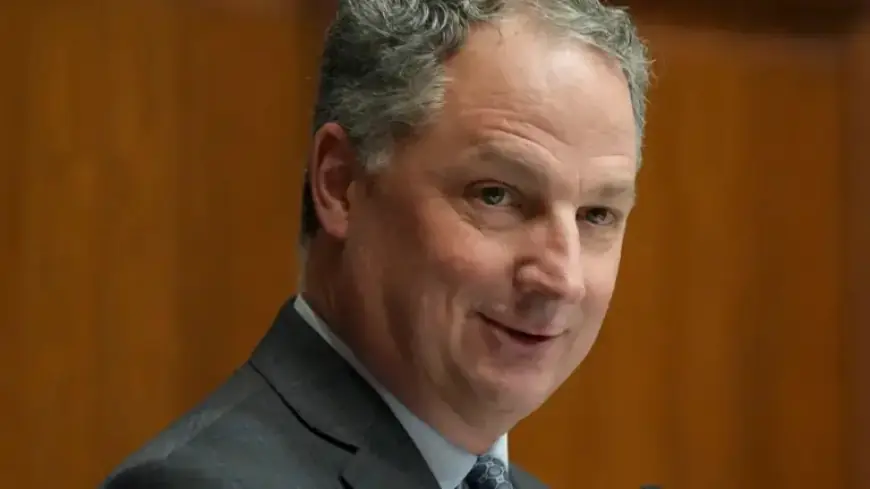
Trump’s assertion was met with resistance from Indiana’s Republican leaders. Senate President Pro Tempore Rodric Bray stated that election operations should remain a state responsibility. “I think Indiana does really well; we’ve got a lot of integrity on that,” Bray commented.
House Speaker Todd Huston supported Bray’s view, affirming that managing elections is the state’s domain. Representative Mike Gaskill, who chairs the Senate elections committee, also found Trump’s proposal concerning but did not elaborate further.
Trump’s Statements and Legislative Response
- February 2: Trump suggested Republicans “take over the voting” in specific locations.
- February 3: He repeated calls for federal involvement in elections.
These comments align with a broader trend of expressing distrust in the electoral process among segments of the public. Despite Trump’s claims, Indiana leaders maintain that their election system operates with integrity and effectiveness.
Political Implications and Context
As the upcoming elections draw near, concerns about potential conflicts between state and federal authorities are growing. Trump’s rhetoric may intensify discussions about election integrity, especially as new legislation continues to emerge.
White House Press Secretary Karoline Leavitt later clarified that the president supports state administration of elections. Meanwhile, Indiana’s Secretary of State Diego Morales and Attorney General Todd Rokita reported that 21 noncitizens voted in recent elections, although the timeframe of this data remains unspecified.
Approximately three million Hoosiers participated in the 2024 general election, indicating a robust engagement in the democratic process despite ongoing concerns about voter integrity.
As these debates continue, the conversation around election oversight and integrity remains crucial for Indiana, highlighting the persistent tensions between state and federal governance in electoral matters.