
























Waymo Cars Secretly Operated by Philippine Workers

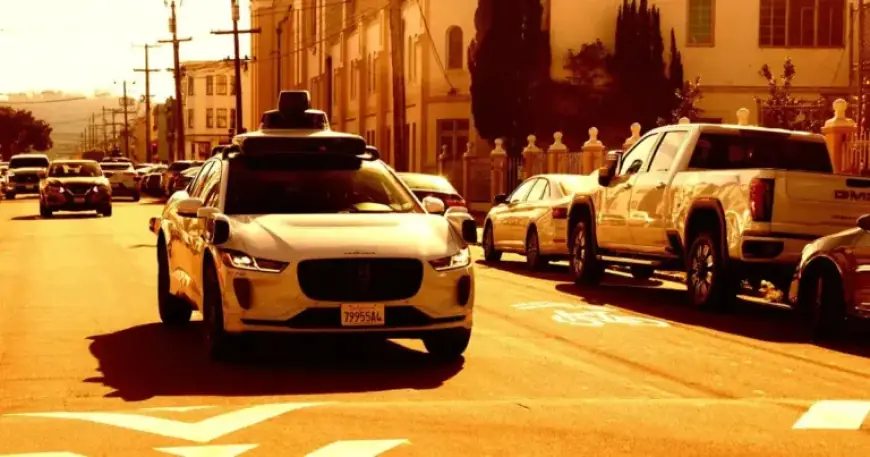
Waymo, a leader in the autonomous ride-hailing industry, operates thousands of self-driving taxis across ten major U.S. cities. However, recent Congressional hearings have raised significant concerns regarding the safety and operational practices of Waymo, particularly its employment of overseas workers. These revelations come in light of an incident where a Waymo robotaxi injured a child near a Santa Monica school, prompting a federal investigation.
Concerns Over Overseas Operators
During the hearing, Waymo’s Chief Safety Officer, Mauricio Peña, faced tough questions regarding the company’s use of foreign workers, notably those based in the Philippines. Peña clarified that these workers do not drive the vehicles directly; rather, they provide guidance in specific situations. He mentioned that while some operators reside in the United States, others are overseas, contributing to a growing safety debate.
Lawmakers Express Discontent
- Senator Ed Markey (D-MA) expressed concerns about safety risks associated with foreign guidance.
- He highlighted potential cybersecurity vulnerabilities and questioned the credentials of these overseas workers.
- Markey noted the difference between foreign influence in autonomous vehicle operation and traditional taxi services like Uber and Lyft.
Operational Insights from Waymo
Waymo has historically communicated its reliance on human operators. In a May 2024 blog post, the company described the process as akin to a “phone-a-friend” approach when facing challenging road situations. While the autonomous vehicle remains in control, it may consult a human fleet response agent for advice based on real-time camera feeds.
Risk Factors in Autonomous Driving
- Remote agents can suggest navigation paths and lane choices but do not physically control the vehicle.
- Both Waymo and Tesla acknowledge similar practices in their respective systems.
- Recent data indicate Tesla’s robotaxis are experiencing higher crash rates compared to human drivers.
Legislative Implications and Safety Risks
As lawmakers consider the implications of autonomous vehicles sharing roads with human drivers, concerns are mounting. Senator Markey emphasized the potential dangers of remote operators influencing vehicle decisions from abroad, raising alarms about possible security threats. He warned that such arrangements could lead to vehicles being commandeered by malicious actors, posing significant risks to public safety.
The ongoing discussions highlight the need for stringent regulations and oversight in the rapidly evolving field of autonomous transportation. As stakeholders navigate these complexities, ensuring the safety of passengers remains paramount.