























Protests Target ICE Ahead of Winter Olympics 2026 as Vonn Wraps Training Run

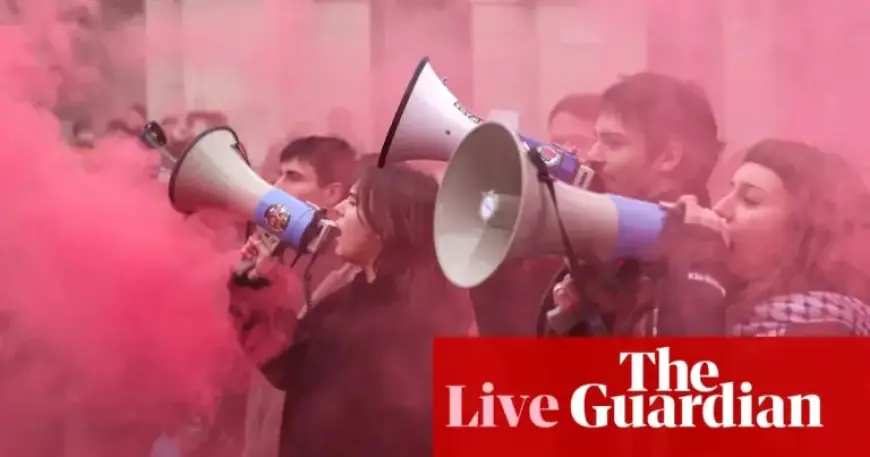
As the Winter Olympics 2026 in Milan-Cortina approach, protests have erupted in response to the presence of U.S. Immigration and Customs Enforcement (ICE) in Italy. Demonstrators, including hundreds of students, gathered outside the Politecnico di Milano to voice their concerns over ICE’s role in the Games. Amid rising tensions, the presence of ICE agents has faced significant backlash due to allegations of violence in the U.S. and recent incidents involving demonstrators.
Background and Protests
ICE, tasked with enforcing immigration laws, has been criticized for its actions in the United States. Protesters argue that its operations infringe on civil rights. As the Olympics draw nearer, the U.S. delegation, including Vice President JD Vance, has faced scrutiny for its ties to ICE. Vance met Italy’s Prime Minister Giorgia Meloni, where they discussed “shared values” between the two nations. However, this meeting occurred against a backdrop of protests from those opposing ICE’s involvement.
- Protests organized by students from local universities
- Demonstrators expressed outrage over ICE’s actions in the U.S.
- Concerns raised about the implications of ICE’s presence at the Games
Lindsey Vonn’s Unexpected Comeback
In sports news, Lindsey Vonn has made headlines by successfully completing a downhill training run just a week after suffering a significant injury. The 41-year-old skier, who ruptured her ACL, demonstrated her determination by clocking a time of 1 minute 40.33 seconds despite the injury. Her recovery and performance have generated excitement ahead of the upcoming medal race.
Impacts of the Protests
The protests against ICE are not just localized incidents but resonate with broader societal issues regarding immigration and enforcement practices. Activists assert that reform is necessary for ICE operations, echoing sentiments of accountability and caution in its engagements.
As the Olympics prepare to celebrate athletic achievements, tensions surrounding ICE’s involvement highlight the intersection of sports and social justice. Spectators and participants alike are closely watching how these elements will unfold during the Games.
Conclusion
The protests targeting ICE at the Winter Olympics cast a shadow over the anticipated festivities in Milan-Cortina. As athletes like Lindsey Vonn prepare to compete, the conversations surrounding immigration enforcement continue to dominate discussions in the lead-up to the event. The Olympics may serve as a pivotal stage for advocacy and awareness, reminding us of the issues that persist beyond the realm of sports.