























Minneapolis Activists Combat Trump Using Black Panthers’ Strategies

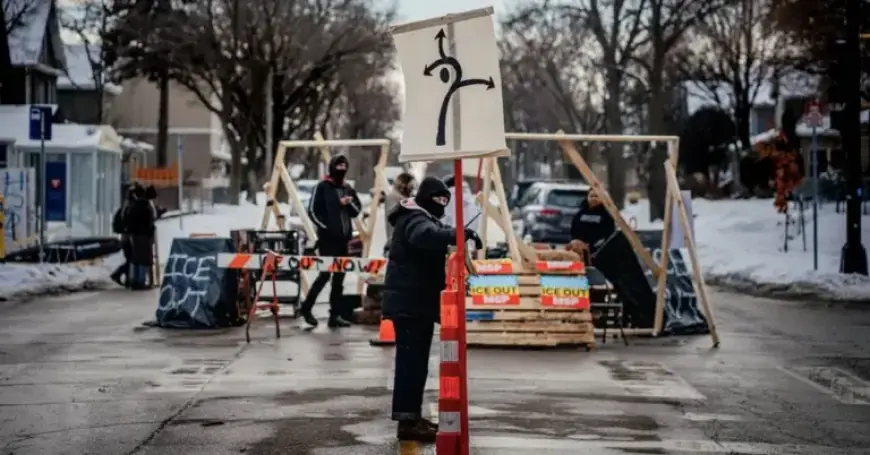
In the lead-up to the 2024 election, activists in Minneapolis are employing strategies inspired by the Black Panther Party to confront federal immigration agents. This movement has gained traction as organizers adapt community monitoring tactics to combat the practices of the Trump administration.
ICE-Watching Movement in Minneapolis
Jill Garvey, an activist and founder of the organization States at the Core, has been instrumental in training citizens on how to monitor the actions of Immigration and Customs Enforcement (ICE). Her group provides online workshops that attract thousands of participants. These trainings empower local residents to document ICE activities and respond effectively to federal agents.
Impact of Activism
The activists’ efforts gained momentum following violent confrontations between federal agents and local residents. Notably, Renee Good and Alex Pretti were fatally shot during separate incidents with federal agents. Videos of these events have heightened public awareness and led to significant changes in federal operations.
- Tom Homan, the Trump administration’s border czar, announced the withdrawal of 700 federal agents from Minneapolis.
- Gregory Bovino, the border patrol official associated with the city’s operations was reassigned.
- Despite the withdrawal, thousands of federal agents remain active in Minnesota.
The increase in ICE-watching initiatives coincides with a broader sense of urgency among local residents. These grassroots efforts have evolved from traditional protest forms, like large marches, to more localized and direct actions.
Historical Roots of the Movement
The Minneapolis activists credit their tactics to a legacy of community organizing by historical Black liberation movements. The Black Panther Party pioneered police-monitoring strategies in the 1960s, focusing on protecting marginalized communities from law enforcement aggression.
Andrew Fahlstrom, a Minneapolis activist involved in ICE-watching, emphasizes that these current strategies are deeply rooted in past movements. He notes connections to the American Indian Movement, which adopted similar patrols to monitor police in their communities.
Training and Community Engagement
Training sessions organized by Garvey’s group prioritize documentation and community alert systems, enhancing local residents’ abilities to respond to ICE presence. Techniques taught include using whistles as alerts and mobilizing immediate neighbor support.
The impact of these initiatives can be seen in public opinion. A recent poll indicated that 85% of Democrats view the anti-ICE protests as legitimate, showcasing a partisan divide on the issue.
Continued Resistance
While the local government has resorted to legal channels and public denouncements of federal actions, community members are increasingly taking matters into their own hands. Governor Tim Walz of Minnesota has publicly supported these grassroots efforts, urging residents to document encounters with federal agents.
This evolving landscape of activism signifies a shift in how communities respond to perceived authoritarian practices. As activists continue to refine their strategies, the legacy of the Black Panthers serves as a pivotal reference point for those in Minneapolis and beyond.
Future of ICE-Watching
Activists foresee a future where ICE-watching becomes an ingrained neighborhood practice, requiring minimal organizational oversight. The emphasis on community skills mirrors traditional community engagement tactics, emphasizing local involvement in policing immigration enforcement.
The movement in Minneapolis illustrates how historical strategies can be adapted to modern challenges, fostering a proactive approach to community safety and civil rights.