
























England Questions Umpire’s Decision Favoring Vihaan Malhotra: ICC Rules Explained

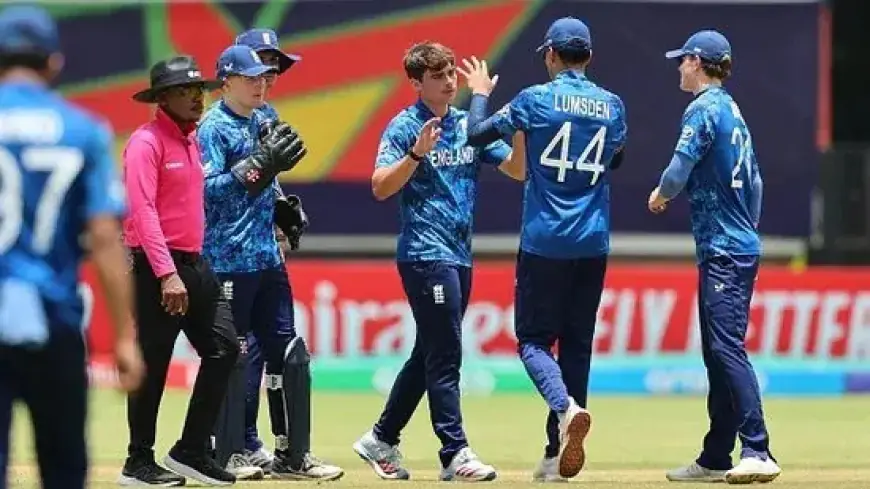
In a tense World Cup final, an unexpected umpire decision sparked heated discussions among cricket fans and players. Vihaan Malhotra of India faced a critical moment during the match when Farhan Ahmed of England attempted a catch that appeared to clinch a pivotal wicket.
Key Moment in the Match
The incident unfolded when Ahmed, while diving to his left, claimed a sharp return catch. Initially, the on-field umpire ruled in favor of England, and Malhotra began to walk off the field. Nevertheless, the third umpire reviewed the play and ultimately decided to overturn the initial call, deeming the batsman not out.
Understanding the Umpire’s Decision
The basis for the decision lies in the Laws of Cricket. Simply put, a catch must be completed without the ball touching the ground. The key factors involve two components that the fielder must control:
- Control over the ball.
- Control over their body movement.
This situation becomes tricky during diving or tumbling catches. While it may seem that a catch is completed in real-time, the act continues until the fielder has fully stabilized themselves and gained control of the ball.
Crucial Details of the Law
A common misconception is the belief that if a fielder’s hand touches the ground, it results in a ‘not out’ decision. In reality, a catch can still be considered valid if:
- The ball does not touch the ground.
- The fielder maintains complete control over the ball despite their hand being on the turf.
In this instance, the third umpire closely analyzed the sequence, focusing on Ahmed’s attempt to regain his balance. If any part of the ball makes contact with the ground while the fielder is still regaining control, the catch is deemed incomplete.
Concluding Thoughts
The heated debate following this incident highlights the complexity of cricket regulations. England’s players may feel that Ahmed’s athleticism warranted recognition with a wicket. However, the stringent application of the rules resulted in the decision to uphold Malhotra’s standing at the crease. Ultimately, until there is definitive control over both the ball and body movement, a catch cannot be counted as completed.
For further insights and updates on cricket and sports events, stay tuned to Filmogaz.com.