

























Fed speech watch: Officials lean toward patience as inflation stays sticky

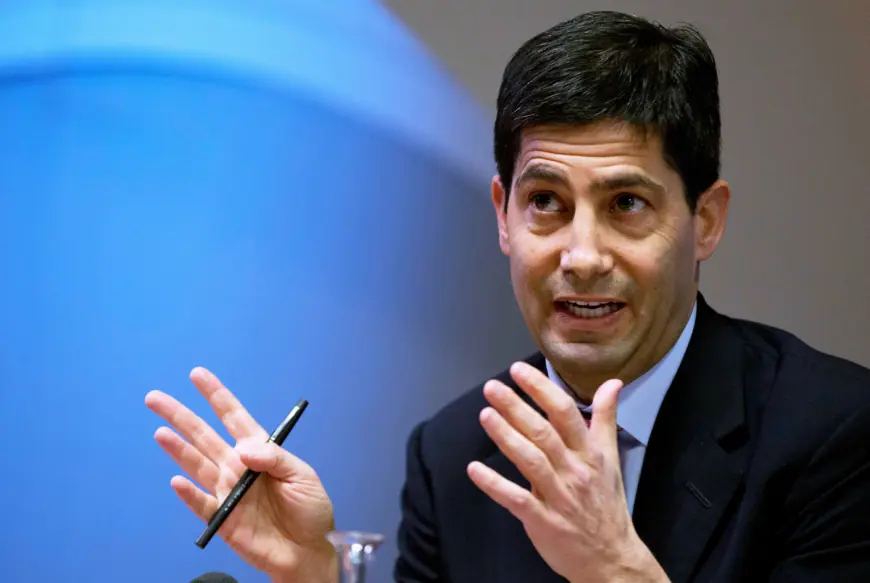
A cluster of Federal Reserve speeches on Feb. 5–6 has reinforced a cautious message: policymakers want more evidence that inflation is moving back toward 2% before making additional rate cuts, even as parts of the labor market cool. The remarks come just days after the Fed held its benchmark rate steady at 3.50%–3.75% and as investors look for clues on whether the next move is a cut later this spring—or a longer pause.
Friday’s headline appearance came from a regional Fed president in Atlanta, while the next focal point is a Vice Chair talk in Washington at midday.
What today’s Fed speech signaled
In remarks delivered Friday, a senior regional Fed official argued that the central bank should keep rates steady for now to ensure inflation continues to come down in a durable way. The official emphasized that elevated inflation makes it harder for households and businesses to plan, and framed today’s policy stance as moderately restrictive—tight enough to keep pressure on prices without trying to force the economy into a downturn.
The same talk pointed to a softening—but still solid—labor market, with unemployment described as higher than it was earlier in the cycle but not flashing broad-based stress.
The policy backdrop: where rates and inflation stand
The Fed’s target range remains 3.50%–3.75%, following its late-January decision to hold steady. Recent public comments from multiple officials show a similar balancing act: inflation has cooled from prior peaks, but progress has been uneven and recent prints have kept policymakers wary of moving too quickly.
One sticking point is the Fed’s preferred inflation gauge, which was still running near 3% year over year as of December 2025, leaving the 2% goal within sight but not yet reached. At the same time, officials have acknowledged that certain policy changes—particularly tariffs—could nudge prices higher in the near term, even if they expect some of those effects to fade.
A quick guide to the most recent remarks
| Speaker | Date (ET) | Core message | Why it matters |
|---|---|---|---|
| Regional Fed president (Atlanta) | Feb. 6 | Hold rates steady; keep policy moderately restrictive | Reinforces the “patience” camp |
| Fed Governor | Feb. 4–5 | Policy “ever so mildly” restrictive; let past easing work | Signals reluctance to rush into cuts |
| Regional Fed president (St. Louis) | Jan. 30 | No more cuts needed; policy near neutral | Pushes back on easing expectations |
| Fed Governor (statement) | Jan. 30 | Favored a cut to support weakening labor market | Highlights internal debate |
Why markets care so much about these speeches
When the Fed is between decisions, speeches become the best real-time read on the committee’s mood—especially around three questions:
-
How restrictive is policy now? If more officials describe rates as near “neutral,” the bar for further cuts rises.
-
Is inflation risk shifting? Mentions of tariffs, supply-side constraints, or re-accelerating services inflation can harden the Fed’s stance.
-
Is the labor market cracking or just cooling? A gradual easing in hiring can be consistent with holding rates; sharper deterioration would increase pressure to cut.
Importantly, officials are not delivering a single unified script. Some emphasize inflation credibility first; others put more weight on preventing labor-market slippage. That split is why small wording changes—“restrictive” versus “mildly restrictive,” “patient” versus “ready”—can move expectations quickly.
What to watch next: Jefferson at midday and the spring path
The next scheduled marquee appearance is Vice Chair Philip Jefferson, speaking at 12:00 p.m. ET on economic outlook and supply-side inflation dynamics. The market focus will be whether he leans toward:
-
Supply-side improvement continuing to reduce inflation without higher unemployment, or
-
Supply-side limits that keep inflation sticky and justify a longer hold at current rates.
Either way, the center of gravity in recent remarks points to a “wait-and-see” posture: keep rates where they are, watch inflation and labor-market data, and avoid overreacting to any single month.
For the weeks ahead, the most actionable signposts are straightforward: inflation prints, unemployment and wage measures, and any concrete evidence that tariff-related price effects are broader or more persistent than expected. If inflation resumes a clear downtrend and hiring weakens meaningfully, the case for a cut strengthens. If inflation remains near 3% and growth stays resilient, the pause can stretch.
Sources consulted: Federal Reserve; Reuters; Brookings Institution; Barron’s