






















Olympics Opening Ceremony 2026 begins in Milan while events already underway—latest on arrivals, protests, and first-night moments

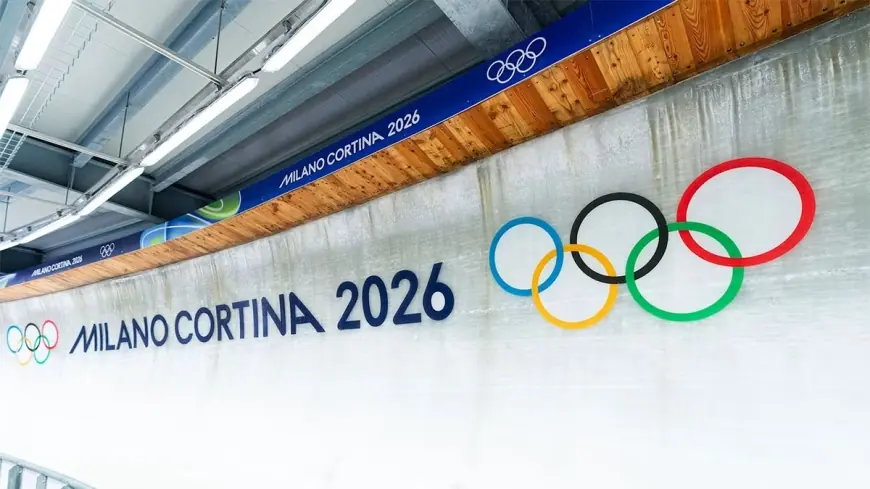
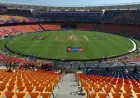
Milano Cortina 2026 officially opens Friday night in Italy with a ceremony anchored at San Siro in Milan, even as competition has already started in several sports. The multi-location format is meant to reflect how widely these Winter Games are spread across the region—bringing parts of the athlete parade to mountain venues while the main spectacle plays to a packed stadium in the city.
For viewers in the United States, the opening ceremony starts Friday, Feb. 6 at 2:00 p.m. ET (8:00 p.m. local time). Many early events and medal sessions over the next two weeks will fall into U.S. daytime or overnight windows because Italy is six hours ahead of Eastern Time.
Arrivals and the security footprint in Milan
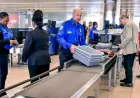
High-profile arrivals have tightened the security perimeter around central Milan and around San Siro, with additional screening and transport controls tied to the evening’s ceremony. Officials have emphasized that the posture is precautionary, with added attention to access points, crowd flows, and protected routes for delegations and dignitaries.
City operations have also shifted to keep traffic moving. Central-area restrictions and closures have affected some commuters, and schools in parts of the city were ordered closed for the day as authorities aimed to reduce congestion and create clearer corridors for Olympic movements.
Protests: anti-ICE anger and broader grievances
Demonstrations have been a major subplot leading into opening night. A student-led rally in Milan drew hundreds of protesters objecting to the involvement of U.S.-linked immigration enforcement personnel in Olympic security planning and presence connected to the U.S. delegation. Protesters carried anti-ICE signs, used whistles common in related demonstrations, and directed chants at visiting U.S. officials.
Italian authorities have said the controversy is misplaced, stressing that any U.S. personnel are not conducting street-level operations and that work is limited to diplomatic or mission-based roles. Organizers and local officials have largely tried to keep the opening-night focus on sport, but the demonstrations have remained visible in the hours before the ceremony.
Separate protests in the city have targeted broader Olympic issues—from public spending priorities and housing pressure to environmental objections linked to sponsorship. Additional demonstrations, including a torchlit march near the ceremony zone, were expected later Friday.
Events already underway: early results and first disruptions
Competition began Wednesday, Feb. 4, and early sessions have already delivered meaningful results, plus a reminder that winter conditions can complicate logistics.
In mixed doubles curling, the United States notched a 7–5 win over Canada, while Great Britain stayed unbeaten with a 7–4 win over Sweden. Host-nation favorites rebounded with a 12–4 win over Switzerland, underlining how quickly the round-robin standings can swing.
Figure skating also got moving ahead of the opening ceremony. In the team event rhythm dance, Madison Chock and Evan Bates posted 91.06 points, putting the U.S. team in front early, with France close behind.
Not everything has been smooth. A brief power outage interrupted early curling action in Cortina on the first night of play, and a luge training session was delayed—an early stress test for operations across multiple sites.
First-night moments to watch at San Siro
The ceremony itself is built around a “city-and-mountains” concept, with athlete parade elements taking place not only in Milan but also at mountain venues including Cortina d’Ampezzo, Livigno, and Predazzo. Two Olympic cauldrons are expected—one in Milan and one in Cortina—symbolizing the split geography of these Games.
A few moments likely to define the night:
-
The Parade of Nations across multiple sites, including how the broadcast stitches them together
-
The cauldron lighting(s) and whether the reveal leans into Italian sport icons
-
Major musical performances, including Mariah Carey and Andrea Bocelli
-
The ceremony’s “Armonia” theme, and how it ties Milan’s modern identity to the Alps
How to watch tonight and keep up with schedule changes
In the United States, the opening ceremony has a live window at 2:00 p.m. ET and a prime-time replay at 8:00 p.m. ET on the main rights-holder’s TV networks, with streaming and replays tied to the same ecosystem (access can depend on subscription and authentication).
For day-to-day tracking, the most practical approach is to follow official event listings and your local broadcaster’s daily grid. Mountain weather, transport constraints, and competition timing can all trigger last-minute changes—especially for outdoor events—so static “Day X” rundowns can fall out of date quickly.
What comes next: early medals and a busy first weekend
With the ceremony serving as the formal ribbon-cutting, the competition pace accelerates immediately. The first full weekend typically brings the highest volume of marquee sessions, while preliminary rounds in sports like curling and hockey continue to set up knockout brackets.
The big operational storyline to watch is coordination: moving athletes, media, and fans across far-flung venues while keeping start times and broadcast windows intact. The big sporting storyline is simpler: early leaders are already on the board, and opening-week momentum can matter when schedules compress and recovery windows shrink.
Sources consulted: Reuters; Associated Press; Olympics.com; CBS News