

























EFSA Quickly Assesses Cereulide Risks in Infant Formula

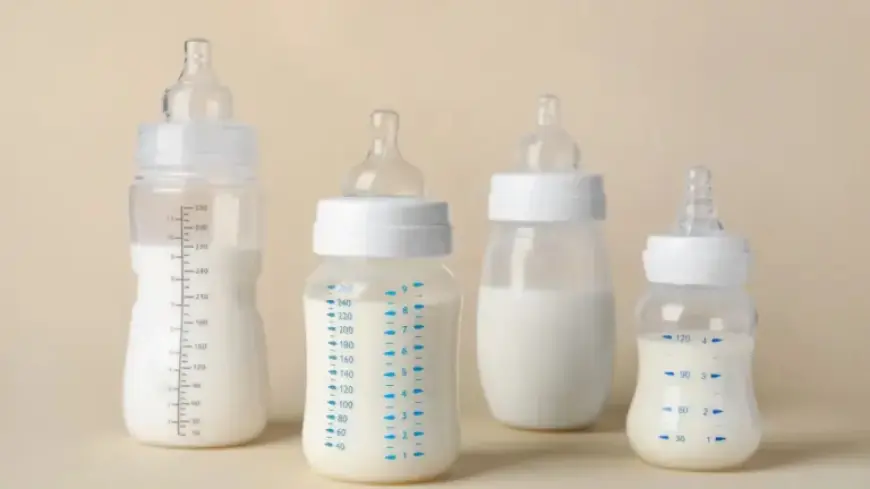
Recent recalls of infant formula in multiple countries have been triggered by the detection of cereulide, a toxin from the Bacillus cereus bacteria. The European Commission has tasked the European Food Safety Authority (EFSA) with conducting a scientific assessment of the risks associated with this toxin.
EFSA’s Rapid Risk Assessment of Cereulide
The EFSA’s evaluation encompasses general scientific risk assessment, product authorization queries, and urgent risk analysis. These assessments guide risk management decisions across the European Union (EU).
Cereulide Reference Dose Established
In their swift risk evaluation, EFSA scientists have identified a reference dose for cereulide in infants. The acute reference dose (ARfD) has been set at 0.014 μg/kg of body weight. This figure is based on the critical adverse effect of vomiting, derived from dose modeling.
Recognizing that very young infants (under 16 weeks) metabolize substances differently than adults, EFSA has adopted a cautious stance by incorporating an additional safety factor into the determination of the ARfD.
Consumption Values for Acute Exposure Estimation
- For infant formula, a consumption value of 260 ml per kilogram of body weight is deemed appropriate for short-term exposure (24 hours).
- For follow-on formula, primarily consumed by older infants, the relevant value is 140 ml per kilogram of body weight.
These values are based on the upper limits of typical infant consumption to ensure a conservative assessment.
Potential Safety Risks from Cereulide Concentrations
EFSA compared the ARfD with these high consumption values and identified critical thresholds. Cereulide concentrations exceeding:
- 0.054 μg/L in infant formula can lead to safety level breaches.
- 0.1 μg/L in follow-on formula may pose similar risks.
Public Health Guidance and Recommendations
Consumers are advised not to feed recalled products to infants or young children. It is crucial to follow the guidelines provided by national food safety authorities.
For infants exhibiting vomiting or diarrhea after consuming the affected formula, the European Centre for Disease Prevention and Control (ECDC) recommends consulting a healthcare professional, such as a pediatrician. In severe cases, such as persistent vomiting or dehydration, immediate medical attention is urged. Gastrointestinal symptoms in infants can lead to quick complications, regardless of the underlying cause.
For further information, please refer to updates from reliable health and safety authorities.