

























TrumpRx.gov launches, sparking questions about drug lists, prices, and look-alike sites

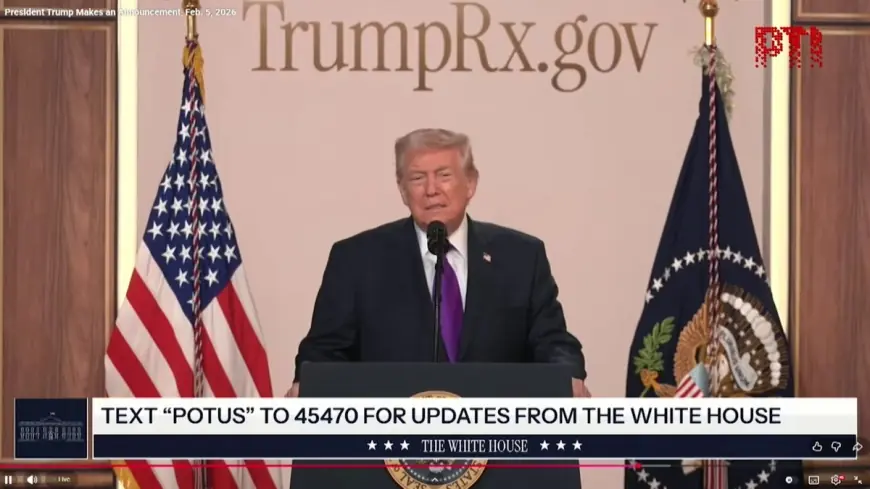
The federal government’s new TrumpRx.gov portal went live Thursday, February 5, 2026, promising discounted prices on dozens of brand-name prescription drugs and a simpler way for cash-paying patients to find manufacturer offers. Within hours, searches for “trumprx list of drugs,” “trump rx prices,” and “trumprx zepbound” surged—along with confusion over whether similar-looking “Trump Rx” websites using “.com” addresses are official.
The launch lands in the middle of a broader drug-pricing push and immediately raises practical questions: who saves money, which medications are included, and what consumers should watch for before entering personal information online.
What TrumpRx.gov is and who it targets
TrumpRx.gov is presented as a government-run directory for discounted prescription drug access, aimed most directly at people who pay out of pocket—especially the uninsured and those whose insurance leaves them with high cash costs for certain brand drugs.
The portal does not function like a traditional insurer benefit. Instead, it directs users toward manufacturer purchase options or pharmacy discount mechanisms for specific drugs. For many insured patients, the savings may be limited if their health plan’s negotiated price is already lower than the posted cash offer—or if using a cash discount means the purchase does not count toward their deductible or out-of-pocket maximum.
A key early takeaway: the biggest immediate impact is expected for patients who are uninsured, between coverage, or facing high cash prices at the pharmacy counter.
TrumpRx list of drugs: what’s included at launch
At launch, the site displayed roughly 40–43 medications (the exact count varied in early rollouts and updates). The list is heavily weighted toward high-cost, high-demand brand drugs where cash-pay pricing has been a major pain point, including GLP-1 weight-loss and diabetes medications.
The site’s “browse medications” feature is intended to show an offer pathway and a posted price for a standard monthly supply or commonly purchased unit. Officials also indicated more drugs are expected to be added over time.
Early price examples, including Zepbound
The discounts being promoted are steep in headline terms, but shoppers should still compare against what they actually pay through insurance, coupons, or existing patient assistance programs. Some launch-day examples frequently highlighted in public materials included GLP-1 drugs priced in the low hundreds of dollars per month for cash-paying users, rather than four-figure list prices.
Below is a snapshot of launch-day examples that circulated widely (amounts depend on eligibility rules, specific formulations, and how the purchase is fulfilled).
| Drug (example) | Example posted cash price | Context |
|---|---|---|
| Zepbound | $299/month | Weight-loss GLP-1; eligibility rules may apply |
| Wegovy (pen) | $199/month | Weight-loss GLP-1; formulation matters |
| Ozempic (pen) | $199/month | Diabetes GLP-1; compare to insurance copay |
| Januvia | Discounted offer shown | Diabetes; cash pathway may not count toward deductibles |
| Advair Diskus | Discounted offer shown | Asthma/COPD; price varies by dose/quantity |
Where GoodRx fits into the rollout
GoodRx is involved as a partner in powering or supporting parts of the discount and routing experience, particularly where pharmacy coupons or price comparisons are part of the workflow. Practically, that means some users may be steered toward coupon-style savings rather than a direct manufacturer purchase.
That partnership is also one reason consumers may see overlaps between TrumpRx offers and discounts that already exist elsewhere in the marketplace. The program’s value proposition is that it centralizes options under a single government-branded front door—rather than creating entirely new discounts for every drug.
TrumpRx.gov vs trumprx.com: how to avoid look-alike websites
Because the portal is new and highly searched, look-alike addresses and typos can spread quickly through social posts, forwarded messages, and paid ads. The safest verification step is simple: the official site uses a “.gov” address.
A few practical safety checks before entering any personal details:
-
Use the “.gov” version and avoid similarly named “.com” pages unless you can independently verify what organization operates them.
-
Be cautious of pages that ask for sensitive identifiers (such as Social Security numbers) to “unlock” pricing.
-
Treat urgent pop-ups, “limited time” countdowns, or requests for upfront payment information as red flags.
-
If you’re unsure, cross-check by navigating from other official federal webpages you already trust rather than clicking a forwarded link.
What to watch next
Near-term scrutiny is likely to focus on three measurable outcomes: how many drugs are added beyond the initial list, how consistently posted prices match what patients can actually obtain at checkout, and whether cash-pay purchases create unintended drawbacks for insured patients who need spending to count toward deductibles.
The bigger political and policy questions—how the discounts were negotiated, what legal authorities support the structure, and whether the initiative changes net prices across the system—will play out over months. For patients, the immediate test is simpler: does the portal produce a lower, reliable out-of-pocket price without new hoops or hidden tradeoffs?
Sources consulted: Reuters, The Wall Street Journal, The White House, Pfizer