






















Anthony Davis trade to Wizards resets Washington’s timeline and Dallas’ roster

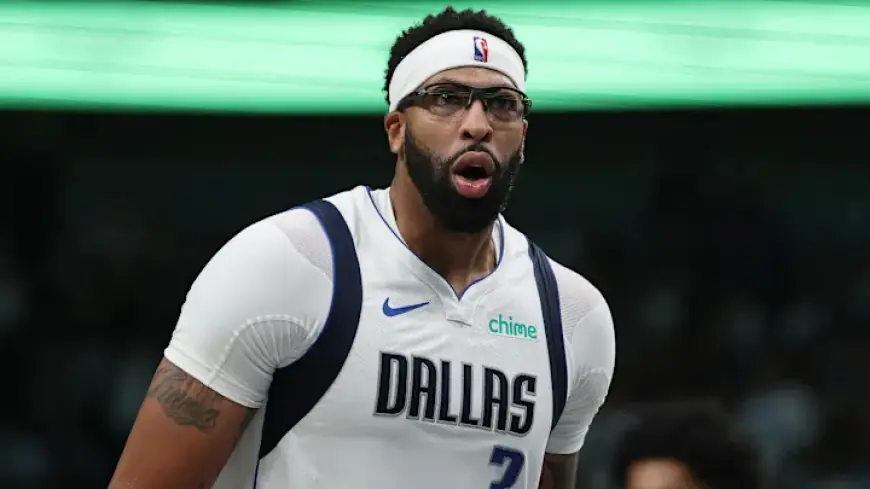
The Anthony Davis trade sent the 10-time All-Star to the Washington Wizards just as the league’s trade window slammed shut, giving Washington another marquee name after its earlier Trae Young move. The deal also signaled Dallas’ pivot toward flexibility and draft capital, while reshuffling a surprising number of rotation pieces across multiple teams on the same day.
Davis arrives with Washington sitting near the bottom of the Eastern Conference standings, but the franchise now has a clearer “next season” storyline: pair Trae Young’s playmaking with a proven two-way big, and sort out a crowded frontcourt that already includes rookie center Alex Sarr.
Anthony Davis trade: the full package
The transaction was structured as a three-team deal and quickly triggered follow-up moves that clarified where key role players actually landed.
| Team | Headline additions | Headline outgoing |
|---|---|---|
| Wizards | Anthony Davis (plus additional players in the multi-team package) | Multiple rotation players plus draft assets |
| Mavericks | Khris Middleton, A.J. Johnson, Tyus Jones, Marvin Bagley III, multiple draft picks | Anthony Davis, D’Angelo Russell, Dante Exum, Jaden Hardy, Malaki Branham |
| Hornets | Malaki Branham; created a trade exception | Tyus Jones |
Davis has averaged 20.4 points, 11.1 rebounds, and 2.8 assists in 20 games this season, numbers that reflect both his impact and the durability questions that tend to follow him.
Why Washington pushed in after Trae Young
Washington’s aggressive approach is easier to understand in sequence. Trae Young arrived in early January, and the Davis move functions as a second “win-now” signal layered onto a roster that has been developing younger pieces. The front office’s challenge now becomes balancing timelines:
-
Short-term: build a credible, organized offense around Young while keeping Davis healthy enough to anchor the defense.
-
Medium-term: decide how Alex Sarr fits best—alongside Davis, behind him, or in staggered lineups that keep a rim-protector on the floor at all times.
-
Long-term: protect flexibility if the roster needs another major swing or if the fit requires a reset.
The Wizards have been searching for a coherent identity; this gives them one quickly, even if it comes with risk.
What the Wizards roster could look like now
Assuming health, the most watchable version of the Wizards has Young steering tempo with Davis as the screening partner and defensive backstop. The lineup questions start immediately, especially with Sarr’s presence.
A practical early rotation concept:
-
Start Davis at center with Sarr sliding to a secondary frontcourt role, or
-
Start Sarr at center and use Davis as the staggered anchor to keep one elite rim presence on the floor, depending on matchups and conditioning.
Either way, Washington’s spacing, rebounding roles, and late-game shot creation become the main variables. The team can now generate easier looks through pick-and-roll gravity—something it frequently lacked.
Dallas’ pivot: flexibility around Kyrie Irving’s timeline
From Dallas’ perspective, the deal reads like a recalibration. The Mavericks moved off Davis and several guards/wings, bringing in veterans and movable contracts while stacking draft picks. The timing also matters: Kyrie Irving has been working back from a serious knee injury, and the roster moves suggest Dallas wants to be prepared for multiple outcomes—whether Irving returns to form soon or the franchise leans harder into a youth-driven build.
Middleton’s name stands out, but the more important part for Dallas may be optionality: additional picks, roster slots that can be rerouted later, and the ability to reshape the rotation without being locked into a single expensive core.
Key segments to watch over the next month
The best indicators of whether this works will show up quickly in a few concrete areas:
-
Davis availability and workload — minutes, back-to-backs, and how often Washington needs him to play center.
-
Young–Davis chemistry — especially the timing on screens, short-roll reads, and whether defenses have to fully commit extra help.
-
Sarr’s role clarity — not just minutes, but whether he’s empowered as a creator or kept as a finisher/defender.
-
Dallas’ next transaction — whether any incoming pieces are rerouted, waived, or used to facilitate another move.
If Washington stabilizes its defense and cleans up late-game execution, it can credibly aim to climb next season. If not, this becomes an expensive experiment. For Dallas, the immediate product may look thinner, but the roster is now built to be re-shaped again—fast.
Sources consulted: NBA.com, Associated Press, Reuters, Los Angeles Times