















Charlie’s Kirk’s Alleged Killer’s Lawyers Seek Prosecutors’ Removal Again

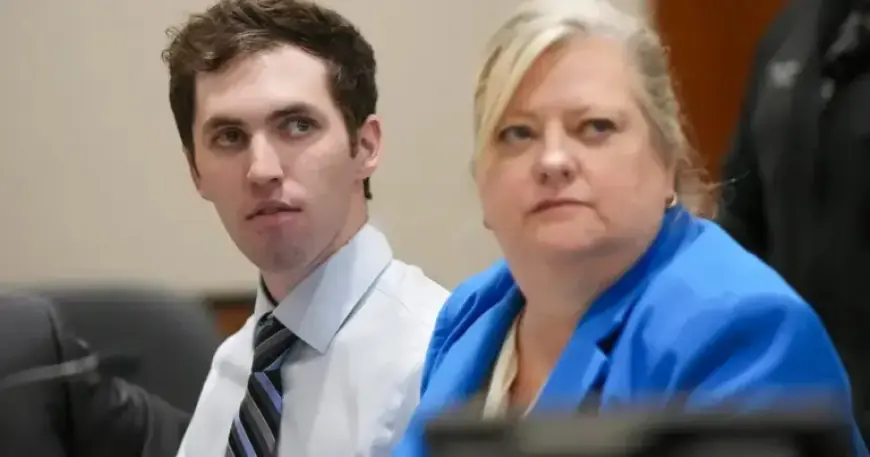
In the ongoing legal battle surrounding the death of Charlie Kirk, Tyler Robinson’s defense team has renewed its call for the removal of prosecutors from the case. The request to disqualify the Utah County Attorney’s Office stems from concerns over a potential conflict of interest involving Deputy Prosecutor Chad Grunander.
Key Events in the Case
The defense alleges that Grunander’s personal connection to the incident—his daughter attended the rally at Utah Valley University where Kirk was shot—compromises the prosecution’s integrity. During a recent pretrial hearing, Grunander testified that he received reassuring texts from his daughter shortly after the shooting.
- Incident Date: January 16 (initial proceedings)
- Upcoming Hearing Date: February 24 (Judge Tony Graf’s ruling)
- Preliminary Hearing Scheduled: May 18
Defense’s Argument
The defense contends that Grunander’s daughter’s presence at the rally could create bias in prosecutorial decisions. They emphasize that pursuing the death penalty against Robinson, who is 22 years old, appears to be driven by emotional responses rather than objective legal analysis.
In a sealed affidavit, Grunander’s daughter described the chaotic scene. She recounted hearing a loud noise, followed by someone declaring that “he’s been shot.” Despite her proximity to the event, she reported no lasting trauma and continued her school activities without interruption.
Prosecutors’ Response
Chief Deputy Prosecutor Grunander asserted that there is no conflict of interest in seeking justice for Charlie Kirk. He disclosed his daughter’s connection voluntarily to preempt any assumptions of bias. Utah County Attorney Jeffrey Gray also defended the decision to pursue aggravated murder charges against Robinson, insisting that his judgment was not influenced by Grunander’s family ties.
Courtroom Proceedings and Media Coverage
The hearings have been scrutinized for their media implications. Robinson’s legal team previously requested that the courtroom be closed to cameras, arguing that media presence could hinder a fair trial. Conversely, Kirk’s widow, Erika Kirk, has advocated for transparency in the proceedings, stating the necessity of open court access.
As the case unfolds, Judge Tony Graf has taken actions to balance these concerns. He approved relocating cameras to minimize their impact on Robinson but denied requests to remove them entirely.
Conclusion
As the legal proceedings continue, the focus remains on the implications of personal conflicts within the prosecution. Robinson’s attorneys are expected to present their case at the upcoming preliminary hearing, shedding light on the evidence gathered against the accused.