Lakers land Luke Kennard for Gabe Vincent as deadline-day shooting bet

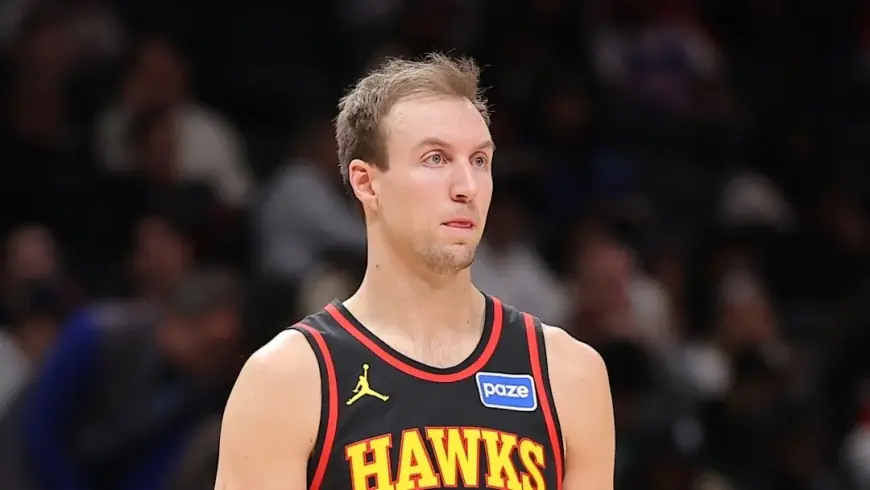
The Los Angeles Lakers made a clear trade-deadline statement on Thursday, February 5, 2026 (ET): add elite perimeter shooting now, even if it means moving on from a guard they hoped would stabilize the rotation. The Lakers acquired Luke Kennard from the Atlanta Hawks in exchange for Gabe Vincent and a 2032 second-round draft pick, reshaping both teams’ backcourts with a deal built around immediate fit and expiring contracts.
The move lands with the postseason picture tightening and three-point volume rising leaguewide. For the Lakers, it’s a direct answer to a season-long issue: inconsistent spacing. For the Hawks, it’s a pragmatic flip—turning an expiring shooter into a different expiring guard plus a future pick.
What the trade is, in plain terms
Here’s the transaction and what it implies for roster building going into the final stretch:
| Item | Lakers | Hawks |
|---|---|---|
| Player in | Luke Kennard | Gabe Vincent |
| Player out | Gabe Vincent | Luke Kennard |
| Draft asset | Sends 2032 second-round pick | Receives 2032 second-round pick |
| Contract status | Expiring (UFA after season) | Expiring (UFA after season) |
Because both players are on expiring deals, neither team is locking itself into long-term salary. The real “cost” is the pick, and the real “return” is the specific skill set each team prioritized.
Why the Lakers wanted Luke Kennard
Kennard’s value is simple: he is one of the league’s most efficient high-level three-point shooters, and this season he has been hitting roughly half of his threes (about 49.7%) while playing a bench role. Over his career, he’s been a mid-40s percent three-point shooter, a profile that forces defenses to stay attached well beyond the arc.
That matters in a Lakers context because spacing isn’t just about making shots—it changes the geometry of every possession. A defender who can’t help off Kennard creates wider driving lanes, cleaner post entries, and fewer “extra bodies” crowding the paint. Even if Kennard’s raw scoring (about 7.9 points per game this season) doesn’t jump dramatically, his gravity can.
The Lakers also add a player who can thrive without dominating the ball. That’s especially important on a roster where creation responsibilities are already concentrated. Kennard’s ability to relocate, shoot on the move, and punish late closeouts fits a lineup trying to maximize efficient possessions.
Why Atlanta moved on, and what Gabe Vincent brings
For Atlanta, the deal looks like a classic deadline recalibration: exchange an expiring specialist for an expiring guard who may fill a different need, plus a future second-round pick that can be used in another trade, to draft, or as a sweetener later.
Vincent’s recent seasons have been shaped by injuries and role instability, but his appeal is still clear: he defends, competes, and can handle secondary playmaking duties. This season with the Lakers, he appeared in 29 games and averaged about 4.8 points with roughly 1.3 assists, numbers that reflect limited rhythm as much as limited opportunity.
The upside for the Hawks is that an expiring contract can be a low-risk trial. If Vincent settles quickly, he can help right away. If not, Atlanta hasn’t sacrificed long-term flexibility, and the pick remains a tangible return.
What it means on the court, starting now
For the Lakers, the immediate question is rotation math. Kennard is most valuable when paired with creators who collapse the defense and find him quickly. Expect lineups that prioritize:
-
A primary creator on the floor at all times with Kennard
-
More “two-shooter” groupings to keep help defenders honest
-
Sets designed to spring Kennard via pin-downs, flare screens, and quick swing passes
For the Hawks, Vincent’s best early pathway is simpler: defend at the point of attack, keep turnovers low, and hit open shots when the offense creates them. If he can provide steady minutes without needing high usage, he becomes the kind of plug-in guard teams value in March and April.
What to watch through the rest of February
Three things will tell you quickly whether this trade hits its intended mark:
-
Kennard’s shot volume, not just percentage: If his attempts rise without hurting efficiency, it means the Lakers are successfully generating the right looks.
-
Closing lineups: If Kennard is trusted late in tight games, it signals the staff is comfortable with the defensive tradeoffs that sometimes come with adding a shooting specialist.
-
Vincent’s health and continuity: Atlanta’s return depends on him staying available long enough to establish a consistent role.
Both players are set to become unrestricted free agents after the season, which adds pressure and urgency. For the Lakers, this is a “solve a need now” bet. For the Hawks, it’s a flexible asset play that keeps options open while collecting a pick.
Sources consulted: Reuters, NBA.com, Hoops Rumors, Yahoo Sports