

























Nova Scotia Agrees to Supply Massachusetts with Offshore Wind Power

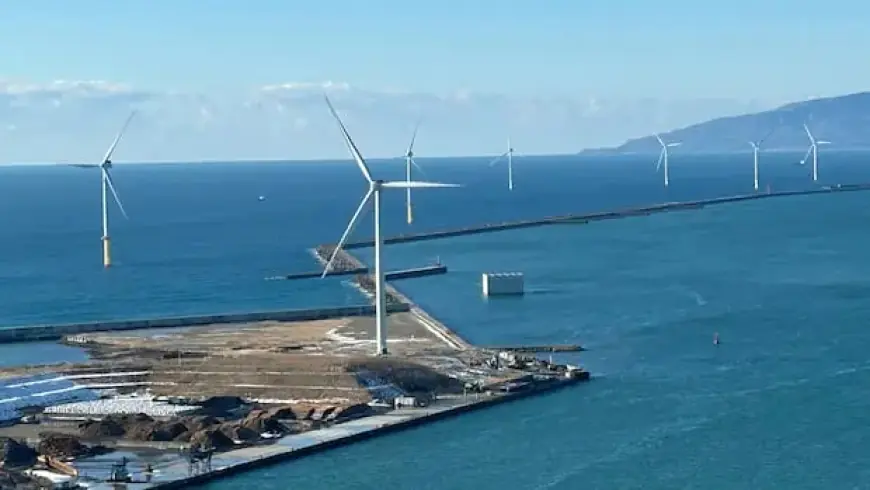
Nova Scotia has taken a significant step towards enhancing its offshore wind energy sector by securing a partnership with Massachusetts. During a recent event in Boston, Premier Tim Houston and Massachusetts Governor Maura Healey announced a memorandum of understanding to collaborate in developing their respective offshore wind capabilities.
Nova Scotia’s Wind West Initiative
The proposed Wind West project is still in its early stages. Premier Houston described its potential output as “remarkable.” While officials in Massachusetts have yet to estimate the energy supply from this project, it signifies a promising opportunity for clean energy collaboration.
Nova Scotia currently peaks at two gigawatts of energy demand but has the capacity to generate 40 to 60 gigawatts offshore. The initial phase of Wind West, estimated to cost $60 billion, is projected to produce five gigawatts by 2033. Future phases could elevate total output to over 62 gigawatts, representing about 25% of Canada’s energy capacity.
Federal Support for Development
Prime Minister Mark Carney has expressed the federal government’s readiness to assist in expediting the Wind West project. A formal invitation for companies to participate in the project is anticipated soon.
Massachusetts has established experience in offshore wind projects, with well-developed ports and a trained workforce. Governor Healey emphasized the state’s need for more energy, promoting various sources including wind, solar, gas, hydro, and nuclear power as part of a comprehensive energy strategy.
Energy Demand and Challenges
Massachusetts anticipates a need for 140 terawatt hours of energy by 2050, with significant growth expected in wind generation. It’s essential to note that designated offshore wind areas south of New England could offer over 14 gigawatts of capacity. However, the collective energy needs of Massachusetts and neighboring states may surpass this supply.
While the partnership presents many opportunities, challenges remain. For instance, extreme weather conditions previously led Quebec’s hydro utility to halt exports to Massachusetts shortly after launching a new transmission line. Moreover, in 2018, Quebec secured a long-term contract to deliver 9.45 terawatt hours annually over 20 years, worth approximately $16 billion.
Importance of Transmission Lines
Securing effective transmission lines is fundamental for Nova Scotia to deliver energy exports. Premier Houston remarked on the province’s geographic position, stressing the necessity of transmitting clean energy to markets. The Wind West project’s initial phase allocates about one-third of its $60 billion budget for transmission infrastructure.
- Two potential routes for transmission are being considered:
- An overland route via New Brunswick
- A subsea route directly to Quebec or New England
As discussions progress, there are suggestions for developing stronger electricity lines through Atlantic Canada and Quebec as part of an “eastern energy partnership.” Nova Scotia is also seeking federal financial incentives, including investment tax credits and low-interest loans, which could significantly reduce the estimated offshore wind energy cost from $240 to $170 per megawatt hour.
The provincial government predicts a 4% royalty on the gross revenues from Wind West could generate $100 million annually for Nova Scotia, emphasizing the project’s potential economic benefits alongside its environmental advantages.