






















NBA Trade Deadline 2026: What Time It Hits, How Trades Get Finished, and Where the Standings Put Pressure on Contenders

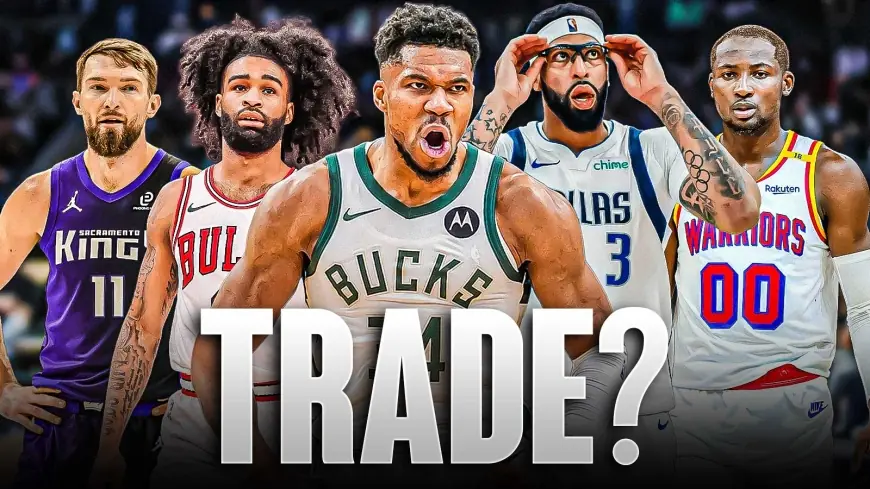
The NBA trade deadline arrives today with front offices racing against a hard stop that can reshape playoff odds in minutes. The key detail fans keep searching is simple: the league’s trade deadline is Thursday, February 5, 2026 at 3:00 p.m. ET. Anything agreed after that moment cannot be processed as a trade this season, turning the final hours into a high-stakes squeeze for teams trying to upgrade now or cash out for the future.
When is the NBA trade deadline 2026?
Thursday, February 5, 2026 at 3:00 p.m. ET.
That is the cutoff for deals to be submitted and approved through the league’s process. The public often experiences the deadline in waves: a burst of announcements before 3:00 p.m., then additional trade details that keep surfacing afterward as paperwork is finalized and reported.
Trade deadline NBA trades: why the last hour looks chaotic
A trade can be “agreed to” before 3:00 p.m. ET but still take time to become official. That gap is why you’ll see news dribble out after the buzzer even when the actual agreement happened in time. The reasons are procedural, not mysterious:
-
Salary matching and roster limits: teams must fit incoming and outgoing contracts within the cap rules and end up with legal roster counts.
-
Medical review and contingencies: some deals include conditions tied to health checks or the inclusion of an additional player or pick if something changes.
-
Multi-team construction: three-team and four-team trades balloon the number of moving parts and approvals.
This is also why “trade rumors” can persist right up until the final minutes: teams keep parallel negotiations alive so they can pivot if one path collapses.
NBA standings right now: where the pressure is highest
The standings entering deadline day explain why buyers and sellers are acting like buyers and sellers.
Eastern Conference snapshot
-
Detroit Pistons: 37-12
-
New York Knicks: 33-18
-
Boston Celtics: 33-18
-
Cleveland Cavaliers: 31-21
-
Philadelphia 76ers: 29-21
-
Toronto Raptors: 30-22
Western Conference snapshot
-
Oklahoma City Thunder: 40-12
-
San Antonio Spurs: 34-16
-
Denver Nuggets: 33-19
-
Houston Rockets: 31-18
-
Minnesota Timberwolves: 32-20
-
Los Angeles Lakers: 30-19
-
Phoenix Suns: 31-20
The biggest incentive is obvious: the top of both conferences is crowded enough that a single high-impact move can shift home-court advantage odds, while teams near the middle are deciding whether to push forward or protect their future.
NBA trade tracker: how to follow what’s real versus noise
If you want an “NBA trade tracker” experience without getting whiplash, focus on three checkpoints:
-
Official transaction confirmation
A completed trade will show up as a formal transaction. Until then, treat it as pending. -
Full package details
Initial reports often mention only the headline player. The “real” deal is the total package: picks, swaps, protections, and the extra contracts used to make the money work. -
Roster follow-through
The deadline doesn’t end the reshuffling. Teams routinely waive players, convert contracts, or sign replacements in the days after a trade to stabilize rotations.
What’s behind the headline: incentives, stakeholders, and second-order effects
Trade deadline day is less about drama and more about leverage.
Incentives
-
Contenders chase marginal gains: one stopper defender, one extra shooter, one backup big who won’t get played off the floor.
-
Rebuilding teams monetize certainty: veterans become draft assets; minutes shift toward development.
Stakeholders
-
Stars and their timelines: front offices feel pressure to prove they can build a winner before patience runs out.
-
Coaches: deadline changes can save a season or break a rotation, especially if a team loses its lineup identity.
-
Agents and future free agents: where a player lands now can influence the next wave of signings.
Second-order effects
-
A big move can inflate the cost of the next one. Once one team pays a premium for a role player, the market reprices instantly.
-
Teams that stand still can get punished twice: once by rivals improving, and again when their own players’ trade value drops after the deadline.
What we still don’t know
Even with the 3:00 p.m. ET cutoff, several pieces remain fluid:
-
Which rumored targets actually move versus stay put due to price
-
How many deals are multi-team structures rather than simple swaps
-
Whether any surprise “star-level” name becomes available late
What happens next: realistic scenarios and triggers
-
Contenders add depth, not stars
Trigger: inflated prices for top names. Teams settle for rotation upgrades. -
A surprise late blockbuster lands
Trigger: one team blinks on pick protections or adds a young player to close a gap. -
Post-deadline cleanup reshapes rotations
Trigger: teams waive end-of-bench contracts and sign replacements to fill specific needs. -
Standings tighten fast after today
Trigger: new additions stabilize bench units and swing close games over the next two weeks.
The trade deadline is a single timestamp, but the consequences play out for months. The teams that understand their place in the standings and act decisively before 3:00 p.m. ET on February 5, 2026 tend to control the narrative after it.