






















Westminster Dog Show 2026: Penny the Doberman Wins Best in Show as a Chesapeake Bay Retriever Takes Reserve in a Landmark 150th Year

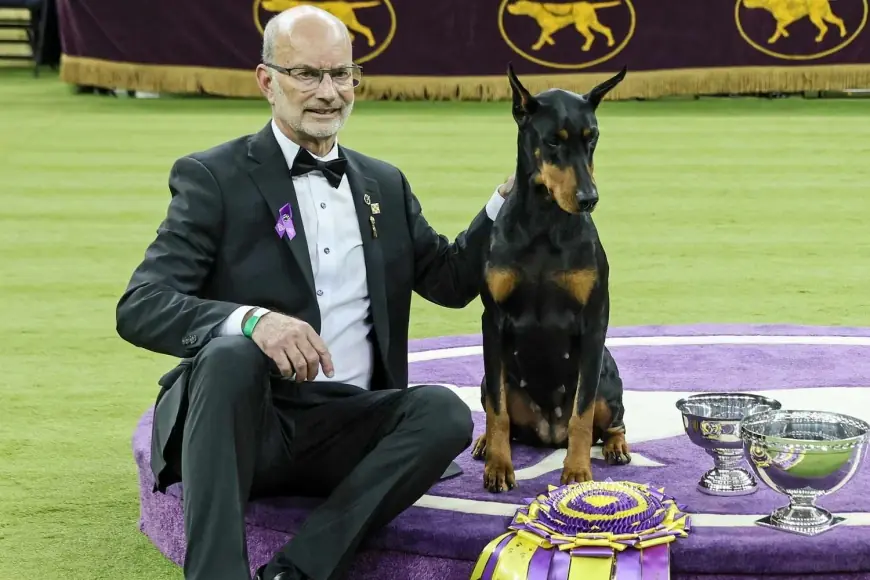
The Westminster Dog Show 2026 ended with a familiar kind of roar: the Working Group’s Doberman pinscher, Penny, surged past a deep field to claim Best in Show at the 150th running of the event. Reserve Best in Show went to Cota, a Chesapeake Bay retriever, giving the finale a distinctly American working-dog flavor even as the show leaned into its modern, multi-venue “Westminster Week” footprint in New York City.
Best in Show was decided on Tuesday, February 3, 2026, in Eastern Time, closing a competition cycle that included multiple days of breed judging and group finals. For fans, the headline is simple: Penny won. But the bigger story is what a victory like this signals for breed visibility, the economics of elite dog sport, and a judging culture that rewards both structure and showmanship under intense lights.
What happened: Best in Show 2026 and the dogs at the center of the spotlight
Penny, a four-year-old Doberman pinscher, won Best in Show at the 150th Westminster Dog Show, the sport’s most recognizable stage in the United States. The runner-up honor, Reserve Best in Show, went to Cota, a Chesapeake Bay retriever, a breed known for power, stamina, and a practical, no-nonsense kind of athleticism.
In a competition like Westminster, the win is never just “the dog looked great.” The dog must move correctly, stand correctly, and present the exact breed outline that judges expect, while also staying composed through noise, cameras, and long waits. The final ring compresses months of preparation into minutes where posture, gait, and expression all matter at once.
Penny the Doberman: why this win resonates beyond one night
Dobermans carry a specific public image: sleek, serious, intense. In the show ring, that image has to be refined into balance and precision. A Best in Show Doberman win puts the breed back into the mainstream conversation, and it tends to do two things at once:
First, it boosts curiosity. People who never considered the breed suddenly want to know temperament, exercise needs, and how the dogs differ from the stereotypes. Second, it raises the stakes for the community around the breed, because visibility draws both thoughtful interest and impulse interest. Responsible breeders, trainers, and rescue networks often see a post-win wave of attention that they have to manage carefully.
Cota the Chesapeake Bay retriever: what Reserve Best in Show says about judging taste
Reserve Best in Show is not a consolation prize. It’s the dog a judge essentially says could have won on another day, under another set of micro-judgments. A Chesapeake Bay retriever placing that high is a reminder that the sporting and working breeds can still break through even when the public conversation fixates on glamour breeds and household-name silhouettes.
It also highlights a subtle tension: Westminster is not a field trial. The Chesapeake Bay retriever’s identity is built on function, yet the ring asks for a precise visual and movement standard. When a “working-first” breed rises to the final two, it signals that the dog delivered both: the look of function and the poise of a show athlete.
Behind the headline: incentives, stakeholders, and what the cameras don’t show
Westminster’s incentives are to preserve prestige while staying culturally relevant. That means leaning into tradition, but also making the show easy to watch, easy to clip, and easy to understand for casual viewers. Breed communities, meanwhile, want credibility: a win is a stamp that shapes breeding decisions, stud demand, and reputations for years.
Handlers and owners have a different pressure: the show ring is a performance layer on top of elite animal care. Grooming, conditioning, travel logistics, veterinary monitoring, and mental steadiness are all part of the package. A “perfect” dog on television is often the outcome of a meticulous routine built to protect health while maximizing presentation.
And then there’s the public, whose incentives are emotional: people want a story they can feel in a few minutes. That’s why a single dog like Penny becomes a symbol of excellence, even though hundreds of teams did the same quiet work without a trophy.
What we still don’t know: the missing pieces that shape how wins land
Even with clear winners, several questions always remain in the immediate aftermath:
-
How the win will shift demand for the Doberman pinscher, and whether messaging around responsible ownership keeps pace
-
Whether the Chesapeake Bay retriever’s high placement will translate into broader recognition for the breed, or fade as a one-year highlight
-
How much the modern event format will continue to expand, especially the “weeklong” approach that spreads attention across multiple competitions and venues
Second-order effects: what changes after a Westminster Best in Show
A Best in Show win can reshape the sport’s ecosystem quickly:
-
Breeding decisions shift toward the winning look, which can be positive when it reinforces soundness, but risky if it encourages chasing fashion over health
-
Rescue and shelter conversations change, because spikes in popularity can lead to mismatched homes and later rehoming
-
Training and handling businesses see increased demand from newcomers who want “a Westminster dog” without understanding the years of development it takes
The most responsible outcome is a win that boosts education as much as it boosts excitement.
What happens next: realistic scenarios to watch
-
Penny’s win becomes a springboard for broader campaign visibility
Trigger: major spring shows and national travel where the dog remains in peak condition and continues to place. -
Doberman interest surges, followed by a backlash conversation about readiness
Trigger: online demand spikes and breed groups respond with stronger public guidance on lifestyle fit. -
Cota’s placement elevates the Chesapeake Bay retriever in sporting-breed conversations
Trigger: breeders and clubs use the moment to highlight the breed’s history and real-world needs. -
The event format continues shifting toward a weeklong festival model
Trigger: strong engagement for non-conformation events and a push to keep audiences involved across multiple days.
Why it matters
Westminster Dog Show 2026 wasn’t just a trophy night. It was a signal flare about how elite dog sport is evolving: more visibility, more storytelling, more scrutiny, and more responsibility. Penny’s Best in Show win will live as a highlight, but the lasting impact will be measured in what comes after the applause: whether excitement translates into better understanding of breeds, better commitment to health, and a healthier relationship between spectacle and stewardship.