























Anthony Davis Trade to the Washington Wizards Reshapes the Mavericks and Ignites Fresh NBA Trade Rumors

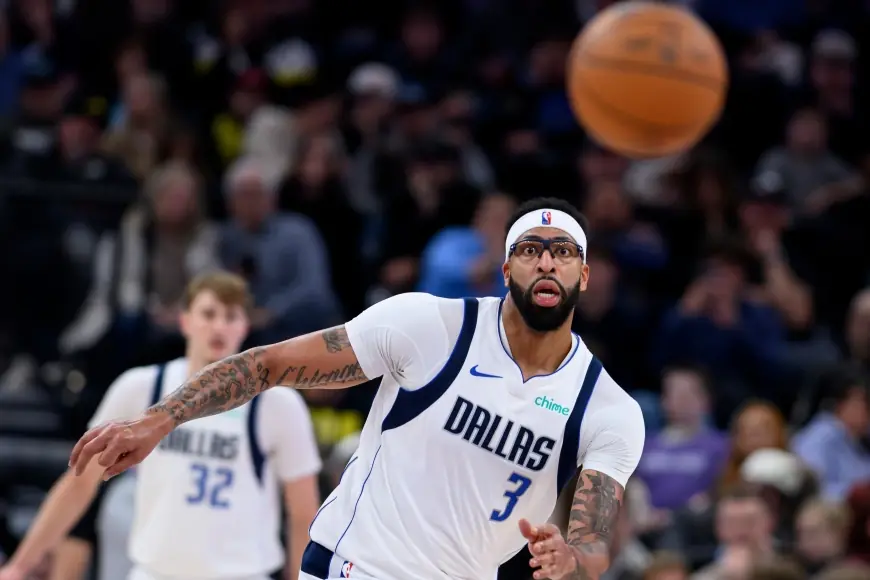
Anthony Davis has been traded to the Washington Wizards in a deadline-shaking move that immediately rewires two franchises and sends ripples through the rest of the league. The deal answers the biggest question fans kept asking in recent weeks, did Anthony Davis get traded, while creating a new one: what direction do the Dallas Mavericks take next with their roster, draft assets, and long-term timeline?
What happened in the Anthony Davis trade
In a blockbuster swap completed on Wednesday, February 4, 2026, the Mavericks moved Anthony Davis to the Wizards as part of an eight-player deal with significant draft compensation involved.
The framework, as widely described across league coverage, has Washington sending out veterans and young pieces including Khris Middleton, AJ Johnson, Malaki Branham, and Marvin Bagley III, along with multiple draft picks. Washington receives Davis and a trio of guards in Jaden Hardy, D’Angelo Russell, and Dante Exum.
For anyone searching variations like “ad traded,” “anthony davis traded,” “anthony davis to wizards,” or “ad to the wizards,” the answer is now straightforward: yes, Anthony Davis is headed to Washington.
Anthony Davis stats and why Dallas moved now
Davis’ 2025 to 26 season production has remained strong when he has been on the floor: about 20 points and 11 rebounds per game with solid rim protection. But availability has been the storyline. A hand injury sidelined him for an extended stretch, and the uncertainty around his health, timeline, and medical outlook hung over Dallas as the trade deadline approached.
That matters because the Mavericks have lived in a constant squeeze between “win now” expectations and roster reality since the earlier Luka Doncic trade that originally brought Davis to Dallas. Pairing a high-salary, high-impact, frequently injured star with a tight cap environment forces hard choices. This trade looks like Dallas choosing flexibility, depth, and future assets over volatility.
Wizards roster and depth chart: where Davis fits in Washington
For the Wizards, this is a swing for a franchise anchor and a clear message that the rebuild is shifting into a more aggressive phase. Davis instantly becomes the team’s best two-way player and a defensive identity on his own.
The roster implications are immediate:
-
Frontcourt: Davis likely slots as the starting center or power forward depending on matchups, with Washington building lineups around his rim protection and rebounding.
-
Guard rotation: Adding Jaden Hardy, D’Angelo Russell, and Dante Exum gives the Wizards more ball handling and shot creation, but also creates real competition for minutes with existing guards.
-
Departures: Moving Khris Middleton clears veteran usage and salary while opening more developmental runway for younger wings and guards. Losing Malaki Branham and AJ Johnson thins out some of that youth pipeline, but it’s the price of acquiring a top-tier star.
For fans searching “wizards depth chart” or “wizards roster,” the simplest read is this: Washington just consolidated a lot of its uncertainty into one very clear centerpiece.
What’s behind the headline: incentives, stakeholders, and the real bet
This trade is not just a talent swap, it’s a timeline swap.
Washington’s incentive is obvious: star power changes relevance. A Davis-led team can sell a credible defensive identity immediately, raise the floor of nightly competitiveness, and reframe the franchise to free agents and future trade partners as a destination with ambition.
Dallas’ incentive is equally practical: reduce downside risk. Davis can be dominant, but the combination of injury uncertainty and a massive contract can box a team into uncomfortable choices. By converting one fragile asset into multiple pieces and picks, Dallas gives itself options to pivot around Kyrie Irving, to reset younger, or to hunt the next star when the market opens.
Stakeholders to watch:
-
Wizards leadership, now accountable for building a coherent roster around Davis rather than collecting prospects
-
Mavericks leadership, judged on whether the return becomes a real competitive core or just a softer rebuild
-
Players like D’Angelo Russell and Jaden Hardy, whose roles could expand dramatically in Washington
-
The wider trade market, because one major move often triggers copycat urgency
What we still don’t know
Several key pieces remain unresolved:
-
Davis’ exact return-to-play timeline and how Washington plans to manage his workload
-
Whether Washington treats this as the final major move or the first domino in a larger reshaping
-
How Dallas uses the new draft capital: immediate reinvestment versus longer-term asset accumulation
-
How this affects lingering NBA trade rumors involving names like Trae Young and other high-usage creators, now that at least one major landing spot has played its hand
What happens next: realistic scenarios with triggers
-
Wizards push for a playoff chase
Trigger: Davis returns quickly and the new guard group stabilizes the offense. Washington becomes harder to score on and steals enough wins to matter late in the season. -
Wizards stay active and flip pieces
Trigger: A rocky fit or too many overlapping guards. Washington could move one of the newly acquired guards for shooting, wing defense, or more picks. -
Mavericks pivot into a retool around flexibility
Trigger: Dallas decides the new assets are better used to reset the roster rather than chase a short-term run. That could mean more deals before the deadline. -
Mavericks re-aim for a second star
Trigger: A star becomes unexpectedly available and Dallas uses picks plus mid-sized contracts to strike again. -
Leaguewide trade market heats up
Trigger: Rival teams respond to the Wizards’ aggressiveness by accelerating their own plans, especially if they fear falling behind in the standings race.
Why it matters
The Anthony Davis to Wizards move is the kind of trade that changes how every front office calibrates risk: health versus upside, star consolidation versus depth, present competitiveness versus future optionality. For Washington, it’s a statement that the franchise wants to matter now. For Dallas, it’s a bet that optionality beats fragility.
Either way, the next week of NBA trade rumors just got louder.