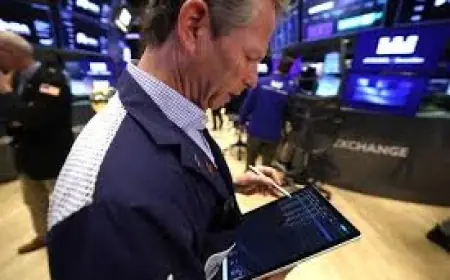

























Silver price today tumbles in volatile trade; futures swing hard as investors unwind positions and watch the dollar

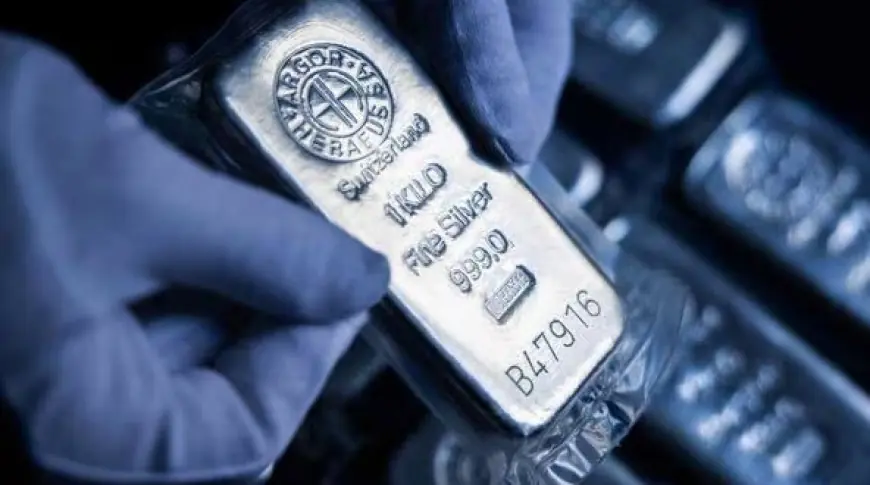
Silver prices sank Thursday as a stronger U.S. dollar and aggressive position-cutting hit precious metals again, extending a week of whipsaw moves that has repeatedly punished both late buyers and short sellers. The slide came after silver’s recent surge to record territory, with traders now treating the market less like a steady hedge and more like a high-volatility momentum trade.
Silver’s latest plunge and intraday swing
By 6:56 a.m. ET, spot silver was $78.50 per ounce, down 10.8% on the session after being down nearly 17% earlier in the day. The intraday low was around $73.41, illustrating how quickly liquidity can vanish when leveraged positions are forced to exit.
| Time (ET) | Spot silver (USD/oz) | Session low (USD/oz) | Intraday move |
|---|---|---|---|
| 6:56 a.m. | 78.50 | 73.41 | down 10.8% (was down ~17%) |
The size of the swing matters as much as the direction: the market has been snapping from “panic sell” to “short-cover rally” and back again within hours, making price levels feel temporary.
Why the dollar is pressuring silver
The U.S. dollar rose to a roughly two-week high, and that tends to weigh on dollar-priced metals by making them more expensive for non-U.S. buyers. On days when risk appetite also fades, a firmer dollar can pull capital toward cash-like safety and away from hard assets—especially when recent gains have been driven by speculative flows rather than steady physical demand.
Silver is often more sensitive than gold in this setup because it trades as a hybrid: part monetary metal, part industrial input, and often a preferred vehicle for leveraged bets when volatility spikes.
The unwind: leverage, margin, and “aftershocks”
Thursday’s drop is also being read as an aftershock from last week’s historic turbulence, when precious metals swung violently after sprinting to record highs. Silver’s smaller market depth means forced selling can snowball: a fast decline triggers margin calls, which triggers more liquidation, which triggers another leg lower.
Traders have also been watching heavy selling in futures markets—particularly in Asia—alongside signs that attempts to push back above key resistance levels failed, inviting momentum sellers to press the downside. Once the tape turns disorderly, even supportive macro signals can get ignored in the short run.
Geopolitics cools, and “hard-asset urgency” fades
Another ingredient Thursday: reduced geopolitical risk premiums. Recent headlines pointing to easing tensions—along with broader weakness across commodities—encouraged a rotation out of “hard assets” that had benefited from safety-driven buying. In that environment, silver can fall even if the longer-term case for precious metals remains intact, simply because near-term positioning became crowded and vulnerable.
This is why silver can look “less safe-haven” than expected on certain days: it may still serve as protection over longer horizons, but in the middle of a crowded trade, it behaves more like a leveraged risk asset.
What to watch next: key levels and the path to calmer trade
The immediate question is whether silver can stabilize in the mid-$70s to low-$80s zone after repeatedly failing to hold rebounds. Two near-term signals to monitor:
-
Dollar follow-through: If the dollar keeps firming, it can keep pressure on metals even if bond yields slip.
-
Volatility compression: Silver needs quieter sessions—smaller intraday ranges, fewer air pockets—before discretionary buyers regain confidence.
If selling eases and prices stop slicing through support levels intraday, the market may begin rebuilding two-way liquidity. If not, the risk remains that another wave of forced de-risking produces fresh lows before the trade finds equilibrium.
Sources consulted: Reuters; Business Insider; CME Group; Kitco