




















Woody Allen and Bechet Allen: Why a Quiet Family Figure Is Back in the Spotlight as the Director Eyes a New 2026 Film

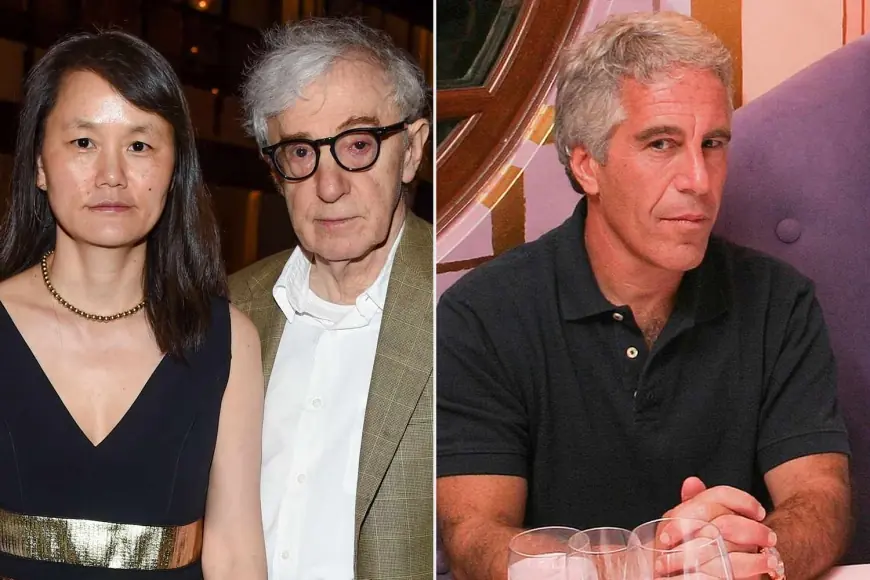
Woody Allen is again drawing fresh attention in early 2026, not only because of a reported plan to make another feature film in Spain later this year, but also because public curiosity keeps circling back to his family, including his daughter Bechet Allen. The renewed focus blends two familiar forces: interest in Allen’s next creative move and continued scrutiny of his personal life, which has remained controversial for decades.
What happened: a new 2026 Woody Allen film plan pulls his personal orbit into view
In recent months, details have circulated about Allen developing a new film tied to Madrid, with public funding requirements that the project visibly feature the city and carry the name in its title. That prospective return to production has reignited the usual questions about Allen’s current standing in the film world, where his ability to finance and distribute projects has faced headwinds in the United States even as some overseas backers have remained willing to participate.
As that discussion heats up, people often search for and discuss the director’s immediate family, including his wife Soon Yi Previn and their daughters, Bechet and Manzie. Bechet Allen, in particular, tends to draw attention because she has kept a notably low public profile compared with the level of fame and controversy surrounding her parents.
Who is Bechet Allen and why people keep asking about her
Bechet Allen is one of the two adopted daughters of Woody Allen and Soon Yi Previn. She is in her mid to late twenties and has generally stayed out of public-facing entertainment work in a sustained way, which only increases curiosity in a celebrity ecosystem that expects children of famous figures to be visible.
There have been occasional public traces of Bechet’s presence, but no consistent pattern of headline-seeking activity. That quiet approach stands in contrast to the intensity of public interest around Allen himself, and it creates a recurring dynamic: any small appearance, credit, or mention can get amplified far beyond its practical significance.
What’s behind the headline: incentives, stakeholders, and a familiar reputational tug-of-war
This story persists because the incentives are structural.
Allen’s incentive is to keep working. At his age, each new project can be framed as a “final film,” which heightens attention, drives debate, and can help secure financing. For backers and local film authorities, the incentive is often economic and promotional: a recognizable name can attract production spending, tourism imagery, and global visibility for a city.
Stakeholders include:
-
Spanish cultural and political officials who must justify public investment and manage backlash
-
Film financiers and distributors weighing commercial upside against reputational risk
-
Cast and crew deciding whether to attach their names to a project that will be debated before it even premieres
-
Allen’s family members, including Bechet Allen, who have little control over public narratives but can still become part of them
The reputational tug-of-war remains the central second-order effect. Any announcement of a new Allen film tends to revive long-running allegations he has denied and that others have continued to assert. That cycle can shape hiring decisions, promotional plans, festival invitations, and ultimately whether the project becomes a mainstream cultural event or a niche release with limited visibility.
What we still don’t know
A few key unknowns will determine whether this becomes a major 2026 entertainment story or a quieter footnote:
-
Whether the Madrid-linked project proceeds on the expected timeline or faces delays
-
Who joins the cast and how recognizable those names are to American audiences
-
How the film is positioned for release: festival-first, limited theatrical, or something else
-
Whether any part of Allen’s family, including Bechet Allen, appears publicly around the production or remains entirely private
-
How officials and cultural institutions respond if public criticism intensifies
What happens next: plausible scenarios and triggers
-
Production moves forward with minimal public visibility
Trigger: financing stays intact and the cast avoids major controversy, keeping attention focused on the film itself. -
The project becomes a political flashpoint in Spain
Trigger: organized pushback over public funding grows louder, forcing officials to defend the investment and terms. -
Distribution becomes the primary battleground
Trigger: even if the film is completed, release partners may be cautious, shaping how widely audiences can actually see it. -
Family interest spikes briefly, then fades
Trigger: a rare public appearance or credit involving Bechet Allen prompts a short burst of attention, followed by a return to privacy. -
The conversation broadens into a wider industry referendum
Trigger: high-profile actors, festivals, or institutions take a visible stance, turning one project into a proxy debate about accountability and artistic legacy.
Why it matters
The reason “Woody Allen” and “Bechet Allen” keep surfacing together is less about any specific action by Bechet and more about how celebrity gravity works: even private relatives can be pulled into public narratives when a famous figure returns to the spotlight. If Allen’s Madrid project advances in 2026, the film will not be judged only as a movie. It will be judged as a cultural decision by everyone who funds it, makes it, distributes it, and promotes it, with family members often catching collateral attention simply because they share the frame.