

























Peter Thiel back in the spotlight on Palantir surge, California tax fight, and new disclosures

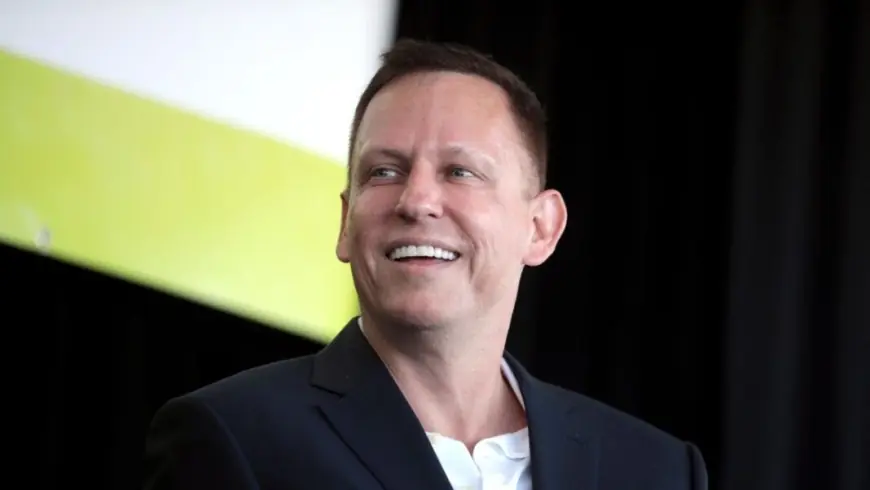
Peter Thiel’s name is popping up across three very different storylines at once: a sharp move in Palantir shares after the company’s latest results, a fresh political spending push aimed at blocking a proposed California “billionaire tax,” and renewed scrutiny after newly released government records revived attention to Epstein-era contacts and conversations involving prominent tech figures. Together, the developments underline how Thiel’s influence spans markets, politics, and the broader debate over technology’s role in government.
Palantir’s latest results pull Thiel into the market narrative
Palantir’s shares jumped on Tuesday, February 3, 2026, after the company reported a strong quarter and reiterated its outlook for 2026 revenue growth. While Thiel is no longer the day-to-day face of Palantir, he remains one of its most visible founders, and the company’s fortunes continue to shape how investors talk about the broader “AI meets national security” theme.
The rally also amplified an already-heated conversation around government demand. Palantir’s recent contract wins and its positioning around defense and surveillance-adjacent software remain central to its growth story—and a frequent target of criticism from privacy advocates. That tension is part of why Palantir’s earnings updates tend to spill beyond finance circles and into politics and policy debates.
A $3 million move against California’s proposed billionaire tax
In California, Thiel has re-emerged as a significant donor in the fight over a ballot initiative that would impose a one-time wealth tax on people worth more than $1 billion, payable over several years. Public records show a $3 million contribution tied to organized opposition to the measure, marking one of his largest disclosed political checks in recent years.
The proposal is still in the signature-gathering stage, and it faces an uphill organizational and legal path even before voters weigh in. Still, the early money matters because it signals the scale of the counter-campaign that could form if the initiative qualifies. For Thiel, who has long had a complicated relationship with California politics and culture, the fight doubles as a statement about how aggressively high-tax states can pursue ultra-wealthy residents—and how aggressively those residents will respond.
Thiel Macro filings draw attention to a reshuffled portfolio
Separately, Thiel’s hedge fund, Thiel Macro, has drawn fresh attention through recent disclosures that show meaningful shifts in its public equity holdings. The filings highlight large positions concentrated in a small number of mega-cap names and notable reductions in exposure to some high-flying tech stocks.
Portfolio moves like these are often over-interpreted, but they do feed a recurring narrative around Thiel’s macro worldview: a preference for concentrated bets, skepticism about consensus trades, and a willingness to reposition quickly when the risk-reward math changes. The headlines also arrive at a moment when investors are unusually sensitive to signals from prominent tech financiers, as AI-driven momentum trades and rate expectations continue to swing markets.
Epstein-related disclosures add reputational heat, without criminal allegations
A third thread pulling Thiel into the spotlight comes from newly released government records connected to Jeffrey Epstein. Within the materials, an undated recorded conversation includes Epstein discussing a desire to meet Thiel and referencing Palantir, while also speculating about potential connections involving other figures. The records do not, by themselves, establish that a meeting occurred or that any wrongdoing took place.
This is the tricky terrain that large-scale document releases create: names appear in conversations, emails, and notes that reflect aspirations, gossip, or unverified claims rather than confirmed events. Even so, the appearance of a high-profile name can generate immediate reputational impact—especially when the records touch on Epstein, whose history remains a flashpoint.
Why these storylines converge now
What ties these seemingly unrelated episodes together is power infrastructure. Palantir’s market surge spotlights Thiel’s long-standing bet that data platforms built for government-scale problems will become central to the AI era. The California ballot fight highlights the defensive politics of extreme wealth in an environment of fiscal strain and voter anger. The Epstein-adjacent disclosures demonstrate how reputational risk can travel across decades when archives become searchable and fragments go viral.
Key takeaways for the weeks ahead
-
Palantir’s next guidance update and contract announcements will keep the company, and by extension Thiel, in the national security and AI conversation.
-
The California wealth-tax initiative’s signature and legal milestones will determine whether the political battle escalates into a full-scale statewide campaign.
-
Additional document releases or clarifications could either add context to the Epstein-related material or fade as attention shifts to more concrete policy and market developments.
Sources consulted: Reuters, The Guardian, Fortune, WIRED