

















Should the Sixers Regret Skipping Quentin Grimes’ Long-Term Contract?

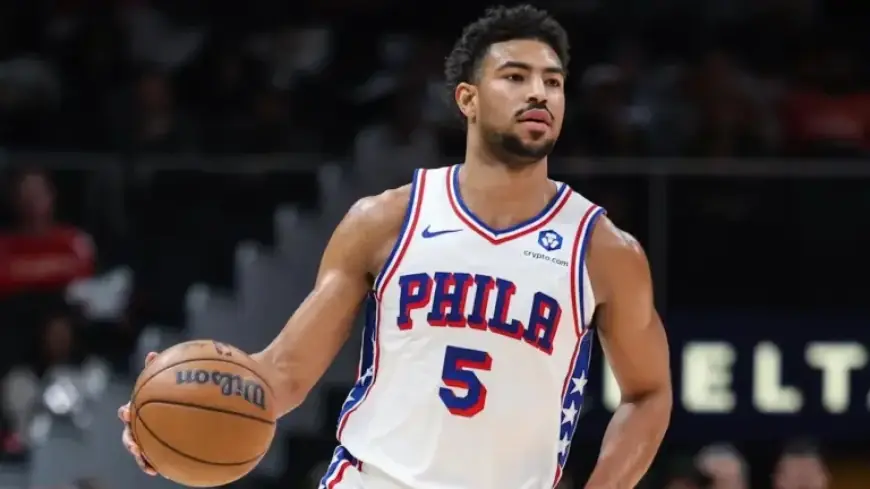
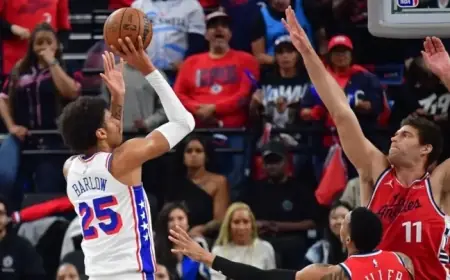
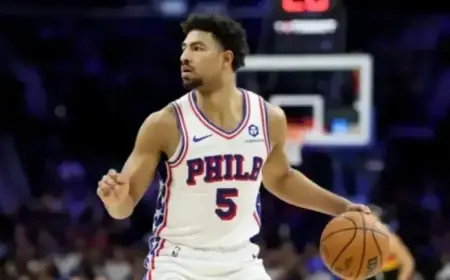
The Philadelphia 76ers faced a significant decision this past offseason regarding Quentin Grimes. They had the option to secure a long-term contract with the promising guard or to opt for a lowball offer. Ultimately, the Sixers chose the latter, leaving Grimes with a one-year qualifying offer of $8.7 million. This situation raises the question: Should the Sixers regret skipping Quentin Grimes’ long-term contract?
Background on Grimes and His Contract Negotiations
Quentin Grimes’ former representation initially sought a lucrative contract. Reports indicated that Grimes aimed for an average annual salary of between $20 and $25 million. However, the Sixers’ offers fell far short of this expectation. They suggested a four-year contract worth $39 million, which was quickly denied. They later proposed a one-year offer of $8.8 million, only slightly above the qualifying offer.
Reactions from Grimes’ Camp
Grimes’ camp responded to the offers with counterproposals. They presented a one-year deal valued at $17 million or a two-year contract for $34 million, including a player option for the second year. Both were declined by the Sixers, who expressed concerns about the financial risks of a multi-year agreement given their existing commitments to star players like Joel Embiid, Paul George, and Tyrese Maxey.
Potential Consequences of the Decision
The ramifications of the Sixers’ decision to not sign Grimes to a longer contract may become evident by the NBA trade deadline on February 5. By opting for the qualifying offer, Grimes retains the right to veto any trades this season. If he moves to another franchise, his full Bird rights will not transfer, limiting the financial opportunities for potential new teams.
Impact on the Sixers’ Trade Prospects
This decision places the Sixers at a disadvantage. Grimes’ current $8.7 million contract restricts their flexibility in trade scenarios. The team is less than $1 million away from exceeding the first apron of $195.9 million after signing Charles Bassey to a short-term contract. Accepting additional salary via a trade could hard-cap the team, making it challenging to maneuver.
- Current Salary Cap Status: Less than $1 million below the first apron
- Grimes’ Contract: $8.7 million one-year qualifying offer
- Potential Trade Challenges: Hard-capped if they take back more salary than they send out
The Sixers’ refusal to offer Grimes a contract in the $15–20 million range limits their options considerably. They will likely be unable to pursue higher-value players due to their tight salary structure, resulting in a focus on minimum contracts instead.
Evaluating Grimes’ Recent Performance
The Sixers’ concerns about Grimes’ long-term viability might seem justified. This season, his performance has declined significantly. After averaging 21.9 points, 5.2 rebounds, and 4.5 assists per game last season, his numbers have dropped to 13.3 points, 3.8 rebounds, and 3.7 assists this season.
Given his reduction in production, Grimes may be better suited for salaries closer to the non-taxpayer mid-level exception. The Sixers could potentially have offered a two-year, $30 million option or a three-year, $45 million contract, allowing them to remain below the salary cap’s second apron while providing more flexibility at this year’s trade deadline.
Conclusion
The Sixers’ decision to forgo a long-term contract with Quentin Grimes could pose challenges as they approach critical trade deadlines. Without a suitable contract, their trading leverage has diminished considerably, posing risks as they navigate their current roster and salary cap constraints. As the season progresses, the implications of this choice will become increasingly apparent.