

























Affordable Chinese EVs Expected to Succeed in Canada

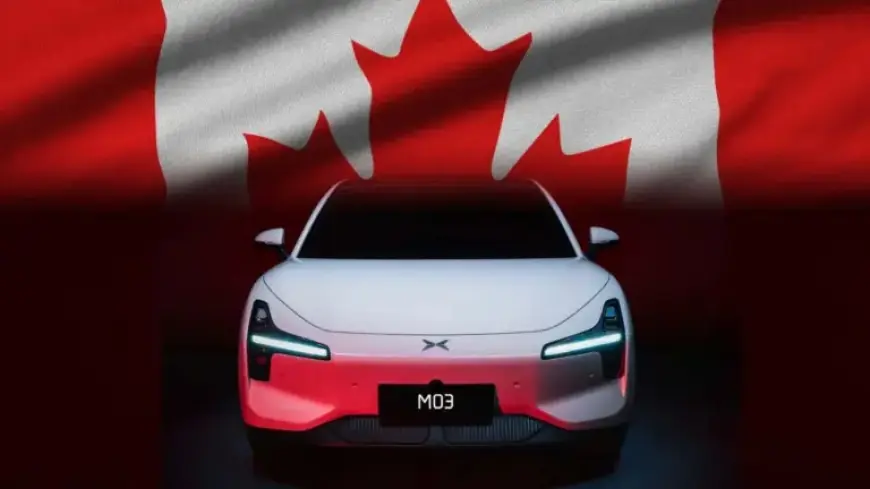
Canada is set to welcome a wave of affordable Chinese electric vehicles (EVs), with plans to import up to 49,000 units in the first year and a goal of 70,000 by the fifth year. This initiative aligns with the Canadian government’s aim to attract investments from Chinese makers. The strategy comes amidst ongoing tensions with the U.S., which has imposed restrictions on Chinese cars.
Importing Affordable Chinese EVs
The Canadian government is actively lowering tariffs on EVs priced around $35,000 CAD (approximately $25,000 USD). This pricing threshold could allow various Chinese brands to enter the Canadian market, although specific manufacturers have yet to be confirmed. By making electric imports more accessible, Canada is positioned to experience a significant shift in its automotive landscape.
Potential New Entrants to the Market
Several notable Chinese EVs might capture the interest of Canadian drivers:
- BYD Seagull: A compact hatchback with a spacious design, traditionally priced around $8,000 in China but likely to be modified for North American standards.
- Xpeng Mona M03: A front-wheel-drive sedan touted as a potential competitor to the Tesla Model 3, priced around $16,000 in China.
- Dongfeng Nammi 06: A subcompact crossover offering 181 horsepower, likely to be priced under $25,000 CAD.
- GAC Aion UT: A hatchback expected to parallel the Chevrolet Bolt, with a competitive battery size and performance.
- Leapmotor B10: A crossover targeting family-oriented buyers with a spacious interior and an estimated price point just above $25,000 CAD.
- Wuling Bingo S: Attractively priced below $10,000, this small hatchback could potentially be sold under familiar brands like Chevrolet in Canada.
Market Insights
Canadians typically favor smaller vehicles over larger trucks, indicating a strong market for compact EVs. The influx of affordable models could level the playing field for electric cars against traditional internal combustion engine (ICE) vehicles. Analysts suggest that the success of these imports might hinge on well-established partnerships or joint ventures with local manufacturers.
Ultimately, the anticipated integration of Chinese EVs into Canadian roads may signal a transformative era for the North American automotive industry. The choices available could cater to the growing demand for affordable electric options, thus promoting a vibrant EV market across Canada.