





















Trump and India End Trade War, but Peace Terms Remain Unclear

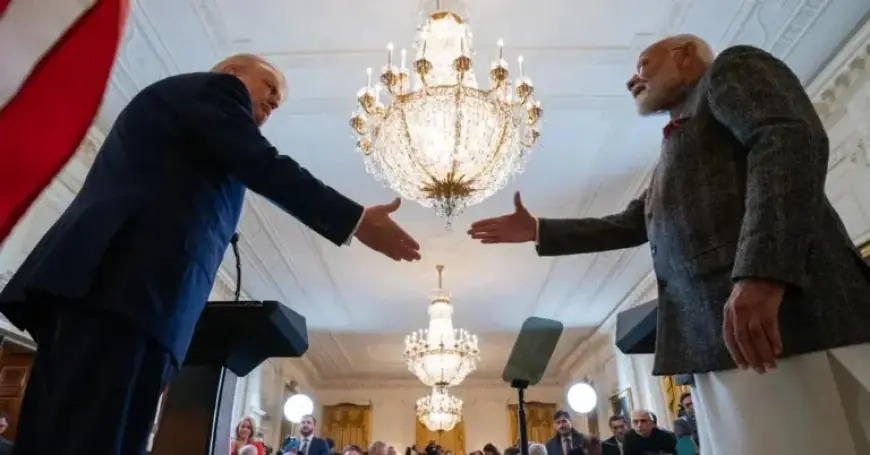
The economic tensions between the United States and India officially ended earlier this week, following announcements from both President Donald Trump and Prime Minister Narendra Modi. The trade conflict had its roots in tariffs but quickly expanded to include a variety of geopolitical issues.
End of the Trade War: Key Developments
President Trump declared the trade war over with a pair of social media posts. He mentioned, “Our amazing relationship with India will be even stronger.” Alongside this declaration, he announced a reduction in the reciprocal tariff on Indian goods from 25 percent to 18 percent. However, many Indian goods previously faced a towering 50 percent tariff imposed in August.
Reactions to the Announcement
Prime Minister Modi responded positively, labeling the deal as a means to unlock “immense opportunities” for both nations. Despite the positive reception, several terms of this agreement remain unclear. For instance, President Trump stated that India consented to invest $500 billion in the U.S., yet Indian officials did not confirm this claim.
Market Response
- Asian markets reacted favorably, with Indian stocks rising nearly 3 percent.
- Nisha Biswal from the Asia Group noted that the resolution removes a significant irritant in U.S.-India relations.
Trade Negotiations and Tariff Details
The recent communication suggests an intent to further cooperate on trade, particularly regarding tariffs and non-tariff barriers. Trump indicated that India would aim to reduce these barriers to zero in exchange for the newly established tariff rate. Currently, India imposes an average tariff of 12 percent on U.S. goods.
Concerns Over Trade Barriers
Experts are skeptical about India’s capacity to eliminate all barriers, with U.S. dairy products being a contentious issue. Furthermore, agriculture imports from the U.S. may still face significant restrictions.
India’s Relationship with Russia and Oil Imports
Additionally, Trump claimed that India agreed to decrease its Russian oil imports and increase purchases from the U.S. and possibly Venezuela. Historical data indicates that Indian imports of Russian oil have decreased but remain steady amid geopolitical tensions.
Future Implications
The future of U.S.-India trade relations hinges on the clarity and execution of the announced terms. As this situation develops, the commitment from India to spend on U.S. goods could reshape bilateral trade relations significantly.
Overall, while the trade war between Trump and India is officially over, vital questions regarding the specifics of the new agreements remain unanswered. Continued dialogue will be essential to ensure that both countries can reap the benefits and address the underlying issues that led to previous conflicts.