

























India’s S-500 Ambitions Reshape Asian Security Dynamics

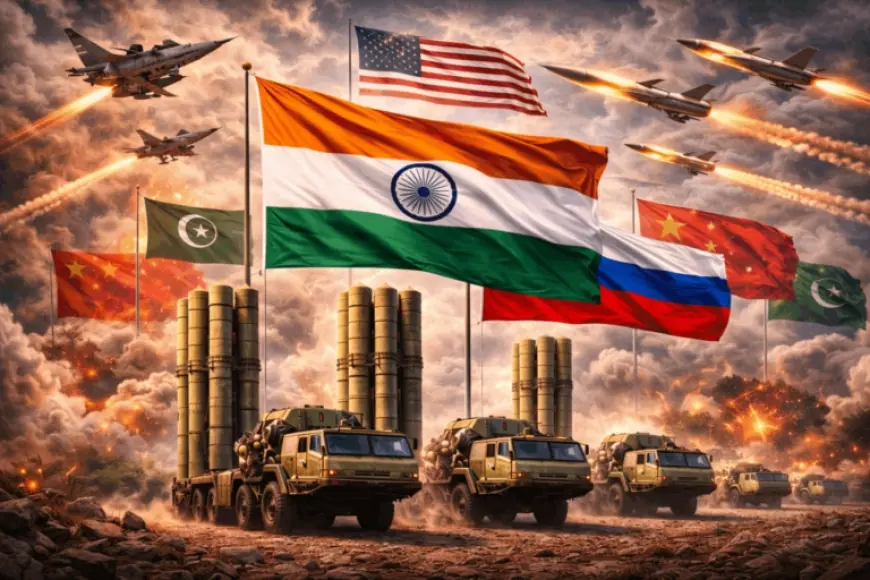
India is strategically enhancing its missile defense capabilities with the anticipated introduction of the S-500 system. This advancement is reshaping the security dynamics across Asia and poses new challenges for regional stability.
Understanding the S-500 Missile Defense System
The S-500, developed by Russia, represents a leap in missile defense technology. It is designed to counter various aerial threats, including ballistic and hypersonic missiles. India’s involvement in this program underlines its commitment to strengthen its defense infrastructure.
Key Features of the S-500
- Advanced interception capabilities against multiple missile types.
- Extended range, allowing for early threat detection.
- Integration with existing Indian defense systems for enhanced effectiveness.
Impact on Regional Security Dynamics
The introduction of the S-500 is expected to significantly affect neighboring countries’ security strategies. India’s growing defense posture may incite a response from rival nations, particularly China and Pakistan.
Reactions from Neighboring Countries
- China: Increased military modernization efforts to counterbalance India’s advancements.
- Pakistan: Potentially accelerating its missile development programs.
Strategic Partnerships and Collaborations
India’s acquisition of the S-500 reflects its broader strategy of forming strong defense partnerships. Collaborations with Russia, along with efforts to engage with Western nations, are pivotal for India’s defense agenda.
Potential Collaborations
- Joint exercises to enhance operational readiness.
- Technology sharing agreements to improve indigenous defense capabilities.
Conclusion
India’s S-500 ambitions are reshaping Asian security dynamics. As regional tensions persist, the implications of this missile defense system will be closely watched. The balance of power in Asia may hinge on how countries respond to India’s enhanced capabilities.