Bad Bunny’s Grammy Triumph: Impact on Latinos in America and Worldwide

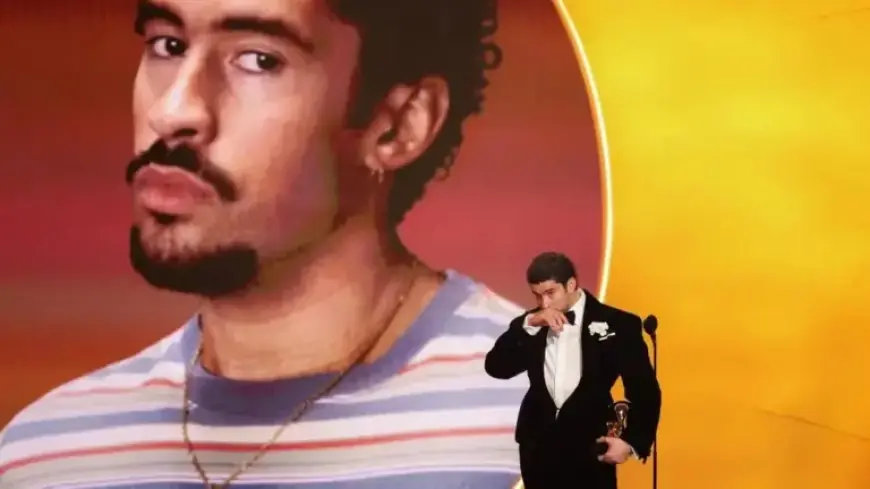
Bad Bunny’s recent Grammy win marks a significant milestone for Latino representation in the United States and beyond. The Puerto Rican artist, born Benito Antonio Martínez Ocasio, captured the Grammy for Album of the Year with his groundbreaking album titled “Debí Tirar Más Fotos” (“I Should Have Taken More Photos”). This achievement is particularly historic as it marks the first time a primarily Spanish-language album has won this prestigious honor.
Bad Bunny’s Historic Grammy Win
During the ceremony, Bad Bunny expressed gratitude towards his culture and community. He dedicated his award to those who have faced adversity and displacement. His poignant message resonated deeply, especially in light of current societal challenges faced by immigrant communities. As he stood on stage in tears, he symbolized the hopes and struggles of countless individuals seeking recognition and equality.
A Voice for the Voiceless
Bad Bunny’s heartfelt acceptance speech included a strong stance against the ongoing immigration policies of the Trump administration. He proclaimed, “ICE out. We’re not savages. We’re not animals. We’re not aliens,” transforming his moment of personal triumph into a rallying cry for justice and unity. This declaration underlined the stark contrast between his recognition in the music industry and the harsh realities many Latino families endure.
Impact on Latino Communities
His win has ignited discussions about the representation of Latinos in mainstream media. Bad Bunny acknowledges the resilience of his community, stating, “Hate gets more powerful with more hate. The only thing more powerful than hate is love.” This sentiment embodies the essence of his album, which reflects nostalgia, loss, and the importance of preserving cultural memories.
Bad Bunny’s Cultural Significance
Through his music, Bad Bunny has brought attention to the rich cultural heritage of Latin America. He has articulated the stories and emotions of those who have come before him, including legends like Marc Anthony and Celia Cruz. His Grammy win is not just for him; it symbolizes a broader acknowledgment of Latino contributions to American music and culture.
Looking Ahead
As Bad Bunny prepares to perform at the Super Bowl Halftime show, he continues to amplify his message. His journey exemplifies the power of art to unite and inspire. His Grammy victory not only celebrates his individual talent but also highlights the growing influence of Latinos in mainstream entertainment.
Conclusion
Bad Bunny’s historic Grammy triumph has created a ripple effect, encouraging conversations about identity, belonging, and the importance of representation. He reminds us that despite the challenges faced by Latino communities, their voices and contributions are powerful and deserving of recognition.