Gerardo Taracena, Apocalypto actor, dies at 55

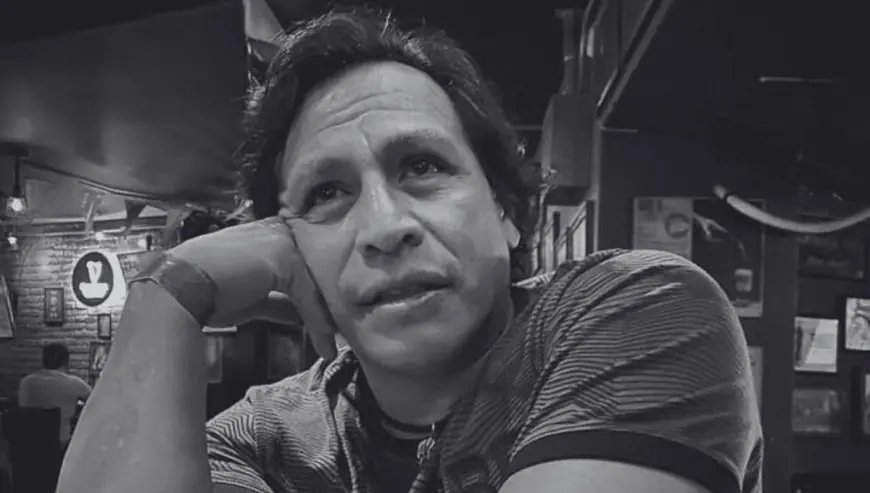
Gerardo Taracena, a Mexican actor and dancer known for an intense screen presence and a career spanning film, television, and stage work, died on Saturday, Jan. 31, 2026, at 55. His death was confirmed through Mexico’s national actors’ guild. The cause of death has not been publicly disclosed, and no official details have been released about medical circumstances or the events surrounding his passing.
Taracena became widely recognized outside Mexico through Apocalypto, and he remained a familiar face to audiences who followed Mexican cinema and long-running television dramas. In the hours after the announcement, tributes and remembrances focused on his physicality as a performer and the kind of “scene weight” he could bring even in supporting roles.
What is known about the cause
At this time, publicly available information is limited to confirmation of Taracena’s death and condolences from the professional community. No verified public statement has provided a cause, and there have been no official details about hospitalization, illness, or other circumstances.
Online speculation has circulated, but none of it is confirmed in verifiable public records. For people asking, “What did he die of?” the only accurate answer right now is that it remains unclear. In many cases, further details depend on whether family members or representatives choose to share information in the days following a death. If they do not, the reason may remain private.
Why Apocalypto shaped his legacy
For international audiences, Apocalypto is the title most closely linked to Taracena. The film’s style relies heavily on physical performance—movement, reaction, and stamina—and Taracena’s work fit that approach. Viewers often remember the energy he brought to the screen, and how sharply his presence registered within a story driven as much by gesture and tension as by spoken dialogue.
That physical command also connected to another part of his background: dance. Performers with dance training frequently bring a particular precision to pacing, posture, and screen rhythm. In Taracena’s case, that foundation helped him stand out in roles that demanded intensity, quick emotional shifts, and convincing embodiment of threat or urgency.
A career across film, TV, and stage
Taracena’s career extended beyond one breakout credit. He worked in Mexican productions and in high-profile series that reached broad audiences across the region, often taking on supporting characters that add texture—figures who clarify a story’s stakes, complicate a protagonist’s choices, or pull a scene into sharper focus.
Among projects frequently cited by fans are Narcos: Mexico, El Infierno, Man on Fire, and La Reina del Sur. The variety of those titles points to his range: crime stories, social drama, and high-tension narratives where a grounded performance can make a plot feel immediate.
That versatility also explains why news of his death resonated across different audiences. Some recognized him from a single film; others followed his television work for years; still others knew him through the theater world and the reputation that comes from consistent craft rather than headline billing.
Reaction and what may follow
In the coming days, more formal remembrances may appear—messages from colleagues, curated retrospectives of his work, and possibly a memorial event if organized by the family or professional organizations. Public information about funeral services may also be shared, but it is not guaranteed.
The other near-term question is whether any official clarification emerges regarding the cause of death. If a statement is released, it will likely come through family representatives or a formal notice from an institution connected to his career. Until then, the lack of confirmed details will continue to leave a gap between public curiosity and what is actually known.
The mark he leaves on Mexican acting
Taracena belonged to a generation of performers who built careers through steady work and high professional standards: taking difficult parts, committing fully to gritty material, and delivering credibility without needing to be positioned as a celebrity. Many of the strongest working actors occupy that space—high impact, sometimes under the radar, essential to the quality of the productions they join.
His death leaves two realities side by side: an unanswered question about the circumstances, and a clearer truth about his work. Taracena’s performances—especially in physically demanding and emotionally charged roles—remain part of a notable era of contemporary Mexican film and television, and they are likely to be revisited as audiences rediscover the projects that made him memorable.
Sources consulted: Asociación Nacional de Actores (ANDA), Univision, Milenio, Wikipedia