





















Melania movie reviews savage the glossy documentary as ratings crater on opening day

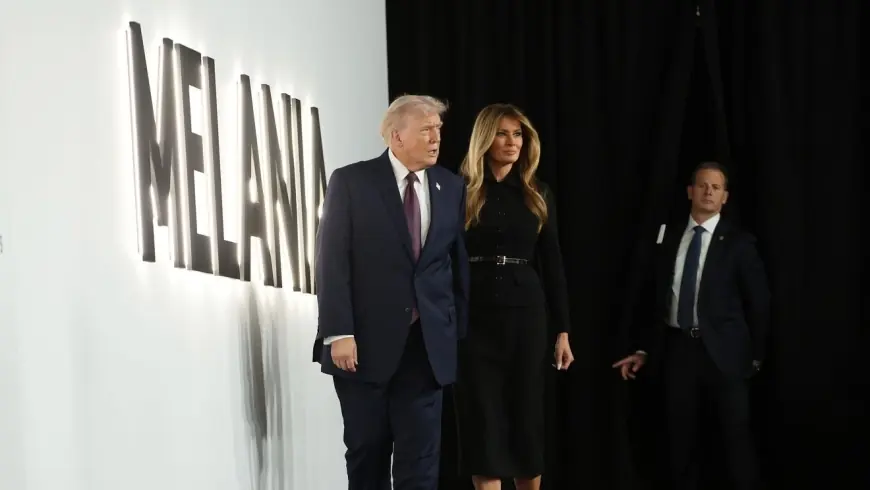
Melania movie reviews turned unusually harsh within hours of the film’s wide theatrical release on Friday, Jan. 30, 2026 (ET), with multiple high-profile critics calling the project less a revealing documentary than a tightly controlled, luxury-brand portrait. The blowback has been intensified by a splashy premiere at Washington’s Kennedy Center the night before, a blockbuster-sized marketing push, and a wave of extreme user ratings that has raised questions about review-bombing.
The result is a launch that’s become a culture-war magnet: discussion is as much about why the film exists and how it’s being sold as it is about what’s actually on screen.
Melania movie reviews: why critics are panning it
The dominant critical theme is that the film looks expensive but feels hollow. Reviewers repeatedly describe a slick, curated aesthetic—black-and-white imagery, high-end fashion and event prep, and cinematic lighting—paired with what they argue is a lack of genuine access, introspection, or narrative stakes.
Several critics also frame the documentary as a piece of image management rather than reporting: a project that offers proximity to its subject without the friction that would produce new understanding. In practice, that means long sequences of preparation and atmosphere, while the political and personal context stays muted or abstract.
A second throughline is tone. Reviewers describe the film as self-serious and reverential, sometimes to the point of feeling like promotional content. Even sympathetic write-ups tend to note that the documentary’s “inside look” rarely breaks through its own staging.
What the film actually shows on screen
The documentary follows Melania Trump through roughly 20 days leading up to the inauguration and her return to the White House, leaning heavily on voiceover and observational sequences rather than traditional “talking head” interviews.
The structure is closer to a mood piece than a reporting-driven biography: fittings, meetings, set-ups, and “day-of” logistics are treated as dramatic beats. That approach can work when it reveals character under pressure, but much of the criticism argues the film keeps the subject at a distance—viewers watch the process without feeling they learn the person.
The film’s marketing and premiere messaging have emphasized emotion and style, and the finished product reflects that positioning: it wants to be cinematic first, explanatory second.
Budget and promotion become part of the story
The film’s price tag has become inseparable from its reception. Reports around the release describe a rights/licensing payment in the neighborhood of $40 million plus a marketing campaign commonly cited around $35 million, figures that are extraordinary for a documentary-style project.
That scale has driven two competing interpretations:
-
Supporters argue the spending reflects top-tier production values, music, and a feature-plus-episodes approach.
-
Critics argue the money amplifies the perception that the film is designed as a prestige messaging vehicle, not an investigative or independent documentary.
Either way, the marketing volume has raised the stakes: when a film is sold like an event, reviewers are more likely to judge it like one.
Ratings whiplash and the review-bombing problem
Online ratings have been volatile, with large volumes of one-star reactions appearing quickly. That pattern is common for polarizing political subjects and makes it hard to read early user scores as a clean measure of actual audience sentiment.
Here’s a snapshot of where prominent tracking sites were being discussed by Friday evening, Jan. 30, 2026 (ET), as covered in entertainment reporting (numbers can move quickly over the weekend):
| Metric | Early opening-day snapshot |
|---|---|
| Rotten Tomatoes critics score | Single digits (reported around 8–10% early evening) |
| Rotten Tomatoes review count | About 10 critic reviews at that time |
| Letterboxd average | Roughly 1.2/5 reported |
| Tone of user activity | Heavy spikes consistent with review-bombing/counter-bombing |
The key caution: early aggregates can reflect mobilized online behavior as much as genuine, broad viewing—especially on day one, before a normal-sized audience has even had time to buy tickets.
What happens next: box office, streaming, and whether the narrative shifts
Near-term, the film’s story will be shaped by two scoreboards:
-
Theatrical turnout this weekend. If the movie overperforms despite critical drubbing, the narrative shifts to “critics vs. audience demand.” If it opens quietly, the reviews become the headline.
-
The streaming release window. The project is expected to land on a major streaming platform a few weeks after its theatrical start, which could massively expand viewership and either soften or harden public opinion once more people can watch without paying premium ticket prices.
By late February, the early question may change from “Is it good?” to “Did it work?”—meaning, did it succeed at shaping perception, generating attention, and driving viewership despite near-universal critical hostility.
Sources consulted: The Guardian; The Daily Beast; The Atlantic; People; Deadline; The Verge