























U.N. Faces Financial Crisis Due to Unpaid Member Dues

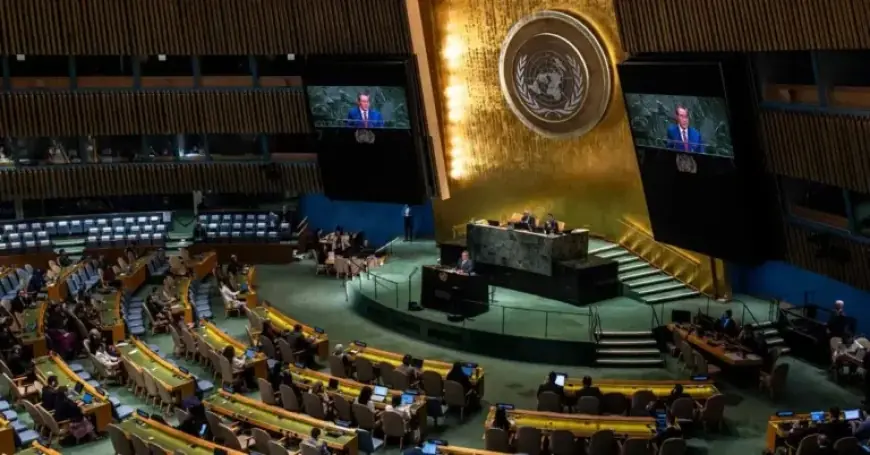
The United Nations is on the brink of a financial crisis, warning that it may run out of funds by July. The urgency stems from unpaid dues by member states, especially the United States, which accounts for a significant portion of the total debt. The U.N. Secretary-General, António Guterres, has expressed deep concern over the situation, emphasizing that immediate action is necessary to prevent a systemic collapse.
Financial Crisis Overview
On December 30, the U.N. General Assembly approved a budget of $3.45 billion for 2026, supporting core areas such as peace and security, sustainable development, and human rights. However, an outstanding payment of approximately $2.2 billion from the United States remains unpaid. This amount comprises dues for both 2025 and 2026.
Consequences of Nonpayment
- The imminent financial collapse could force the U.N. to close its New York headquarters by August.
- Annual gatherings, such as the General Assembly in September, may be canceled.
- Critical operations like the Office for the Coordination of Humanitarian Affairs may halt, impacting global emergencies.
Venezuela, the country with the second-largest unpaid dues, owes $38 million for 2025. Due to its financial situation, Venezuela has already lost its voting rights at the U.N. Mexico is also among those in arrears, with a debt of $20 million, but it is expected to make a delayed payment.
Structural Issues Within the U.N.
The financial troubles stem from two main problems: delayed or unpaid dues by member states and an outdated financial rule established in 1945. This rule requires the U.N. to return unspent budget amounts to member states, creating a cycle of financial instability.
U.N. Leadership’s Response
In his recent communication, Secretary-General Guterres has urged member states to pay their dues in full and called for a re-evaluation of existing financial rules. He warns that failure to act could lead to severe operational consequences, affecting humanitarian efforts worldwide.
U.S. Contributions and Cuts
The United States’ financial obligations extend beyond annual dues. It also owes approximately $1.9 billion for active peacekeeping missions and other financial commitments. Recent indications suggest a forthcoming payment of around $160 million for peacekeeping, but the U.S. is reluctant to pay for other obligations, such as international tribunals.
The Impact on Global Operations
If the U.N. cannot secure necessary funding, significant humanitarian work would face disruptions. Organizations like UNICEF and the U.N. Refugee Agency have independent budgets and may continue operations, but the central coordination efforts will likely cease.
Staff Morale and Future Prospects
Low morale among U.N. staff is compounded by layoffs and program reductions. In the face of a funding crisis, personnel may be asked to work without pay temporarily. Experts warn that maintaining pivotal peacekeeping missions and crisis mediation will be increasingly challenging as financial resources dwindle.
The current situation illustrates the urgent need for substantive changes in both U.N. funding mechanisms and the timely payment of dues from member states. As the deadline for financial collapse approaches, the international community watches closely for action. It remains to be seen whether states, particularly the United States, will step up to fulfill their obligations and support the crucial work of the U.N.