

























Silver price Today sinks after violent pullback, with spot near mid-$80s

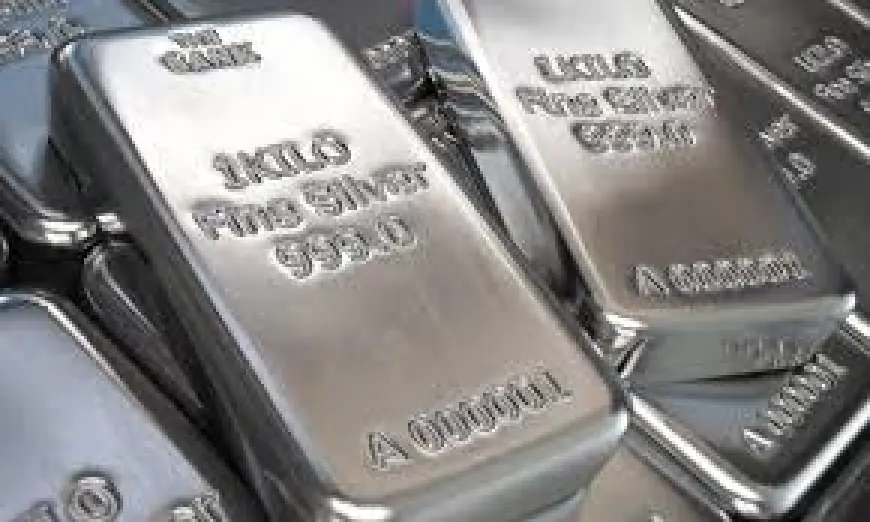
Silver price Today was sharply lower late Friday after a rapid, broad selloff hit precious metals and pushed spot silver back toward the mid-$80s per ounce. The move mattered because it followed an unusually steep rally and arrived with intraday swings that traders typically associate with forced deleveraging and abrupt shifts in rate and dollar expectations.
As of 9:40 p.m. ET on Friday, January 30, 2026, indicative spot pricing was around $85 per troy ounce, after trading through an exceptionally wide range during the session.
Silver price Today: Where the market stands
Late Friday, widely followed spot and futures references were pointing to steep day-over-day declines:
| Reference | Level (USD/oz) | Prior close (USD/oz) | Day range (USD/oz) |
|---|---|---|---|
| Spot silver (XAG/USD) | ~84.70 | 115.67 | 77.76 – 118.50 |
| Silver futures (most-active) | ~78.83 | 114.43 | 74.15 – 118.34 |
Numbers shown reflect indicative “last” levels and session ranges published by major market data screens; ranges underscore how quickly liquidity conditions can shift when positioning is crowded.
What triggered the abrupt slide
The downdraft coincided with a sudden change in macro narrative that supported the U.S. dollar and pressured dollar-priced commodities. A key catalyst in market coverage was the announcement that Donald Trump intended to nominate Kevin Warsh to lead the Federal Reserve, which helped unwind a “one-way” trade across precious metals after the recent surge.
Silver’s move stood out for its magnitude: intraday prices not only fell hard, they also repeatedly rebounded and retraced, a pattern consistent with rapid position reduction rather than a slow repricing. In that kind of tape, sellers are often responding to risk limits, margin requirements, or volatility-based de-risking—dynamics that can intensify once prices break key levels.
How spot and futures diverged
Spot silver and COMEX-style futures both dropped, but the gap between them widened at points during the session, reflecting the mechanics of different venues and participant bases. Futures pricing can react faster to leverage constraints and liquidity conditions, while spot references may better reflect broader wholesale dealing and currency translation effects.
The scale of the day’s range also matters: when a session spans from the $70s to well above $110, quoting “the” price becomes highly time-dependent. One widely watched bullion screen showed spot silver near $85.15 at 9:00 p.m. New York time (ET), down sharply on the day—an illustration of how late-session prints can differ from earlier highs.
Implications for physical buyers and hedgers
For investors who buy coins, bars, or industrial users sourcing material, a sharp drop in spot does not always translate one-for-one into retail pricing. Premiums can rise when volatility spikes and dealers manage inventory risk. In other words, a falling benchmark can coincide with tighter availability or wider bid–ask spreads, especially into weekends or around major macro headlines.
For hedgers, the session reinforced the value of stress-testing hedge ratios and cash requirements. When daily ranges expand dramatically, variation margin and collateral needs can change quickly—particularly for leveraged positions tied to futures or options.
What to watch next week
The next few trading days are likely to hinge on three observable factors:
-
Dollar direction and rates expectations: If the dollar stays firm, it can remain a headwind for precious metals priced in USD.
-
Volatility and positioning signals: Elevated implied volatility in silver derivatives often keeps liquidity thin and intraday swings large.
-
Key reference benchmarks and market structure: Institutional pricing mechanisms, including those overseen in London, can influence how spot references stabilize after extreme moves.
If price action calms and liquidity improves, the market may shift from forced selling to more two-sided trade. If volatility remains elevated, further sharp reversals—up or down—become more plausible simply because small flows can move prices more than usual.
Sources consulted: CME Group, LBMA, Investing.com, Kitco, Investopedia