
























Silver and Gold Reach Record Highs, Then Plummet: Essential Insights You Need

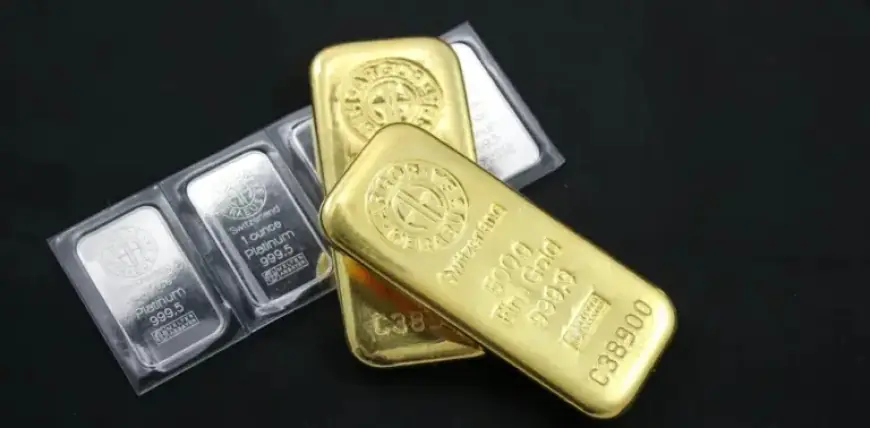
The beginning of 2026 has marked a significant surge in gold and silver prices, culminating in record highs before experiencing a sharp decline. Gold prices reached over US$5,500 (A$7,900) per ounce on a Thursday, which was a historic milestone. However, by the close of trading on Friday, the price fell to approximately US$5,068 (A$7,282). Similarly, silver soared to over US$120 (A$172) per ounce, achieving one of its most impressive performances in decades. By the end of the week, silver’s value dropped to US$98.50 (A$141.50). This volatility raises questions about the factors influencing these metals and the associated risks for investors.
Why Gold Hit New Highs
Gold is recognized as a safe haven asset, often sought by investors during times of economic uncertainty. Increasing political tensions, threats of trade wars, and fluctuating interest rate signals have prompted investors to look for stability in gold. The announcement of Kevin Warsh’s nomination as chair of the US Federal Reserve by Donald Trump triggered a market reaction that influenced the drop on Friday.
Moreover, central banks globally have been rapidly accumulating gold as a strategic reserve. Retail investors, both in Australia and internationally, have started treating gold and silver as hedge options amid growing uncertainties. They have also engaged in momentum trading patterns, which encourage buying on price uptrends, especially through gold exchange-traded funds (ETFs).
Silver’s Remarkable Surge
While gold garnered considerable attention, silver experienced significant price increases, surging over 60% in just one month. Unlike gold, silver is in high demand for both safe investment purposes and industrial applications. It is essential for clean energy technologies, including solar panels and electric vehicles.
- Approximately 20 grams of silver are used in each solar panel.
- Solar energy accounts for nearly 30% of global silver demand.
- Electric vehicles utilize between 25 to 50 grams of silver each.
The silver market has faced a supply deficit for five consecutive years, consuming more than it has been able to mine. The challenges in increasing silver production further add to its scarcity, creating additional upward pressure on prices.
Increased Retail Investment
CommSec, one of Australia’s leading online investment platforms, has seen a significant increase in silver ETF transactions. In the past year, gold ETF trades through CommSec increased by 47%, with a total of A$158 million in net buying. In contrast, silver trading activity surged by 1,000%, showcasing retail investors’ growing interest in this precious metal.
Understanding the Risks
Although retail investors have been actively buying as prices rise, this “fear of missing out” strategy introduces substantial risks. The volatility of silver reached an annualized rate of 36%, significantly higher than gold’s 20%. This volatility indicates that rapid price increases can lead to sharp declines.
Key Considerations for Investors:
- Buying high can result in purchasing near the peak price.
- Precious metals do not provide dividends or interest, making returns dependent on future price appreciation.
- Investment strategies should keep metals to 5–15% of a diversified portfolio.
As observed in recent market movements, sharp price fluctuations can dramatically affect investments. Investors are advised to approach precious metals with caution, ensuring that their portfolios remain balanced and sustainable.
This article serves as a general overview of current market trends and should not be considered financial advice. All investments carry inherent risks.