

























Tyra Banks Rebrands Viral ‘Hot Ice Cream’ for a New Taste Sensation

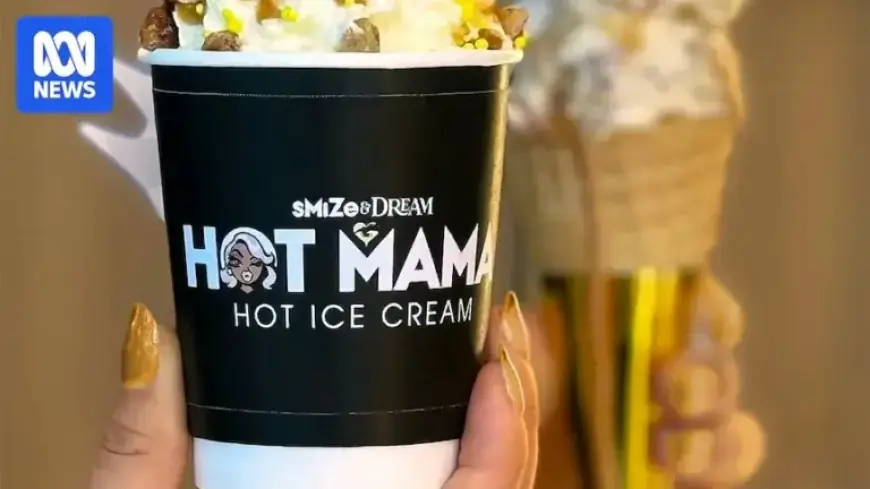
Tyra Banks has recently rebranded her innovative dessert, previously known as “Hot Ice Cream,” to enhance its appeal and clarify its unique identity. This new treat, dubbed “Hot SMiZE Cream,” was officially unveiled at her Sydney-based ice cream store, SMiZE & DREAM, which opened last year in Darling Harbour.
Exploring the Concept of Hot SMiZE Cream
Tyra Banks describes her creation as “ice cream that you can drink,” emphasizing that it is not a traditional frozen dessert. In her words, it is distinct from melted gelato or a drink like hot chocolate. This has sparked confusion and curiosity among consumers regarding the actual nature of the product.
Regulatory Standards for Ice Cream
In Australia, food products must adhere to specific standards. According to regulations, ice cream must be a sweet frozen food, made predominantly from cream or milk products, and must meet strict fat and solid content requirements. It requires a minimum of 100 grams of milk fat per kilogram and 168 grams per liter of food solids.
Initial investigations conducted by the New South Wales Food Authority noted that the Hot SMiZE Cream was not labeled as ice cream in the store, despite some references in the ordering application. In response to these findings, the store has committed to eliminate any misleading labels and to adopt a more straightforward packaging strategy.
Transitioning to Hot SMiZE Cream
- The name change to “Hot SMiZE Cream” aims to better align with the brand’s identity.
- The store plans to phase out existing packaging that refers to it as ice cream.
- Changes to online references have also been initiated to prevent consumer confusion.
In a statement, SMiZE & DREAM emphasized the importance of clarity in food labeling and marketing. They stated, “Much of our customers’ conversation centred on the experience itself.”
Addressing Consumer Concerns
The transition comes amidst a broader discussion about food labeling standards in Australia. Experts highlight that while there is flexibility in marketing and product descriptions, consumer safety and clarity are paramount. Confusion can arise, especially with the increasing popularity of unconventional food items that often challenge traditional definitions.
As the market evolves, regulatory bodies are increasingly scrutinizing the language used in food advertising. This includes ongoing discussions about labeling for products that do not fit conventional categories, such as plant-based alternatives.
Sharon Givoni, a legal advisor on food standards, pointed out that there is currently a gap in regulating online food sales. This gap could lead to potential hazards for consumers, particularly those with allergies or dietary restrictions. Going forward, it will be essential for businesses to ensure their marketing is clear and complies with existing regulations.
Conclusion
The evolution of “Hot SMiZE Cream” from its controversial predecessor has created a space for discussion about food clarity and consumer protection. As Tyra Banks navigates this novel dessert landscape, the focus remains on delivering a unique experience while adhering to laws designed to safeguard consumers.