
























Gold price today 30 Jan 2026 tumbles after Warsh Fed chair nomination

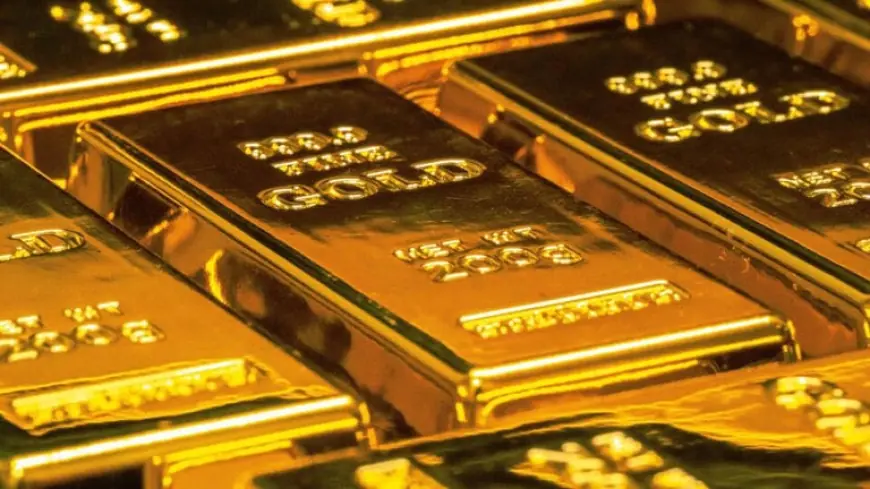
The gold price today 30 Jan 2026 swung violently, sliding nearly 10% in a sharp reversal that rattled precious-metals markets and spilled into mining shares. The move mattered because it followed fresh record highs just a day earlier—turning what had been a momentum-driven rally into a sudden stress test for positioning, liquidity, and confidence.
By early afternoon in New York, spot gold was deep in the red as traders digested Donald Trump’s announcement that Kevin Warsh would be nominated to lead the Federal Reserve, replacing Jerome Powell when his term ends.
| Market snapshot (Jan. 30, 2026) | Level | Notes |
|---|---|---|
| Spot gold | $4,883.62/oz | 1:57 p.m. ET |
| Spot gold (record high) | $5,594.82/oz | Reached Jan. 29 |
| COMEX gold futures (Feb) | $4,745.10/oz | Settlement (Jan. 30) |
| U.S. Dollar Index (DXY) | ~96.18 | Close (Jan. 30) |
| U.S. 10-year Treasury yield | ~4.24% | Late afternoon (Jan. 30) |
Gold price today 30 Jan 2026: what moved the market
The immediate catalyst was the Fed leadership headline. Markets treated the nomination as a potential policy inflection point, helping lift the dollar and intensifying profit-taking across metals that had sprinted higher through the month.
Gold’s drop was amplified by positioning dynamics. After a fast run-up to record territory, the market was vulnerable to a “trapdoor” move: once prices fell through key levels, selling pressure can cascade—through discretionary traders cutting risk, systematic strategies reducing exposure, and leveraged accounts meeting margin calls.
Commentary from the commodities research community also pointed to a mix of forces hitting at once: a firmer dollar, shifting expectations around real yields, and an overdue reset after a historic burst of volatility. Standard Chartered Bank and MKS PAMP SA were among the major firms circulating downside markers that traders watched as the selloff accelerated.
From record highs to a fast reversal
Just one session earlier, gold touched $5,594.82 an ounce—its latest record—before slipping back as traders began to lock in gains. That setup made Friday’s slide feel abrupt, but it also followed an unusually strong monthly run.
Even after the plunge, gold still ended January with a sizable gain, underscoring how extreme the month’s swings were. The pattern looked less like a slow deterioration in fundamentals and more like a crowded trade abruptly forced to reprice when the macro narrative shifted and the dollar bounced.
Dollar and rates backdrop
Gold is priced globally in dollars, so a stronger greenback can weigh on demand by making the metal more expensive for non-U.S. buyers. On Jan. 30, the dollar rose sharply on the day, with the DXY finishing around the mid-96 area after earlier weakness during the week.
Rates also mattered. The 10-year Treasury yield hovered around the low-4% range into the afternoon. Gold doesn’t pay interest, so when yields (especially real yields) are perceived to be rising or staying higher for longer, the relative appeal of holding non-yielding assets can soften—particularly when the market is already stretched.
What the drop means for buyers and hedgers
For physical buyers, sudden drawdowns sometimes create a “window” that improves affordability versus record highs—though many buyers tend to wait for volatility to calm before stepping in aggressively. For miners and fabricators, the bigger question is whether this was a one-off flush or the start of a broader repricing that would change hedging behavior.
In futures markets, a large single-day fall can tighten financial conditions for participants quickly: margin requirements can rise, liquidity can thin, and bid-ask spreads can widen. Those mechanics don’t require a change in long-term gold demand to cause sharp short-term moves—they’re about market plumbing.
What to watch next
Two tracks now matter more than usual:
-
Fed chair confirmation and messaging: The nomination process, Senate timing, and any public signals about policy priorities could continue to move the dollar and rate expectations.
-
Positioning and volatility: After an outsized drop, markets often test whether buyers defend key levels or whether rallies are sold into—especially if volatility remains elevated.
-
Macro data cadence: Inflation and labor-market prints can quickly reset the rates narrative, which in turn feeds back into gold’s opportunity-cost story.
If the dollar remains firm and yields stay elevated, gold may struggle to rebuild momentum quickly. If volatility eases and macro expectations stabilize, the market may shift from forced selling to more two-way trade—still choppy, but less disorderly than the Jan. 30 air pocket.
Sources consulted: Reuters; CME Group; Associated Press; Investing.com; Yahoo Finance