Gold price today pulls back after record high, as traders reassess rates and the dollar

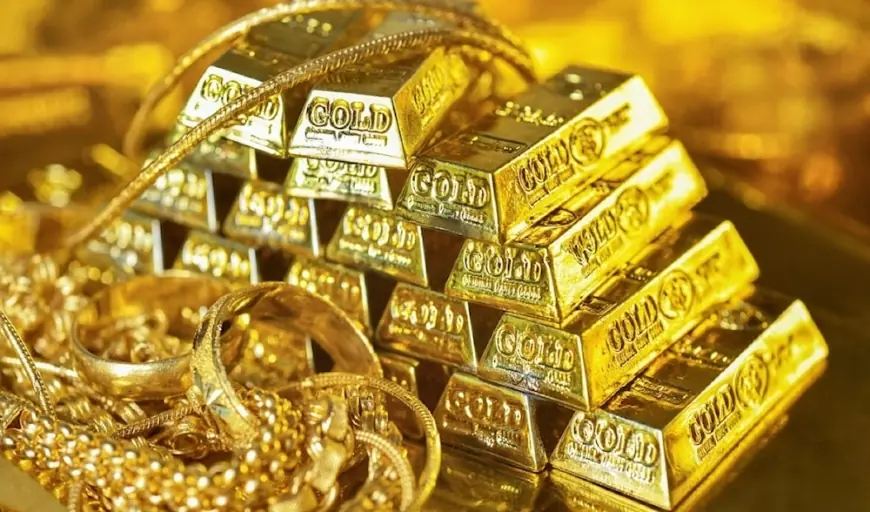
Gold price today moved lower early Friday, January 30, 2026 ET, after reaching a fresh record in the prior session. The pullback comes as investors recalibrate expectations around U.S. interest rates and respond to a firmer U.S. dollar, two forces that often influence short-term direction for precious metals.
Even with the decline, January has still been an unusually strong month for gold, reflecting sustained demand for hedges and a market that has been willing to pay higher prices amid shifting macro signals.
Gold price today: Where prices are trading and what changed overnight
In the latest session, spot gold slipped from its recent peak and traded lower, while U.S. gold futures also eased. The move follows a rapid climb that pushed prices to new highs, making the market more sensitive to any change in rate expectations or currency moves.
After large multi-week gains, short-term positioning can become crowded. When that happens, even routine catalysts — a change in the dollar’s tone, modest rate repricing, or profit-taking into the end of the week — can translate into an outsized swing.
Why gold is reacting: The dollar, yields, and rate expectations
Gold does not pay interest, so it often competes with assets that do. When Treasury yields rise or expectations shift toward higher-for-longer policy, the opportunity cost of holding gold can increase. That can pressure prices, especially after a strong run.
The U.S. dollar is the other key channel. A stronger dollar typically makes gold more expensive for buyers using other currencies, which can soften demand at the margin. It can also signal tighter financial conditions, reinforcing the yield effect.
This week’s action reflects how quickly the market can reprice when rates, the dollar, and positioning all turn in the same direction.
January’s context: Strong gains, but higher volatility
Even after the latest pullback, gold remains sharply higher for the month. That matters because month-to-date performance can shape investor behavior: strong gains can attract momentum buying and portfolio rebalancing flows, but they also tend to increase volatility as more traders use leverage or shorter time frames.
In practice, that often produces a familiar pattern: sharp advances followed by abrupt pullbacks, with the overall trend depending on whether buyers continue to step in on dips.
Demand mix: Investment interest versus price-sensitive consumption
One reason gold can rally quickly is that investment demand can scale up faster than many forms of physical consumption. When prices rise, jewelry demand typically becomes more price-sensitive, leading some buyers to delay purchases or reduce volume. Investment demand, by contrast, can increase when uncertainty rises or when investors seek diversification.
That shift in the demand mix can change how the market behaves. During periods where investment flows dominate, prices can move more sharply in response to macro signals such as the dollar and yields.
What to watch next: Key drivers that can set the next move
Near-term direction will likely continue to depend on three factors:
-
U.S. dollar trend: A sustained move higher can remain a headwind; a reversal can ease pressure.
-
Treasury yields and rate pricing: Lower yields or stronger expectations for easing can support gold; the opposite can weigh on it.
-
Market behavior near recent highs: The market often tests whether buyers reappear after a record. A quick rebound can stabilize sentiment, while a slow recovery can encourage additional de-risking.
Gold price today is therefore best read as a reaction to macro repricing after a rapid run-up. Whether the pullback stays contained or extends will depend less on a single headline and more on how the dollar and rates evolve in the next set of trading sessions.