Canadian dollar to USD: Loonie holds near $0.74 as oil’s January surge and rate pauses set the tone

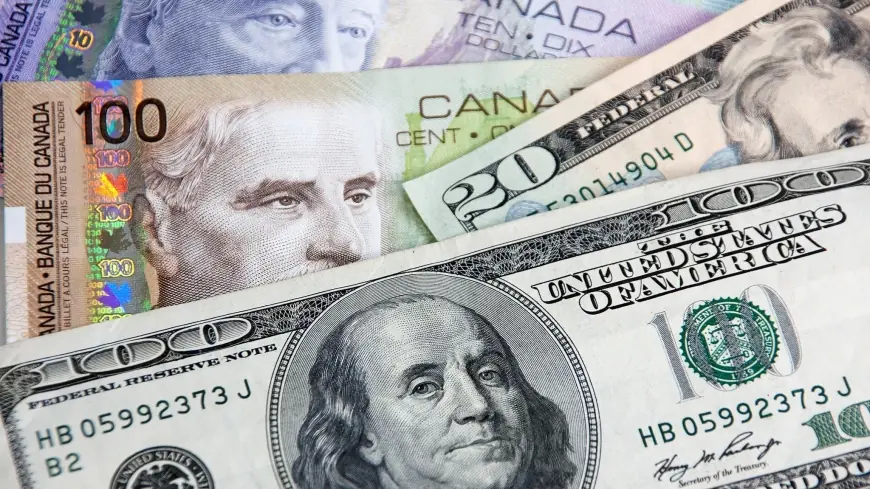
The Canadian dollar to USD exchange rate steadied near $0.74 on Friday, January 30, 2026, after a week defined by central-bank pauses and a renewed oil rally. For households and businesses that price goods, travel, and contracts across the border, the move matters because small swings in the loonie can quickly show up in fuel costs, imported prices, and profit margins.
In early trading, the keywords reflected a market still digesting fresh policy signals while trying to separate short-term volatility from what may be a longer-running shift in how investors are pricing North American growth and risk.
Canadian dollar to USD
At Friday’s levels, one Canadian dollar bought roughly $0.74, while one U.S. dollar bought about C$1.35. That keeps the keywords close to the strongest territory seen in months, and it reinforces a simple message from currency desks: the greenback has lost some momentum, and Canada’s commodity leverage is back in focus.
| Conversion | Approx. USD value |
|---|---|
| C$1 | $0.74 |
| C$10 | $7.39 |
| C$100 | $73.94 |
| C$1,000 | $739.37 |
Oil’s monthly run is giving the loonie a tailwind again
Energy has reasserted itself as a major driver this month, and that connection tends to matter more when prices rise quickly. Crude benchmarks were choppy heading into month-end, but January’s gains have been large enough to change the narrative: higher oil can improve Canada’s export receipts and, in turn, support demand for Canadian dollars.
Even when oil pulls back on a given day, the broader trend can still influence currency positioning—especially for investors treating the loonie as a liquid way to express views on commodities and global risk appetite.
Rate gap dynamics: Fed pause meets a steady Bank of Canada
This week’s central-bank messaging helped anchor the macro backdrop for the keywords. The U.S. Federal Reserve kept its benchmark range unchanged, emphasizing a wait-and-see approach while inflation remains above target. In Canada, the Bank of Canada also held policy steady, describing an outlook that remains vulnerable to trade uncertainty even as inflation has been closer to the 2% objective.
When both central banks signal patience, the currency impact often comes down to relative confidence: which economy looks more resilient, and where investors think the next meaningful policy move is more likely to occur. For now, the market is juggling those questions rather than leaning hard in one direction, which helps explain why the loonie’s move has been firm but not disorderly.
Trade and policy uncertainty is still a live risk for CAD
Beyond rates and oil, trade policy remains a central uncertainty hanging over the keywords. Markets have been sensitive to tariff headlines and the possibility of abrupt shifts in North American supply chains—developments that can change assumptions about Canadian growth, business investment, and cross-border demand.
That uncertainty tends to show up in two places: wider day-to-day swings when headlines break, and a reluctance to push the loonie too far without clear confirmation from data. In other words, even a stronger Canadian dollar can look “fragile” if the trade outlook can change quickly.
What to watch next
Near-term direction will likely hinge on scheduled economic data and how markets interpret it against this week’s policy backdrop. Traders are watching Canada’s growth updates and key U.S. inflation indicators for fresh evidence on whether the economy is cooling, stabilizing, or re-accelerating—each of which can change expectations for interest rates, risk appetite, and the dollar’s broader trend.
The forward look is straightforward, even if the path is not: if incoming data reinforce steady growth with easing inflation pressures, the loonie can stay supported. If growth disappoints or trade uncertainty intensifies, the Canadian dollar’s recent strength can face renewed tests—especially if the U.S. dollar catches a safe-haven bid in a risk-off moment.