

























Minnesota Judge Patrick Schiltz Criticizes ICE’s Ethics Violations

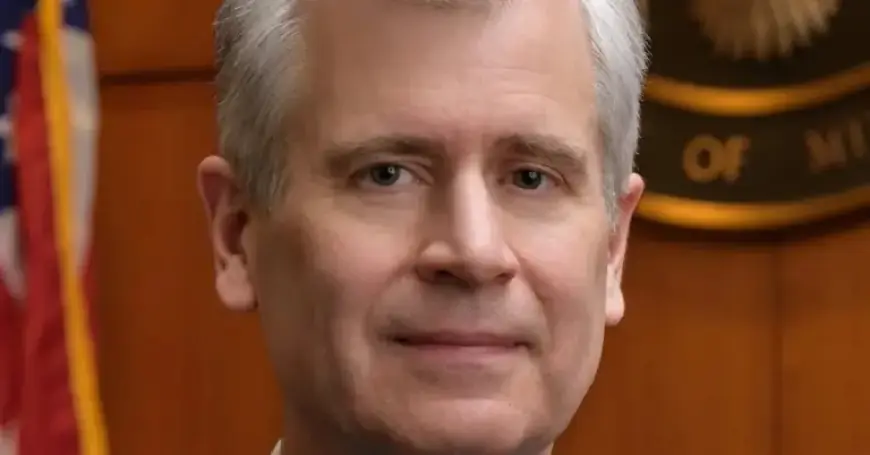
In a striking critique of U.S. Immigration and Customs Enforcement (ICE), Judge Patrick Schiltz of the District of Minnesota has voiced serious ethical concerns regarding the agency’s practices. His remarks highlight a growing tension between judicial oversight and the immigration policies of the Trump administration.
Judge Schiltz’s Demand for Accountability
Earlier this year, Judge Schiltz became increasingly frustrated as a surge in immigration cases overwhelmed his court. In a recent order, he criticized ICE for detaining individuals without allowing them to challenge their confinement. He called for Todd Lyons, the acting director of ICE, to appear in court and explain the situation, stating, “The court’s patience has run out.”
Although Schiltz later withdrew the threat for Lyons’ appearance after a key migrant was released, he attached a list of 96 breaches of court orders by ICE across 74 cases. He raised alarms about the implications of these violations for the rule of law, asserting that ICE likely breached more orders in January than many agencies have historically.
Response from the Trump Administration
The response from the Trump administration was dismissive. Tricia McLaughlin, a spokesperson for the Homeland Security Department, referred to Schiltz’s criticisms as a “diatribe” from an “activist judge.” She emphasized that their commitment would not waver despite such comments from the judiciary.
Background of Judge Patrick Schiltz
Judge Schiltz, who has been in federal court for nearly two decades, is known for his conservative legal background. Nominated by President George W. Bush in 2006, Schiltz has consistently advocated for ethics in law. In a law journal article published 27 years ago, he outlined how young lawyers could navigate an often unethical legal landscape. He noted the low professional satisfaction among lawyers and urged them to seek meaningful, public-interest work rather than succumbing to greed.
Educated at Harvard Law School, Judge Schiltz clerked for Justice Antonin Scalia, solidifying his reputation within conservative legal circles. He later became the founding dean of the University of St. Thomas School of Law in Minneapolis. Schiltz is renowned for his belief in applying the law objectively, emphasizing the need for judges to work strictly within legal frameworks.
Contemporary Challenges and Criticisms
Judge Schiltz’s recent decisions reflect a significant shift from his previously understated judicial demeanor. This escalation appears to be a response to what he perceives as overreach by federal agencies affecting immigrants’ rights. His actions place him alongside other judges, like James E. Boasberg and William G. Young, who have also faced backlash for their rulings against the administration’s immigration policies.
As Judge Schiltz continues to address these complex challenges, many legal observers will watch closely. He stands at a crossroads where the rule of law must balance ethical obligations against a backdrop of national immigration policy. His calls for accountability and adherence to judicial orders could shape the legal landscape surrounding immigration for years to come.