George Saunders’ Uneven Return to the Bardo Explored: NPR Insight

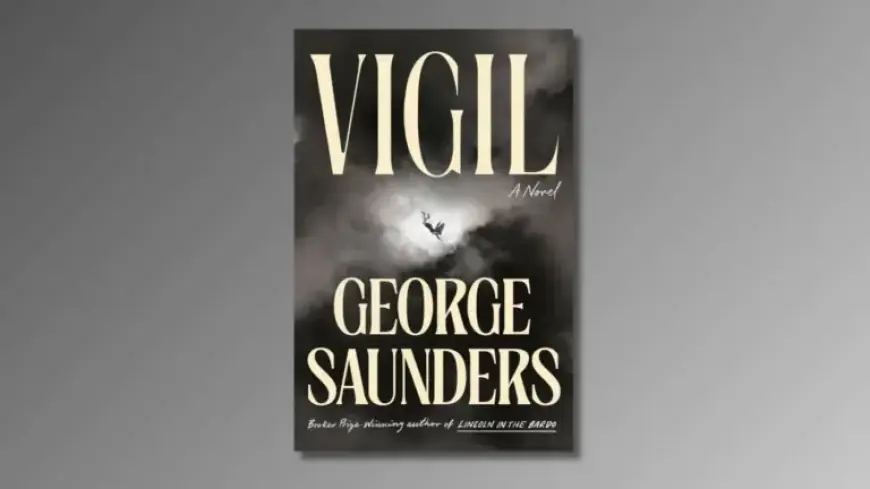
George Saunders’ latest novel, “Vigil,” presents a complex exploration of the Bardo, a state between life and death. This space, described by Saunders, is vibrant and chaotic, contrasting sharply with the tranquility often associated with heaven. The Bardo is a central theme in his previous work, “Lincoln in the Bardo,” which highlighted the grief surrounding Abraham Lincoln’s son, Willie, who passed away in 1862.
Overview of Vigil
In “Vigil,” the narrative shifts from historical reflection to a contemporary story. K.J. Boone, an oil company CEO, symbolizes corporate greed and moral disregard. His character embodies the darker aspects of capitalism. Boone has manipulated scientific data to sustain his profits, echoing the caricatures of unyielding businessmen. His character draws comparisons to Mr. Potter from the classic film “It’s a Wonderful Life.”
Jill “Doll” Blaine’s Journey
The story introduces Jill “Doll” Blaine, a 22-year-old who died in an explosion. As a spiritual facilitator, she has guided over 343 souls in their transition to death. Her role brings emotional depth to the narrative. Jill attempts to console the frightened and encourages them to reflect on their lives. When she visits Boone, he remains unrepentant, focused solely on his ego.
Thematic Elements
The juxtaposition of Boone’s character with Jill’s spiritual mission reveals the essence of “Vigil.” Jill’s reflections on her past, including memories of family, showcase the novel’s emotional weight. The return to her family’s graves challenges her attachment to the earthly realm, symbolizing a struggle between nostalgia and acceptance of her fate.
- *Jill’s grandmother, affectionately known as “Grandma Gust,” offers comic relief and wisdom.*
- *The narrative examines themes of regret, self-awareness, and the human experience.*
- *Boone’s detachment serves as a foil to Jill’s emotional journey, enhancing the story’s complexity.*
Conclusions on Vigil’s Impact
While “Vigil” is engaging, some feel it may not reach the heights of Saunders’ earlier works. Boone’s character can be perceived as overly simplistic, making it challenging for readers to invest. However, Jill’s heartfelt moments resonate strongly, grounding the narrative.
George Saunders remains a significant voice in contemporary literature, known for his insightful commentary on the human condition. “Vigil” continues to explore these themes, albeit in a different, less impactful manner. Readers will find depth in Jill’s story, reflecting the duality of existence and the profound questions it raises about life and death.