Taylor Swift in Late January 2026: A Major Honor, a Grammys Week Vacuum, and a Growing Fight Over Celebrity Privacy

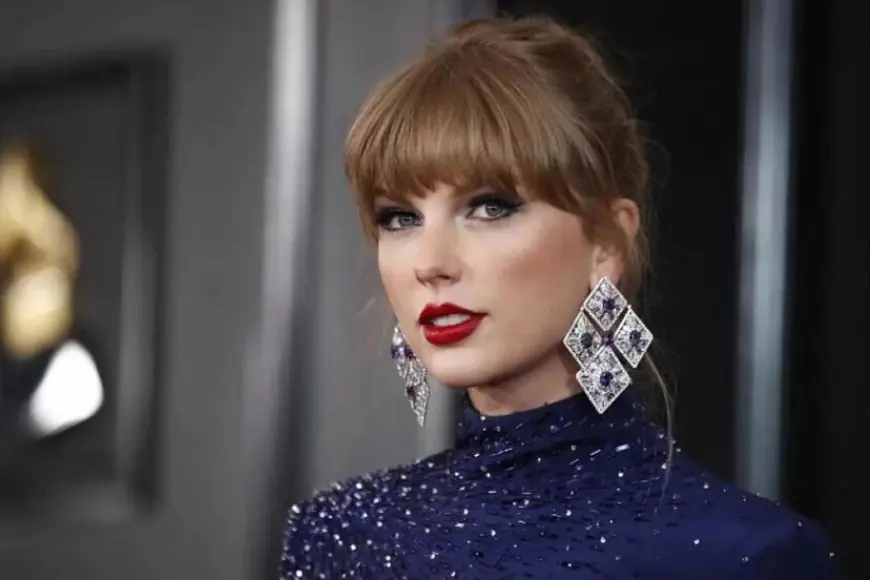
Taylor Swift is back at the center of the culture conversation in the final week of January 2026 for a mix of headline types that rarely collide so neatly: a career-crowning songwriting honor, renewed debate about whether she will show up during Grammys week despite being ineligible this year, and an uncomfortable reminder that even the most powerful artists can get pulled into other people’s legal battles.
The throughline is control. Swift’s brand has long been built on authorship, intention, and narrative ownership. The current moment tests how much of that ownership is still possible when honors, rumors, and court filings all compete to define the story.
Songwriters Hall of Fame: The “Legacy” chapter arrives early
On Wednesday, January 21, 2026 (ET), Swift was announced as a 2026 Songwriters Hall of Fame inductee, a milestone that re-centers her public identity around craft rather than spectacle. The induction is scheduled for Thursday, June 11, 2026 (ET) in New York City.
The significance goes beyond the trophy. It puts Swift into a lineage conversation — the kind that usually arrives at the end of a long career, not in the same era where she is still setting commercial benchmarks and generating daily trend cycles. It also sharpens the point many fans and industry observers have made for years: regardless of genre shifts, aesthetics, or tour scale, her leverage ultimately comes from writing.
Grammys week: Why the rumors are louder than the facts
The 2026 Grammy Awards are set for Sunday, February 1, 2026 (ET). Swift is not expected to perform, and she is not nominated this year because the official eligibility window covered releases from August 31, 2024 through August 30, 2025 — and her latest studio album, The Life of a Showgirl, arrived October 3, 2025, outside that window.
That technicality matters because it explains the odd disconnect fans feel right now: Swift is omnipresent in pop culture, yet absent from the ballot. It’s not a snub story. It’s a calendar story.
Still, the rumor machine did what it always does around a megastar: it converted “she isn’t nominated” into “maybe she’ll surprise everyone.” In the past few days, top show leadership publicly pushed back on claims she would appear or perform, framing them as manufactured speculation rather than a real booking.
The album after the tour: “The Life of a Showgirl” as a strategic pivot
With The Life of a Showgirl, Swift leaned into a more flamboyant, performance-forward aesthetic than her prior era, while keeping the songwriting identity front and center. The album’s release strategy — including heavy physical product emphasis and tightly managed promotion — underscored a familiar Swift pattern: control the funnel, control the narrative, and keep the core fanbase engaged even when she is personally out of view.
The Grammys eligibility gap also creates a clear next beat: the album becomes a likely player in the 2027 Grammy cycle, not the 2026 one. That reshapes the stakes of her near-term public schedule, because she doesn’t need this week’s show for awards positioning.
The privacy problem: How an unrelated lawsuit dragged her name into the feed
At the same time, Swift has been pulled into a separate entertainment legal battle after unsealed court exhibits in a dispute involving Blake Lively and Justin Baldoni brought private messages and references to Swift into public circulation. Swift is not a party to the lawsuit, but the episode highlights a modern celebrity vulnerability: once your name enters a court filing, your privacy becomes collateral — and the internet treats it like content.
This is not just gossip. It’s a structural issue. Legal discovery and public filings can convert private communications into public narrative material, and the incentives are brutal: attention rewards the most clickable fragments, not the fairest context.
Behind the headline: incentives, stakeholders, and what this moment is really about
Context: Swift is navigating the post–mega-tour phase where every move is interpreted as either a pivot or a retreat. Honors and awards are supposed to be celebratory, but they also lock an artist into legacy framing at the exact moment they may want to experiment.
Incentives:
-
Awards bodies and institutions benefit from associating with the biggest songwriter of the era.
-
Television events benefit from the possibility of a Swift appearance, even when it’s unlikely.
-
Online ecosystems benefit from rumor velocity, regardless of accuracy.
-
Swift’s incentives point the other way: lower visibility, tighter control, and fewer unplanned narratives.
Stakeholders: Fans, collaborators, award institutions, show producers, and the broader industry that depends on “event” viewing all have something to gain from Swift being present. Meanwhile, Swift’s inner circle has a direct stake in keeping her out of other people’s controversies and protecting long-term brand trust.
Missing pieces: The biggest unknown isn’t whether she attends a single event. It’s what her next public chapter looks like: a prolonged low-profile stretch, a new creative rollout, or a carefully staged return tied to the June induction.
What happens next: realistic scenarios to watch
-
A quiet Grammys weekend with no appearance, shifting the spotlight to other nominees and performers.
-
A selective public re-entry later this spring tied to music releases, videos, or collaborations rather than award-show visibility.
-
A June “craft-first” moment at the Songwriters Hall of Fame ceremony that reframes the year around writing and legacy.
-
Continued privacy friction as legal and media cycles keep testing how much control any celebrity can maintain over personal communications.
Swift’s late-January story isn’t one headline. It’s a snapshot of how modern fame works: even while being honored for authorship, she’s still fighting the gravitational pull of rumor and the growing reality that privacy, once pierced, is hard to reseal.