























What Is a Ward in Bridgerton? The One Word That Explains Who Controls the Money, the House, and the Marriage Plot

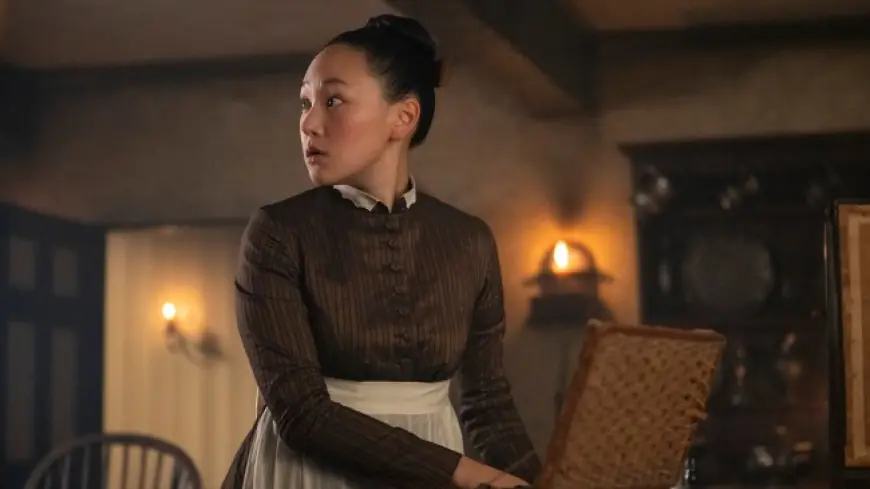
“Ward” is one of those Bridgerton-era terms that sounds quaint until you realize it’s basically a legal power tool. In the world the series borrows from Regency Britain, a ward is typically a minor who is placed under the legal guardianship of an adult, meaning someone else is empowered to make major decisions on their behalf until they reach adulthood. In plain language: if a character is “a ward,” they are not fully in control of their own life yet, even if they’re wealthy, titled, or emotionally ready to choose their own future.
The word has surged in fan searches because it’s the kind of detail that instantly raises stakes. “Ward” can turn a flirtation into a crisis, a proposal into a political negotiation, and a romance into a legal and social fight.
What “ward” means in Bridgerton’s Regency world
A ward is usually someone under the age of majority in that period, commonly treated as 21. Until then, a guardian may be responsible for the ward’s welfare and can carry real authority over:
-
Where the ward lives
-
How the ward is educated and presented in society
-
How money or an estate is managed
-
Whether a marriage is considered acceptable
Bridgerton uses the term as shorthand for “this person is protected, supervised, and restricted.” It’s not only about safety. It’s about control, status, and leverage.
Why a “ward” changes the romance stakes overnight
Romance in Bridgerton is never just romance. It’s romance inside a system, and a ward is the system in human form.
If a young woman is a ward, she is often expected to be:
-
Chaperoned
-
Introduced and monitored
-
Protected from unsuitable matches
-
Guided toward a socially strategic marriage
That makes the guardian a gatekeeper. A suitor is not simply pursuing the ward. He is, in effect, negotiating with the guardian, the family’s reputation, and the money connected to the ward’s future.
Even when the law is not explicitly invoked on screen, the social rules function like law. The word “ward” tells the audience that the character’s choices are constrained, and that crossing those constraints has consequences.
Behind the headline: why the term “ward” resonates with modern viewers
The term lands today because it compresses several Bridgerton themes into one label:
Context: The series is built on the tension between personal desire and social structure. “Ward” is a structural word. It signals that someone is not free yet.
Incentives: Guardians have incentives that are not romantic. They want stability, reputation, good matches, and secure inheritances. The ward’s happiness is often treated as secondary, or conditional.
Stakeholders: The ward, the guardian, potential spouses, the family’s social standing, and anyone tied to the estate all have something to gain or lose. That’s why “ward” plots tend to explode into larger conflicts.
Second-order effects: A ward storyline doesn’t just affect one couple. It affects dowries, alliances, sibling dynamics, and whether a family rises or falls in the eyes of the ton.
In other words, “ward” is Bridgerton’s way of saying: this love story has a legal and economic shadow.
What the show simplifies, and what viewers still don’t know
Bridgerton is romance-first, so it often treats “ward” as a clean narrative switch: guardian says yes or no, drama follows. Real life was messier.
What viewers often don’t see on screen:
-
Guardianship could involve complex arrangements, especially if an inheritance was large.
-
Some wards could petition or seek help from other family members when a guardian acted abusively.
-
Rules varied depending on whether the ward had property, whether titles were involved, and which relatives were alive.
The show’s version is emotionally true even when the paperwork is invisible: the guardian’s authority is a believable obstacle that keeps stakes high.
What to watch for in Bridgerton when someone is a ward
If the word “ward” shows up in an episode, it usually signals one of these story engines is about to kick in:
-
A guardian trying to steer the ward toward a “safe” match
-
A suitor attempting to bypass gatekeeping through charm, secrecy, or status
-
A ward pushing for autonomy, often at reputational risk
-
A reveal that money, inheritance, or legitimacy is driving the pressure
The fastest way to read a ward plot is to ask: who benefits if the ward marries quickly, marries well, or doesn’t marry at all?
What happens next: realistic story paths Bridgerton uses with ward dynamics
Here are the most common scenarios the series can trigger with a ward storyline, and what would set them off:
-
A romance becomes a permission battle
Trigger: the guardian refuses consent or imposes conditions. -
A secret courtship turns into a scandal risk
Trigger: the couple is seen alone, correspondence is discovered, or a rival exposes them. -
The guardian is revealed as conflicted, not cruel
Trigger: a financial threat or family obligation explains their resistance. -
The ward forces a confrontation for independence
Trigger: the ward reaches adulthood, finds allies, or leverages a social advantage. -
A marriage becomes a rescue and a trap at once
Trigger: the “solution” to guardianship also creates a new power imbalance inside the relationship.
In Bridgerton, “ward” is never just vocabulary. It’s a warning label: this character’s love story is about to collide with the rules that decide who gets to choose their own life.