
























Silver Price Today: Spot Silver Holds Near $116 After a $120 Spike, Keeping Traders on High Alert Into February Data

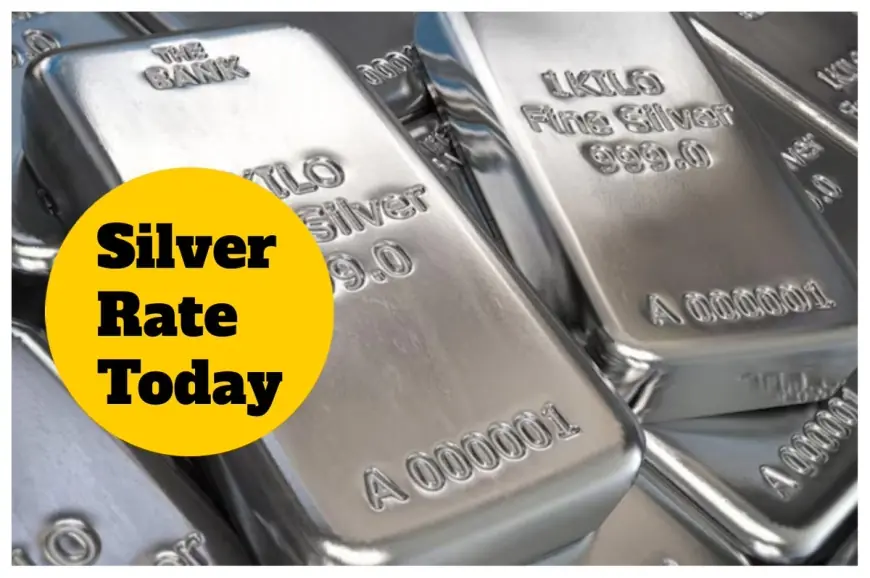
Silver is trading around $116 per troy ounce on Friday, January 30, 2026 ET, after a whipsaw week that briefly pushed prices to about $120 before pulling back. The main takeaway isn’t the exact print at any one moment, but the market’s message: silver has shifted from a breakout sprint to a two-way brawl, with sudden swings now feeling routine rather than exceptional.
Even within a single session, the range has been wide, with spot silver moving roughly from the mid-$113s to the high-$118s before settling back near the mid-$110s. That kind of action signals heavy profit-taking, aggressive dip-buying, and fast-moving hedge activity all colliding at once.
Silver price today: the numbers that matter most
For everyday tracking, three numbers are doing the most work right now:
-
Spot silver: about $116/oz (moves constantly and can differ by feed)
-
This week’s peak: roughly $120/oz, a record-area print that became an instant psychological ceiling
-
Volatility: intraday swings of several dollars per ounce, large enough to change the story in hours
A widely traded U.S. silver-backed fund mirrored the chaos, swinging sharply intraday before ending near the mid-$100s per share, a sign that “paper silver” positioning is still extremely active.
What’s driving silver right now: fear, flows, and fundamentals colliding
Silver is being pulled by multiple forces that don’t always move in the same direction, which helps explain why the tape looks so wild.
Safe-haven demand is back in force.
Geopolitical tension and policy uncertainty are pushing some investors toward hard-asset hedges. Silver tends to benefit when fear spikes, especially when gold is already running and traders look for the next liquid metal with momentum.
The macro backdrop still favors volatility.
With interest-rate expectations in flux, the dollar and bond yields are moving quickly. Because silver does not pay interest, it can surge when yields fall and stumble when yields jump, often with exaggerated moves compared with gold.
The “industrial metal” story adds fuel.
Unlike gold, silver also rides on real-economy demand narratives, including electronics and solar. That dual identity can amplify price action: silver can rally on growth optimism and also rally on risk-off fear, which is a recipe for crowded positioning and sudden reversals.
Behind the headline: why silver’s moves are more violent than gold’s
Silver has a long history of overshooting because it is structurally prone to fast squeezes and fast air pockets.
-
Market depth is thinner. When big money shifts in or out, price can gap harder.
-
Positioning turns quickly. Momentum strategies love silver because percentage moves can be dramatic, but they can also exit just as fast.
-
Retail and physical demand behaves differently. When prices surge, coin and bar premiums can rise and availability can tighten; when prices dip, bargain hunters often appear, creating sharp V-shaped intraday snaps.
The incentives are straightforward:
-
Traders chase volatility because it creates opportunity.
-
Manufacturers and large buyers hedge more aggressively when prices feel unstable.
-
Long-term investors face a tougher question: is this a new long-term plateau, or a late-stage surge that can unwind violently?
What we still don’t know: the missing pieces that decide the next leg
Silver’s next move depends on which story wins the next few weeks.
-
Is $120 a ceiling or a waypoint? A clean retest with strong follow-through would change market psychology fast. A failure would encourage “sell-the-rip” behavior.
-
Will the dollar keep softening or stabilize? A steadier dollar can drain some urgency from metals.
-
Do incoming U.S. data surprise? The next major catalysts include the Employment Situation report on Friday, February 6, 2026 at 8:30 a.m. ET, and the Consumer Price Index on Wednesday, February 11, 2026 at 8:30 a.m. ET. Stronger inflation or jobs can pressure metals via yields; weaker numbers can support them.
-
Does geopolitical risk escalate or cool? Silver can reprice quickly if risk perceptions shift over a weekend.
What happens next: realistic scenarios and triggers
Here are the most plausible paths from here, and what would likely trigger each one:
-
Range trade between roughly $110 and $120
Trigger: mixed economic data and no major shock headlines, keeping volatility elevated but contained. -
Breakout retest above $120
Trigger: renewed risk-off buying, a weaker dollar, or another wave of momentum inflows. -
Deeper correction toward the low $110s or below
Trigger: a sharp rise in yields, a calming of geopolitical fears, or forced selling after leveraged positions get squeezed. -
Choppy grind higher with repeated setbacks
Trigger: strong dips get bought by long-term believers, but profit-taking keeps capping rallies.
Why it matters beyond the chart
Silver’s price touches more than traders. It influences:
-
Manufacturers’ costs in electronics and energy supply chains
-
Retail premiums on physical coins and bars
-
Inflation narratives when metals become a public barometer of fear
-
Risk management for investors who treat metals as portfolio insurance
Silver price today is less about a single number and more about a market sending a loud message: confidence is fragile, positioning is crowded, and the next headline or data print can swing the metal hard in either direction.