























2026 Budget Boost: Night Vouchers, Tax Relief, MPF Housing Plans

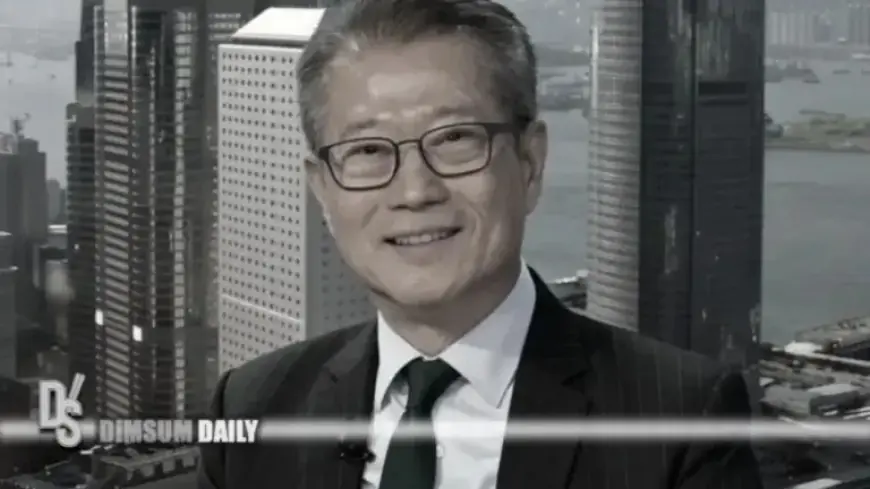
As Hong Kong gears up for its 2026 Budget announcement, slated for February 25, the government is weighing several proposals to bolster economic growth. Financial Secretary Paul Chan Mo-po has noted that increased stamp duty revenues could help the operating account shift back to surplus. However, substantial capital expenditure could perpetuate a fiscal deficit.
Key Proposals for the 2026 Budget
Public consultations are currently in progress, focusing on gathering innovative ideas from various sectors like tax relief, housing, capital markets, and elder care. Below are some major proposals under consideration:
Tax Relief Initiatives
- PWC Hong Kong recommends a general allowance hike of 10% for taxpayers.
- The proposal includes maintaining a total profits tax and salaries tax reduction, capped at HK$1,500.
- There is also a suggestion to raise the basic deduction limit for residential rent and home-loan interest from HK$100,000 to HK$160,000.
- ACCA Hong Kong wants to increase the one-time salaries tax rebate ceiling to HK$10,000.
Night-Time Vouchers for Economic Boost
Legislative Councillor Johnny Ng has introduced the idea of “night-time e-consumption vouchers.” This initiative aims to boost evening economic activities in dining and entertainment sectors.
Elderly Support Measures
- The government plans to evaluate free public transport options for seniors aged 70 and above.
- There are discussions to convert Elderly Health Care Vouchers into “silver vouchers” to enhance the well-being of seniors.
Housing and Retirement Proposals
The Hong Kong Federation of Trade Unions advocates for easing the usage of Mandatory Provident Fund (MPF) savings for home purchases. They are also promoting the concept of reverse mortgages to support housing needs.
Fiscal Challenges and Considerations
Despite the potential for increased revenue, the government must navigate ongoing public spending pressures. The projected deficit, excluding bond issuance, stands at approximately HK$124.7 billion. Infrastructure investment is anticipated to rise, necessitating continued bond issuance to manage cash flows for projects.
Chan has emphasized the need to retain current stock stamp duty levels, recognizing its importance as a revenue source. He is also open to discussing tighter regulations on Real Estate Investment Trusts (REITs) and Exchange-Traded Funds (ETFs).
Looking Ahead
As Hong Kong approaches its 2026 Budget announcement, stakeholders are advocating for practical and sustainable fiscal measures. Topics like public sector pay adjustments, tax compliance, and the integration of AI training deductions for skill enhancement are becoming increasingly relevant.
The government aims to balance economic progress with responsible fiscal management, addressing immediate public needs while preparing for future challenges.