

























Queensland Trawling Ban Forces Fishermen to Discard Scallop Catch

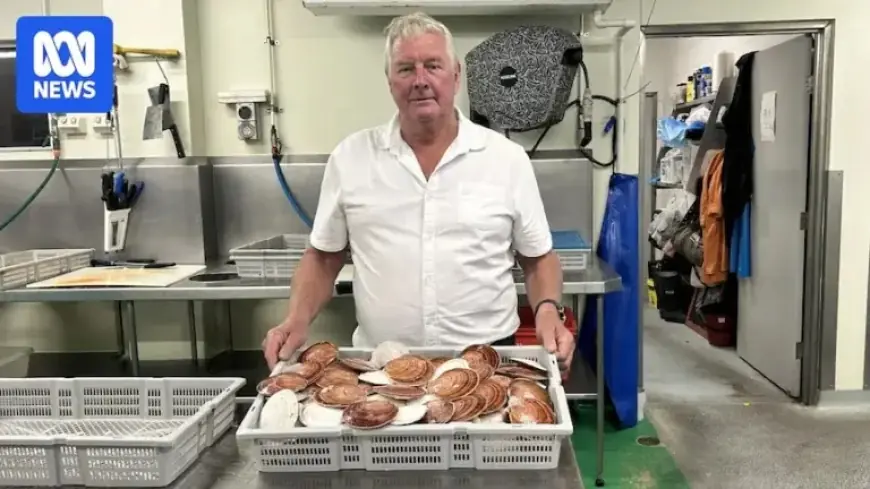
Fishermen in Queensland are facing challenges due to a recent ban on scallop fishing, impacting local economies significantly. The state government has prohibited scallop harvesting in southern inshore waters as a conservation measure, citing overfishing that had previously reduced the scallop population by 88 percent. This decision has resulted in economic consequences for communities reliant on the fishing industry.
Impact of the Scallop Fishing Ban
Paul Grunske, a Bundaberg fishmonger, has resorted to importing scallops from Japan since local fishing for saucer scallops became illegal. The closure has led to financial losses amounting to millions of dollars for Bundaberg and surrounding areas. Grunske described the situation as a “complete disaster” for local fishers, forced to discard any accidentally caught scallops.
Current Status of Scallop Fishing
While fishing for scallops can resume in the northern inshore regions of Queensland, southern waters remain closed. The state government is cautious, having previously noted alarming declines in scallop stocks. A report in 2020 indicated that only 12 percent of the total biomass was left, which prompted immediate action to protect the fishery.
Future Assessments and Monitoring
Looking ahead, the Department of Primary Industries is set to conduct further assessments. In 2025, another survey found that scallop biomass in southern inshore areas did not meet the necessary benchmarks for reopening the fishery. Fisheries and Forestry director general Pauline Jacob highlighted the importance of sustainable management to prevent the potential collapse of the local fishing fleet.
- Key Dates:
- 2021: Southern inshore scallop fishing banned.
- 2025: Further stock assessments conducted.
- 2020: Report shows only 12% of scallop biomass remains.
Community Collaboration
The Queensland Seafood Industry Association has expressed the need for fishers to catch small amounts of scallops to aid in data collection. David Bobberman, chief executive of the association, emphasized that without this data, reliable stock assessments would be delayed. This collaboration aims to ensure that fishing practices are well-informed and sustainable.
Looking Forward
In March, select fishing zones in central Queensland will reopen for scallop harvesting, marking the first opportunity for local fishers in four years. Mark Millward, a local fisher, views this as a positive development that could reinvigorate the local seafood economy. The reopening not only aims to boost income for fishers but also to bring scallops back to restaurant menus across the region.
This cautious progression reflects the ongoing commitment to sustainable fishing practices, balancing industry needs with environmental conservation efforts in Queensland. As the seafood industry navigates these changes, the hope is to ensure both livelihoods and marine ecosystems can thrive together.