
























Devotees Flock to Sammakka-Saralamma Mini-Altars in Mancherial

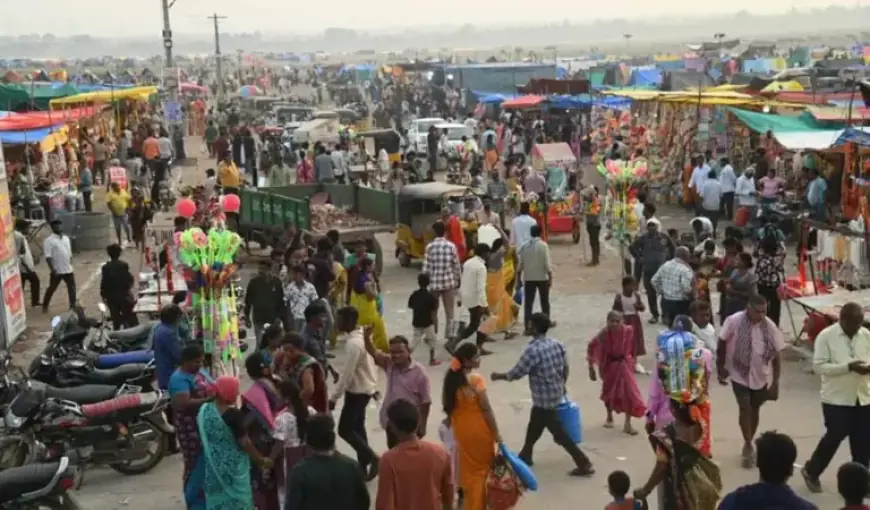
On Thursday, thousands of devotees gathered at the mini altars dedicated to the tribal deities Sammakka and Saralamma along the banks of the Godavari River in Mancherial and its surrounding areas. This event marked the annual fair, supported by local authorities, and attracted participants from both the town and nearby villages.
Devotional Activities at Sammakka-Saralamma Mini-Altars
The atmosphere was vibrant as devotees engaged in various religious rituals. Many offered bonam (a traditional offering), bangaram, or jaggery, while others presented chickens and sheep as sacrifices to express gratitude to the deities for their blessings.
Rituals and Celebrations
- Devotees formed long queues to perform special prayers.
- Families feasted together after their offerings.
- Many took a holy dip in the Godavari River before seeking the darshan of the deities.
After worship, attendees enjoyed shopping for toys for their children at the fair. Many camped under temporary tents, immersing themselves in the festive spirit for at least a day.
A Lively Procession to the Altar
Earlier in the day, tribal priests ceremoniously transported the Sammakka deity from the forest to the altar. On Wednesday evening, a vibrant procession featured dancing to drum beats and trumpet music as the Saralamma deity was installed. This lively event set the tone for the gathering.
Community Support and Amenities
The Mancherial Municipal Corporation ensured essential amenities for the fairgoers, including:
- Temporary toilets and showers
- Shaded resting areas
- A health center
- Parking facilities
- Emergency ambulance services
Additionally, a significant number of coal miners and local residents visited similar altars at the RK1 coal mine in Ramakrishnapur, the Mukkidi Pochamma temple, and sites around Bellampalli, Thandur, enhancing convenience for those involved in coal mining.
This annual fair not only celebrates the tribal deities but also strengthens community bonds among the rural population, emphasizing the importance of cultural heritage in the region.