

























Live-Fire Drills Near Hormuz Disrupt Flights at Dubai, Khasab, and Sharjah Airports

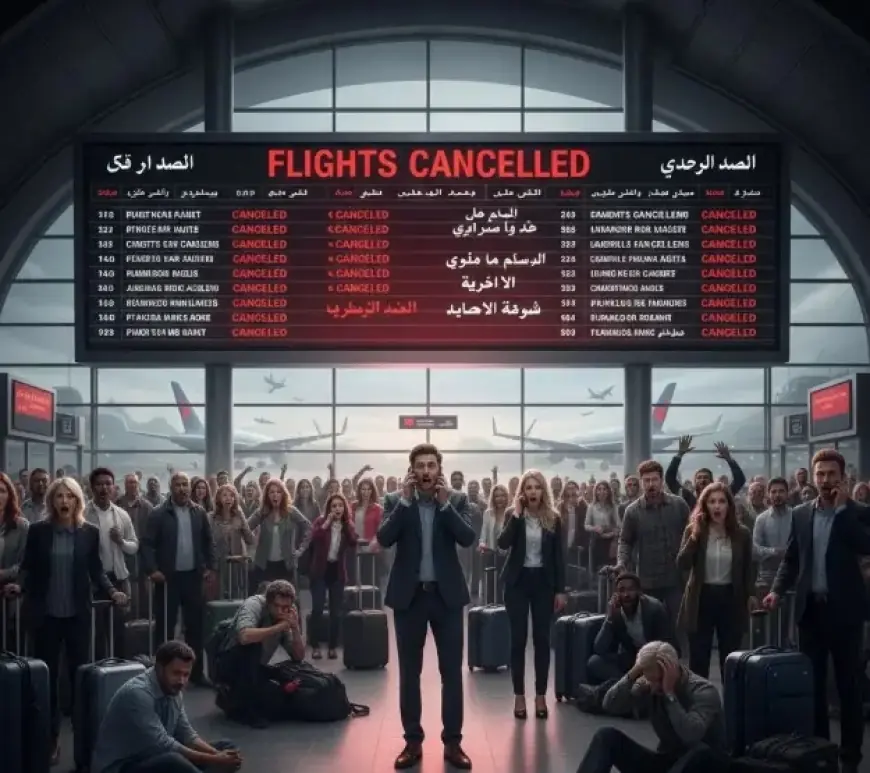
The announcement of live-fire military exercises by Iran has sparked significant disruptions in regional air travel. Set to take place from January 27 to January 29, 2026, these exercises are occurring near the Strait of Hormuz, a vital artery for both maritime and aerial operations.
Live-Fire Drills Impact Regional Airports
The recent Notice to Airmen (NOTAM) issued by Iran has raised alarms regarding air travel safety in the region. The military action poses potential risks for air traffic around key airports, including:
- Khasab Airport (KHS), Oman
- Bandar Abbas International Airport (BND), Iran
- Qeshm International Airport (GSM), Iran
- Dubai International Airport (DXB), UAE
- Sharjah International Airport (SHJ), UAE
Risks for Specific Airports
Airports in close proximity to the planned military exercises are particularly vulnerable:
Khasab Airport (KHS), Oman
Located near the Strait of Hormuz, Khasab Airport serves domestic and international flights. The military drills may lead to significant flight disruptions, including delays and cancellations.
Bandar Abbas International Airport (BND), Iran
This major Iranian airport facilitates many domestic and international routes. With ongoing military operations, Bandar Abbas could experience flight cancellations and rerouting.
Qeshm International Airport (GSM), Iran
Situated nearby, Qeshm Airport is also at risk. While not in the immediate restricted zone, it may face indirect effects such as airspace rerouting.
Dubai International Airport (DXB), UAE
As one of the world’s busiest airports, Dubai International may need to adjust flight paths. This alteration could lead to longer travel durations and increased congestion.
Sharjah International Airport (SHJ), UAE
Similar to Dubai, Sharjah Airport could face disruptions from rerouted flights. Its extensive connections to Iran and other regions make it susceptible to indirect impacts.
Anticipated Travel Disruptions
Travelers in the region are advised to brace for various disruptions due to heightened military tensions:
- Flight Cancellations: Many airlines may cancel routes tied to affected airports.
- Flight Rerouting: Airlines are likely to adjust flight paths, leading to prolonged travel times.
- Delays: Increased air traffic management demands will result in delays both in the air and on the ground.
- Diversions: Aircraft may divert to other airports, causing additional inconvenience.
Ensuring Safety in Air Travel
In response to the live-fire exercises, aviation authorities will likely enhance safety protocols. These may include:
- Increased surveillance of the airspace.
- Real-time monitoring of military activities.
- Updated advisories from international aviation organizations such as ICAO.
Travel Advisory for Passengers
Travelers should remain vigilant about potential flight changes. Here are essential tips:
- Check with airlines for the latest flight status.
- Consider alternative airports as options.
- Stay informed on aviation advisories from local authorities.
Monitoring these developments is crucial for safe and efficient travel amidst the ongoing military activities near the Strait of Hormuz. Passengers are encouraged to keep up with real-time updates to navigate these disruptions effectively.