

























Michael Bloomberg’s $3B Boosts Climate Philanthropy’s Strategic Impact, Experts Say

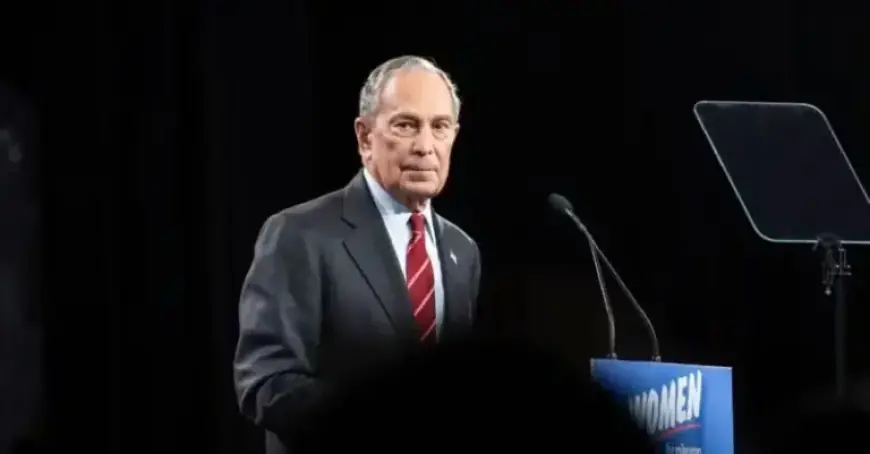
Billionaire Michael Bloomberg has committed over $3 billion to climate-related initiatives in the past ten years. This substantial contribution positions him among the world’s leading private donors in the fight against climate change.
Latest Commitment and Strategic Impact
Bloomberg’s recent donation of nearly $270 million is linked to projects surrounding the UN COP30 summit. This level of funding comes at a critical time when international climate financing is increasingly under strain.
His contributions are organized through Bloomberg Philanthropies and personal donations. Bloomberg’s involvement has become even more crucial as the United States, under the administration of Donald Trump, has recently withdrawn from global climate agreements.
U.S. Climate Policy Changes
Since returning to office in January 2025, Trump has enacted various policies undermining climate efforts, rejecting the scientific consensus on climate change. His administration’s withdrawal from the Paris Agreement exemplifies this shift in focus away from global cooperation on climate issues.
This retreat from climate engagements creates a significant gap in funding. In response, private donations from figures like Bloomberg may play a vital role in sustaining environmental initiatives.
Responses from Other Philanthropists
- The Rockefeller Foundation plans to invest $1 billion over five years in climate initiatives.
- Bill Gates has called for a reevaluation of global spending between vaccines and climate action.
- Jeff Bezos’s Earth Fund allowed an $18 million grant to expire, reflecting a more cautious approach.
- Sir Christopher Hohn’s foundation has ceased funding U.S. green groups.
Bloomberg’s Strategic Approach to Climate Philanthropy
Bloomberg focuses on key issues, including air pollution, methane emissions from gas production, coal usage, and ocean protection. He believes that environmental action is compatible with economic growth, often stating that economic development and climate protection can coexist.
The Importance of Strategic Philanthropy
Francesco Grosoli, CEO of CMB Monaco, argues that climate change should be viewed as a core financial risk. He emphasizes that billionaires can act quickly to support innovative technologies and infrastructure, which governmental funding may lag behind.
Grosoli highlights that effective philanthropy requires a strategic approach, stressing that governance, long-term commitment, and focus on concrete outcomes are essential for success.
Entrepreneurial Mindset in Climate Giving
Wealth managers, like Sebastian Goeres from LGT Middle East, advocate for the idea that wealthy families can adopt an entrepreneurial attitude toward climate philanthropy. This involves aligning investments with credible net-zero goals and using their resources to turn climate challenges into innovative opportunities.
Conclusion
As the U.S. government steps back from climate negotiations, the role of private philanthropy is becoming more critical. Michael Bloomberg’s continuous support for climate initiatives showcases how targeted funding can drive significant environmental progress.